



Commercial Concrete Repair
Spot repair of commercial slabs across North Carolina — panel replacement, joint sealant refresh, spalling repair, apron rebuilds at truck approaches. After-hours and quick-set options to minimize downtime. Zero deposit, licensed and insured, certificate of insurance on file before mobilization.
Get your free quote
We respond in less than 2 hours.
Recent Commercial Concrete Repair Projects
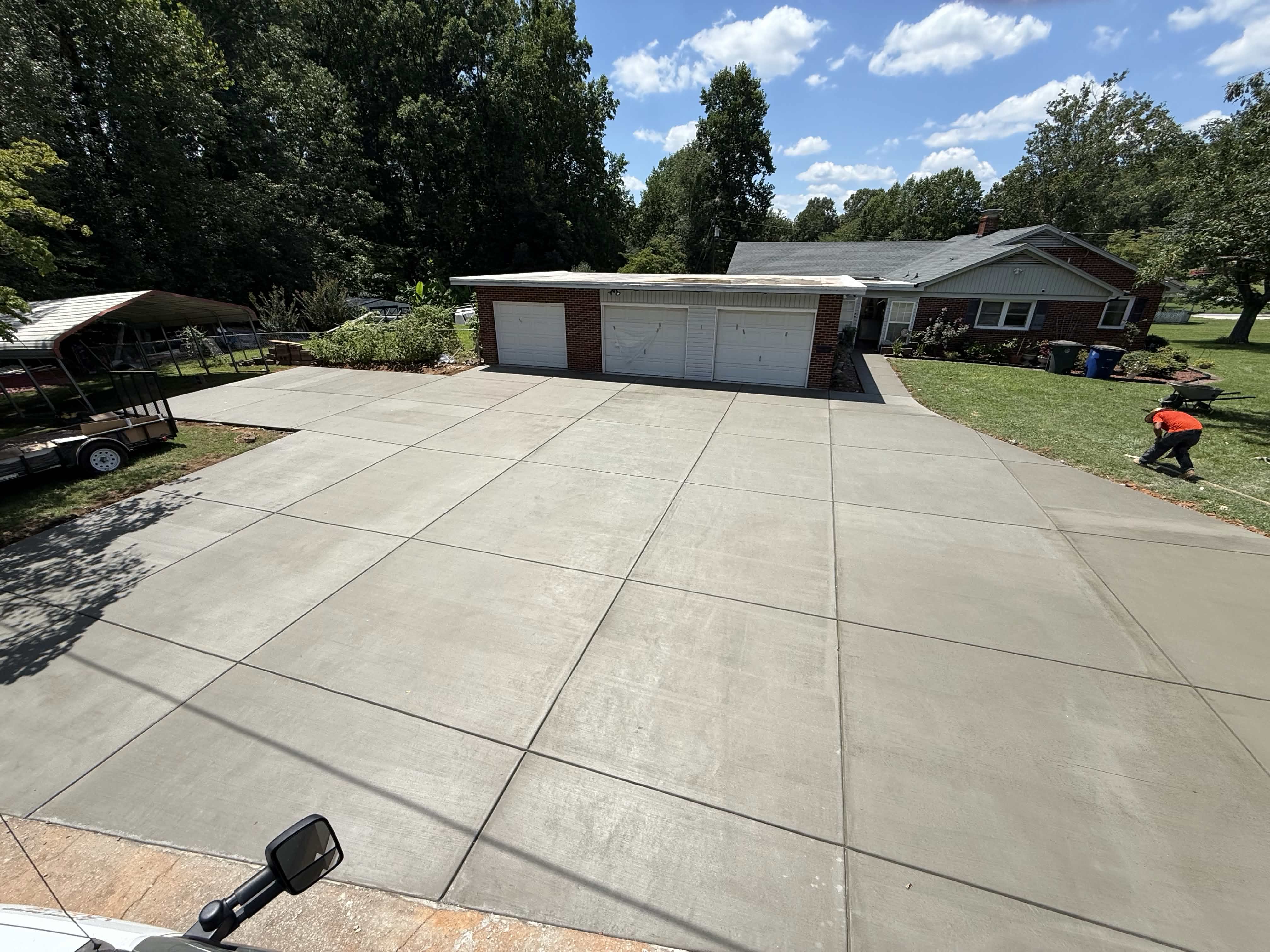
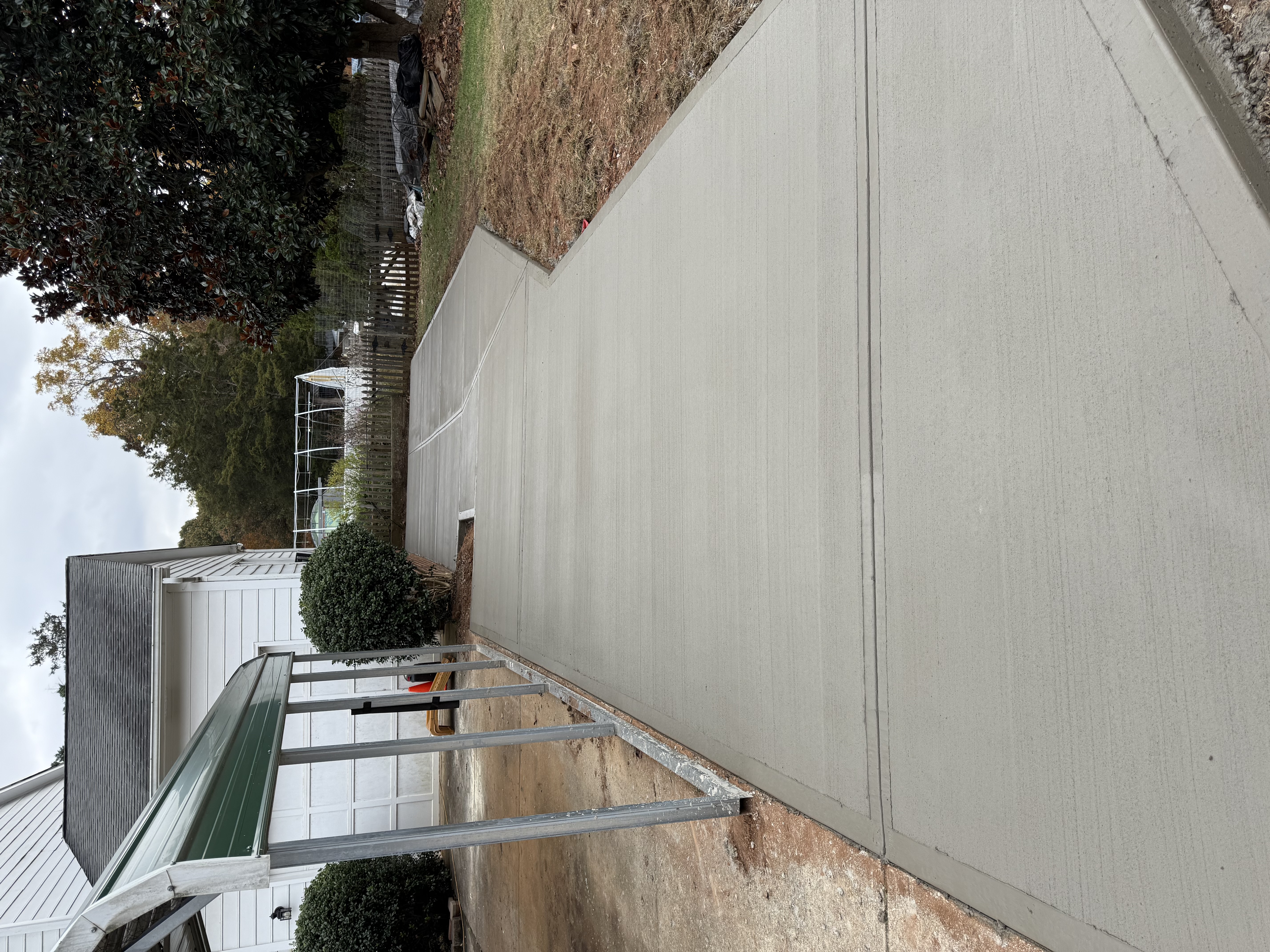
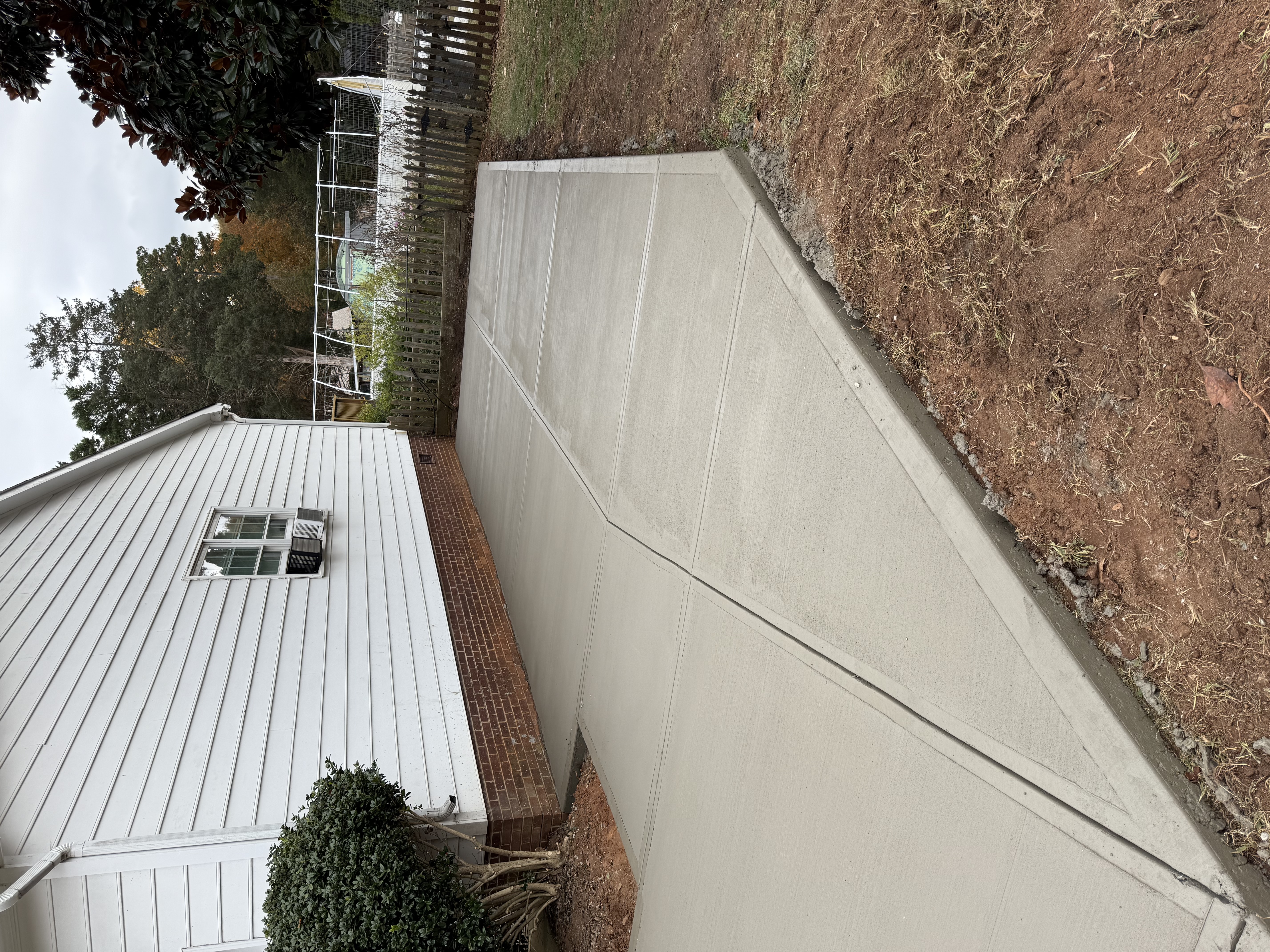
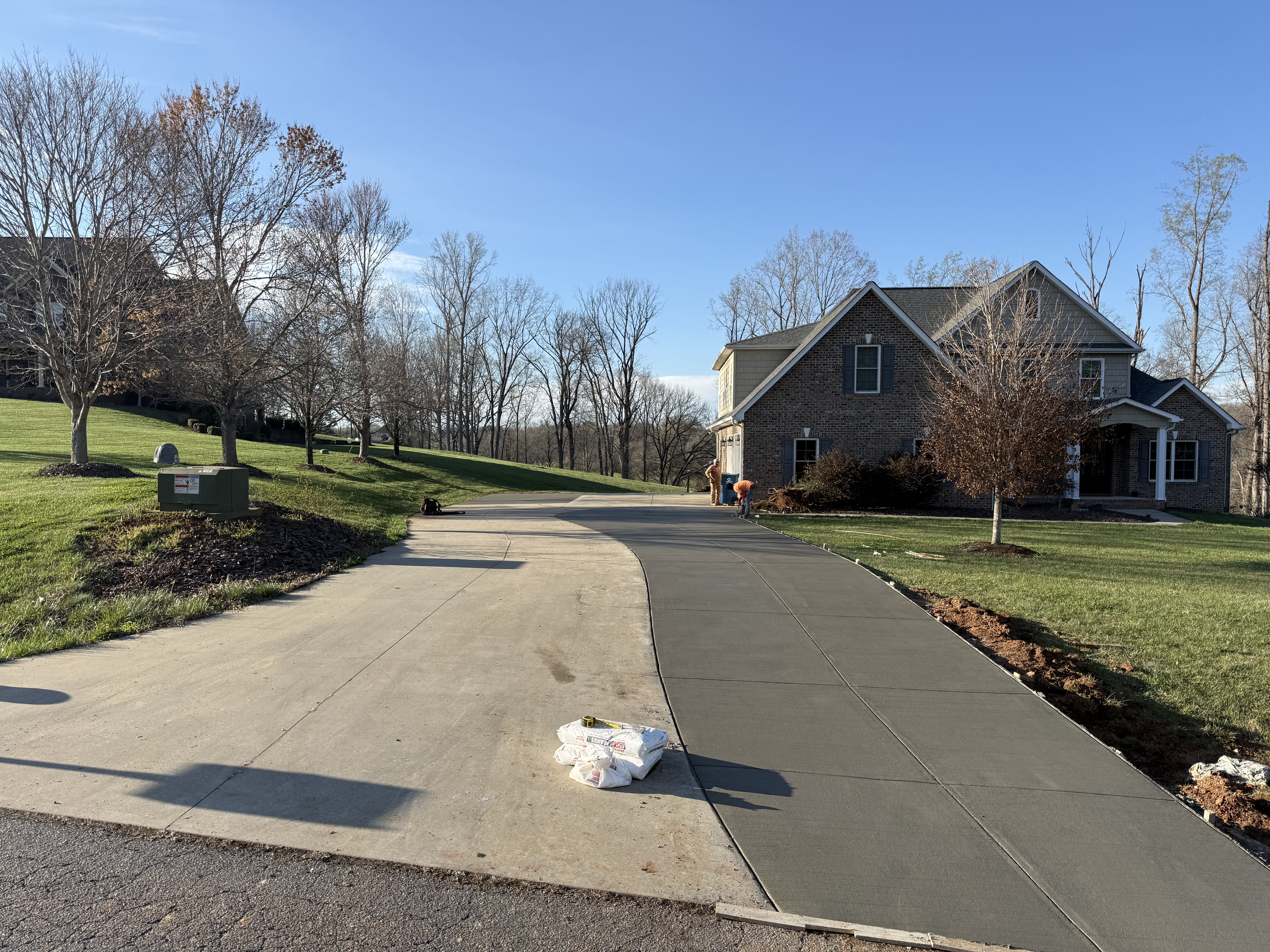
Real customer jobs we've poured. Swipe through and picture yours next.
Commercial Concrete Repair
Recent Job
Commercial Concrete Repair
Recent Job
Commercial Concrete Repair
Recent Job
Commercial Concrete Repair
Recent Job
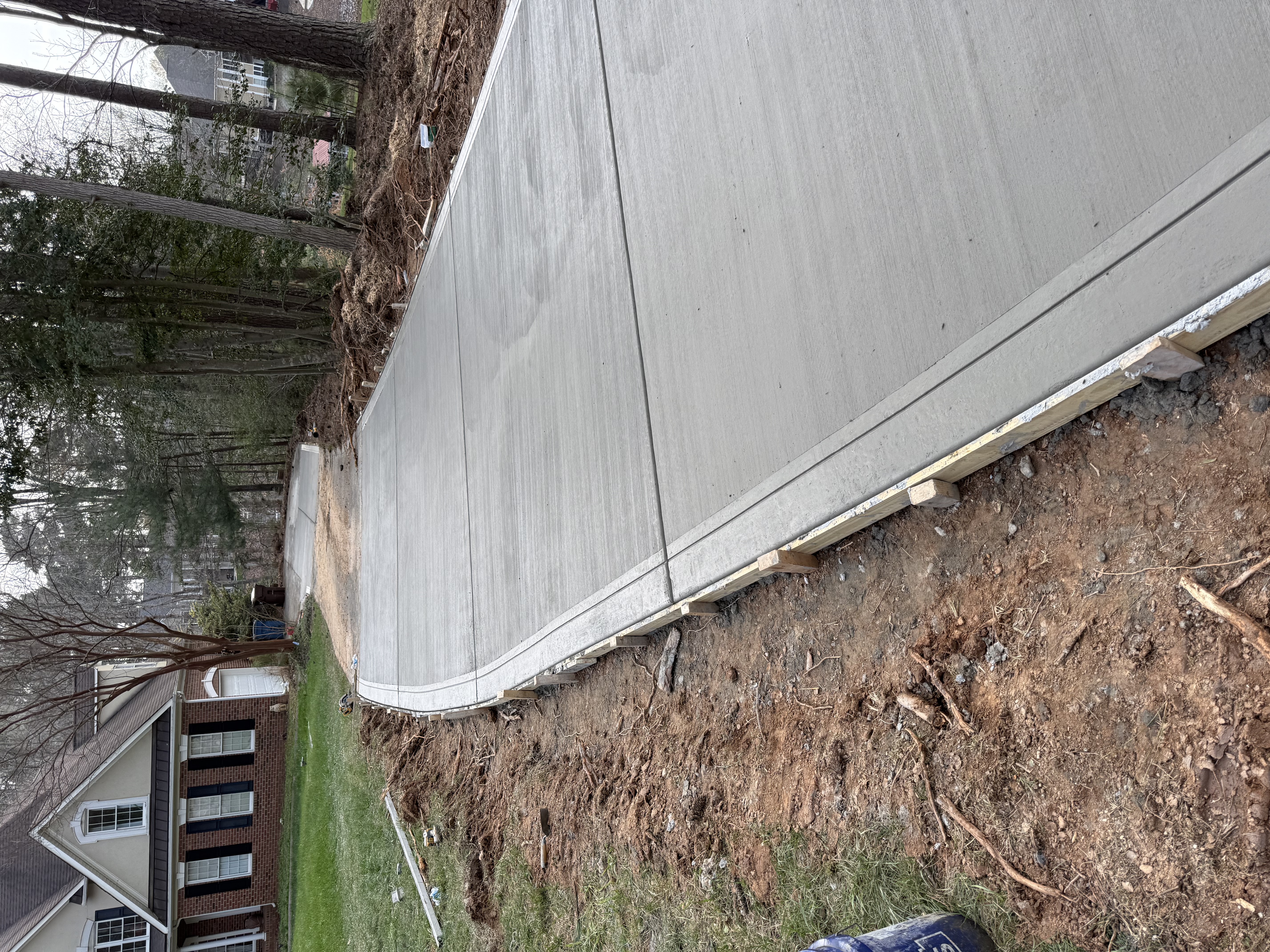
Commercial Concrete Repair
Recent Job
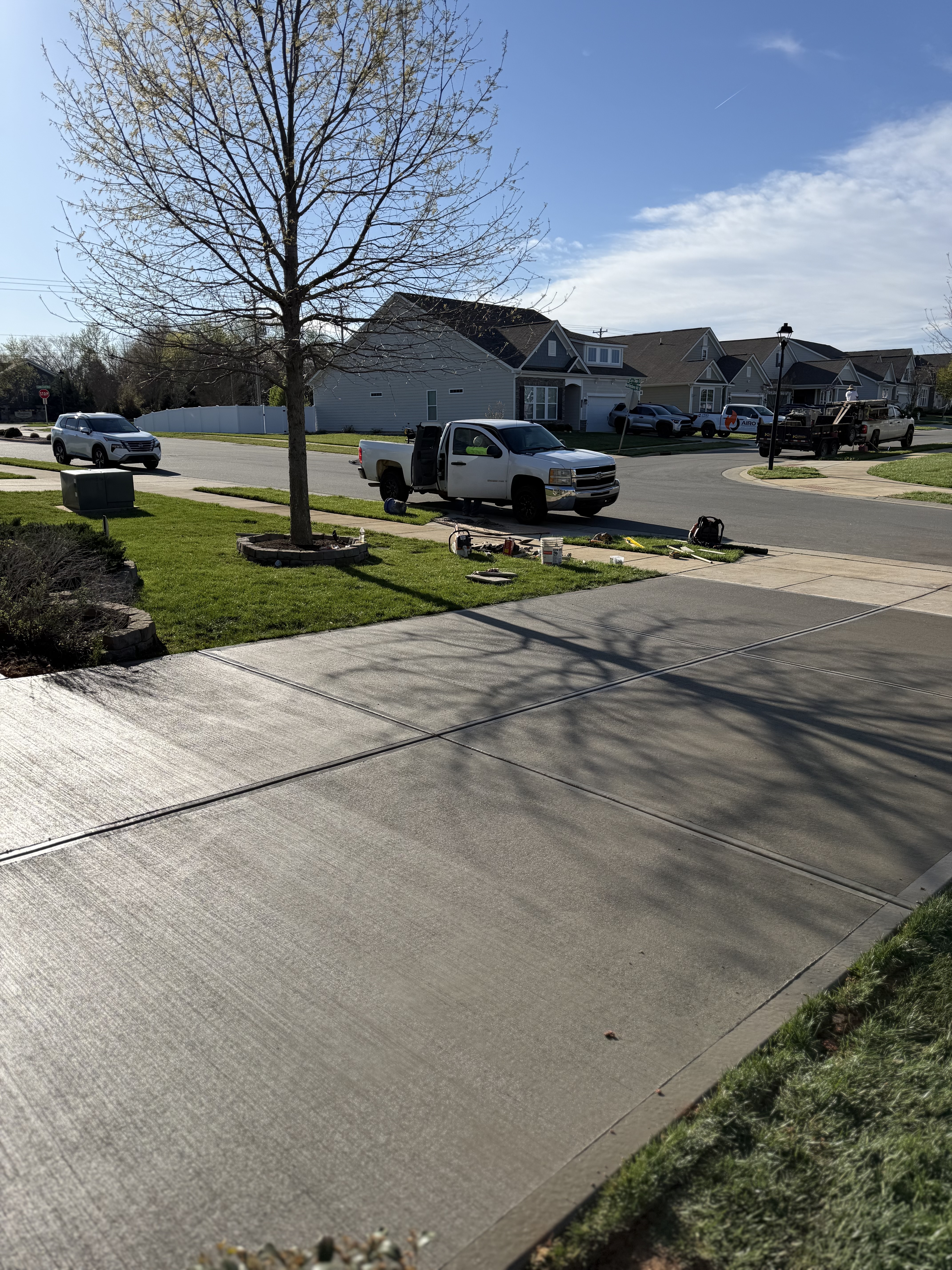
Commercial Concrete Repair
Recent Job
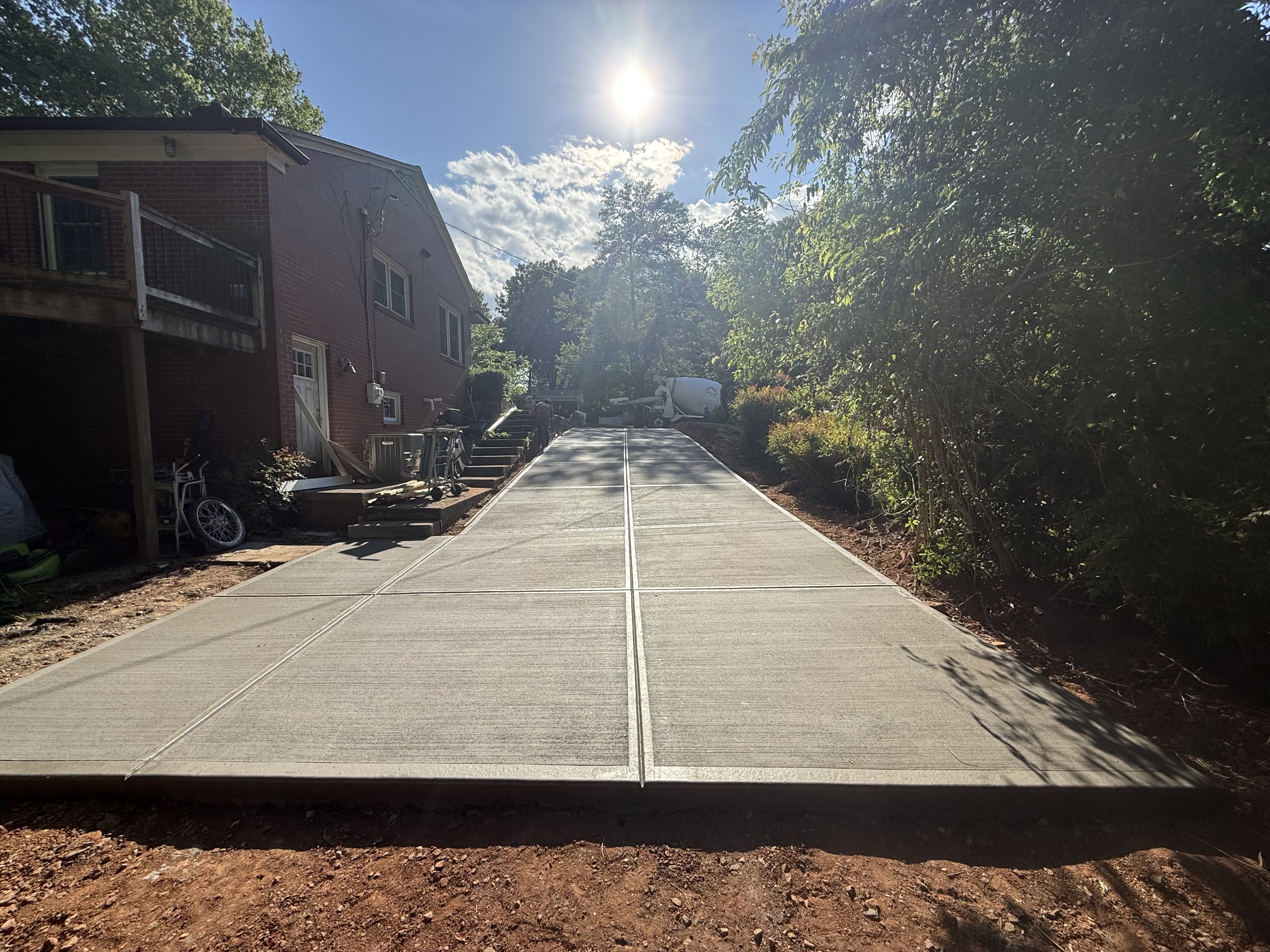
Commercial Concrete Repair
Recent Job
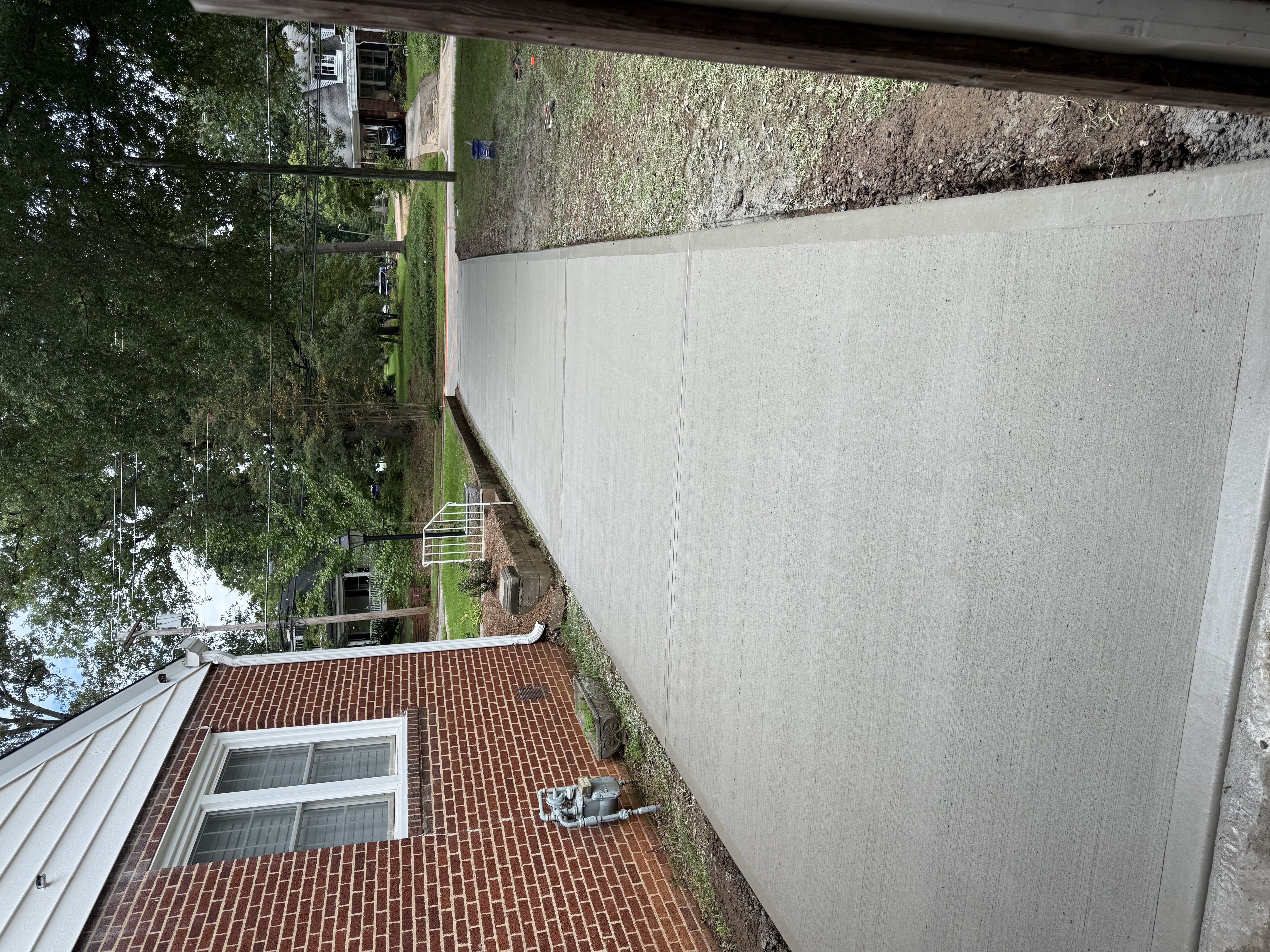
Commercial Concrete Repair
Recent Job
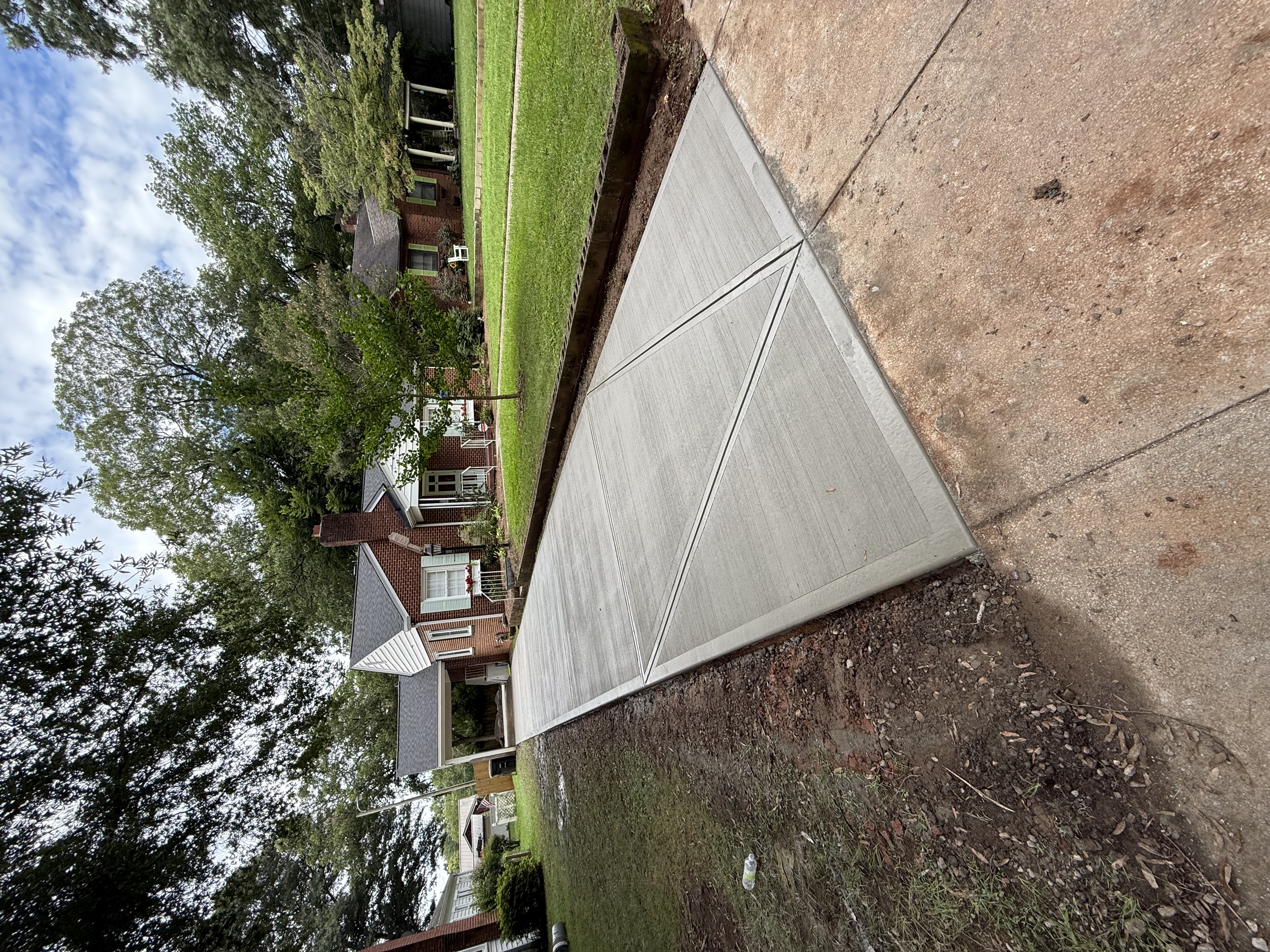
Commercial Concrete Repair
Recent Job
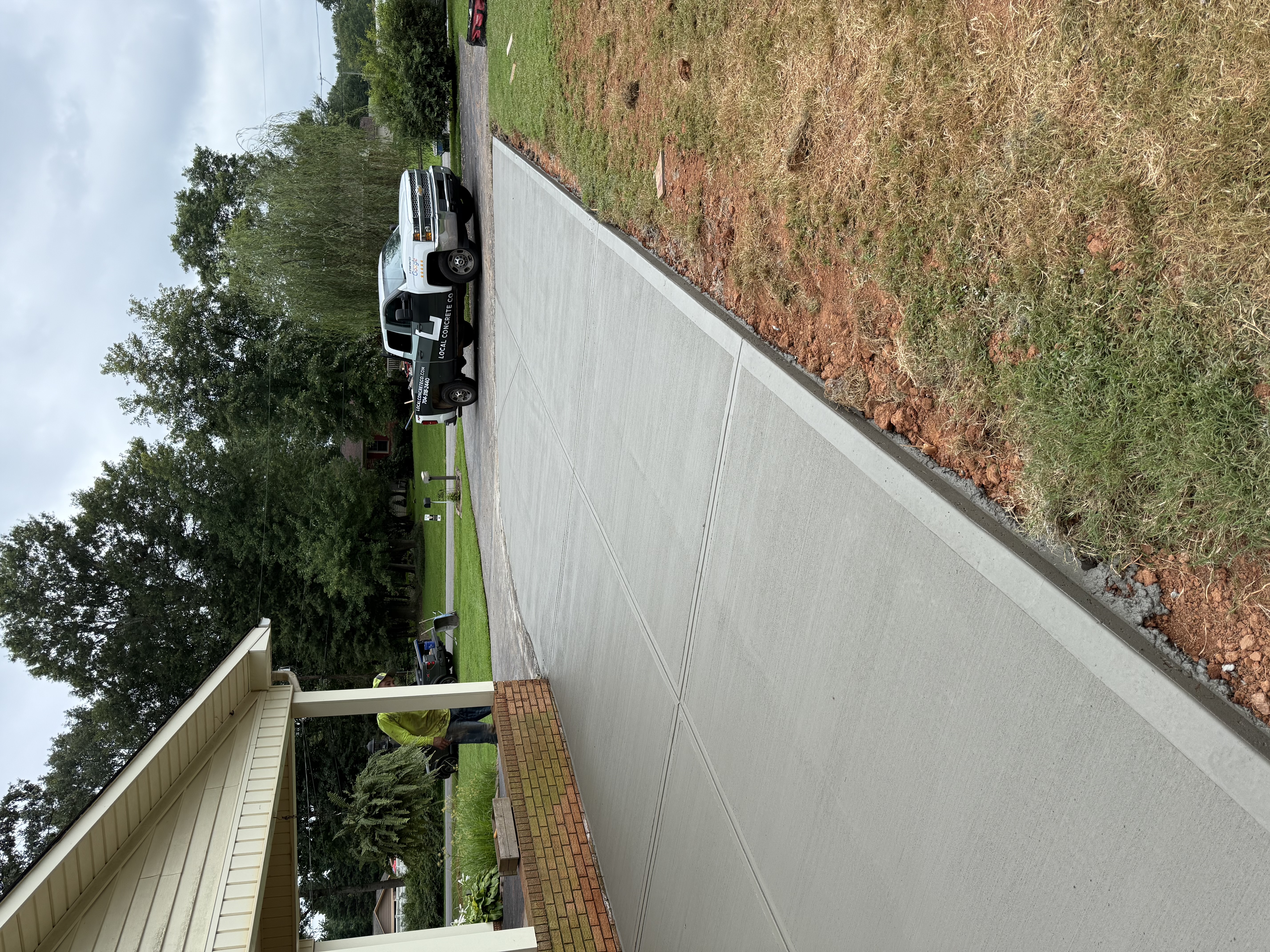
Commercial Concrete Repair
Recent Job
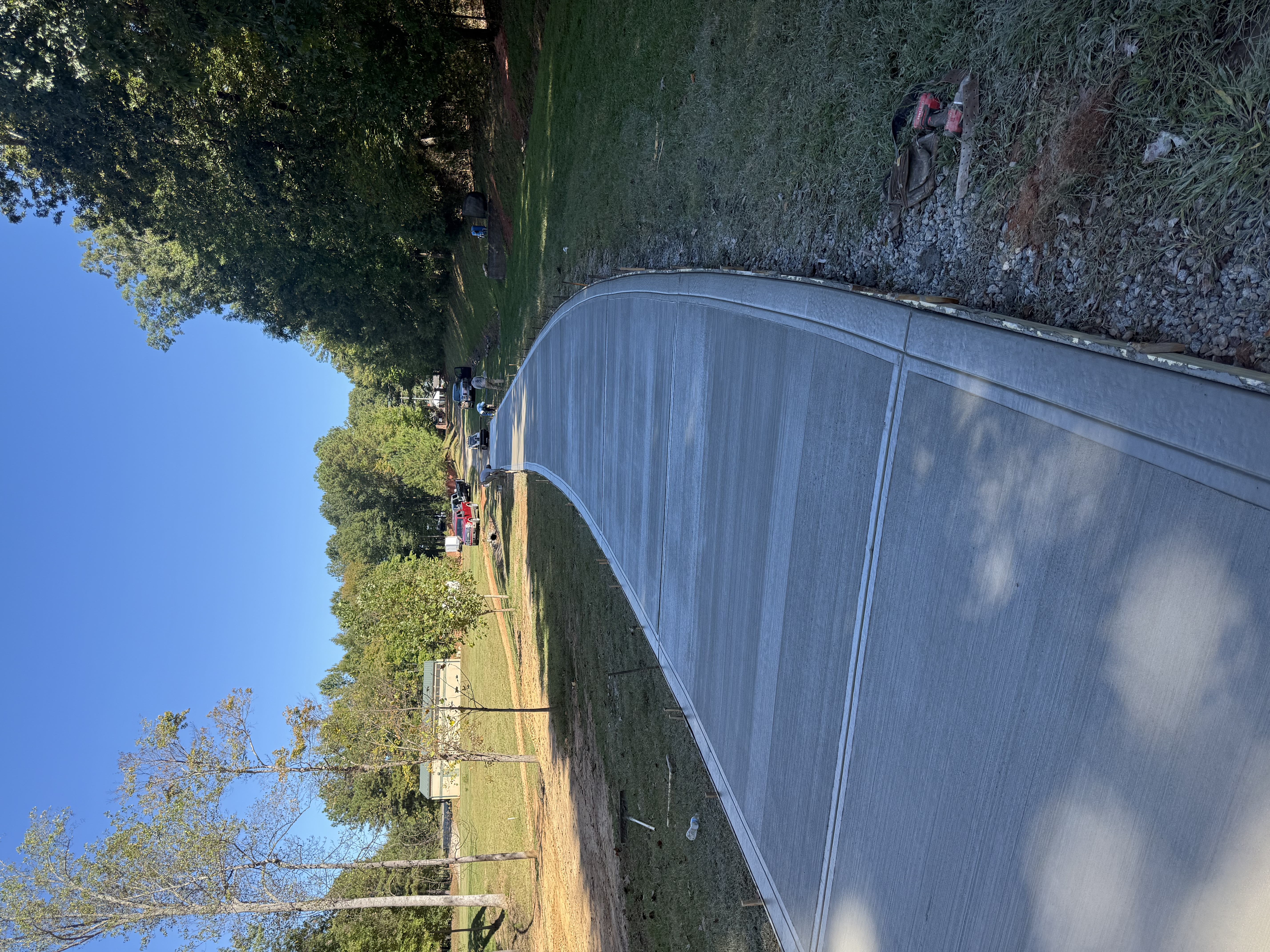
Commercial Concrete Repair
Recent Job
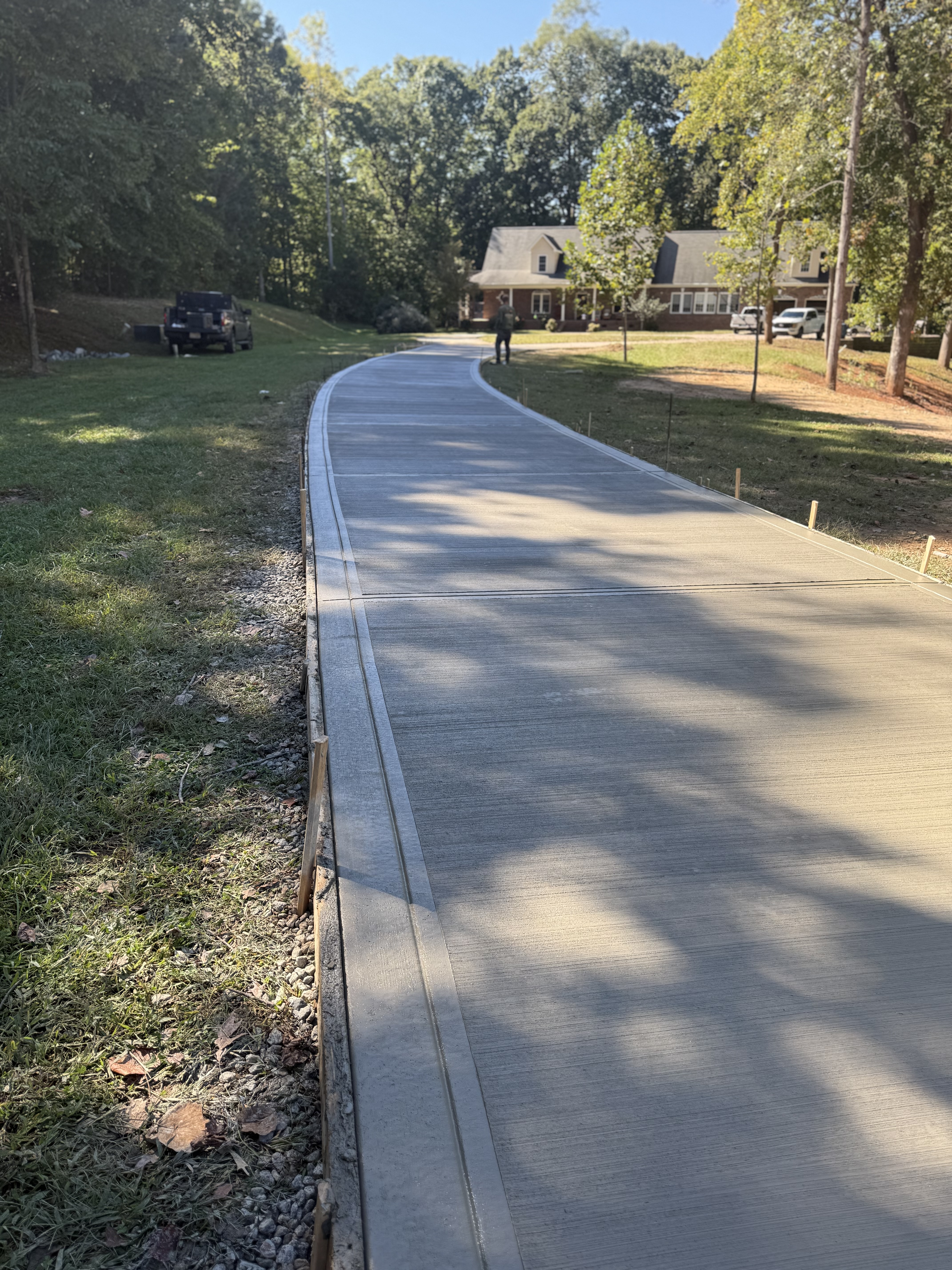
Commercial Concrete Repair
Recent Job
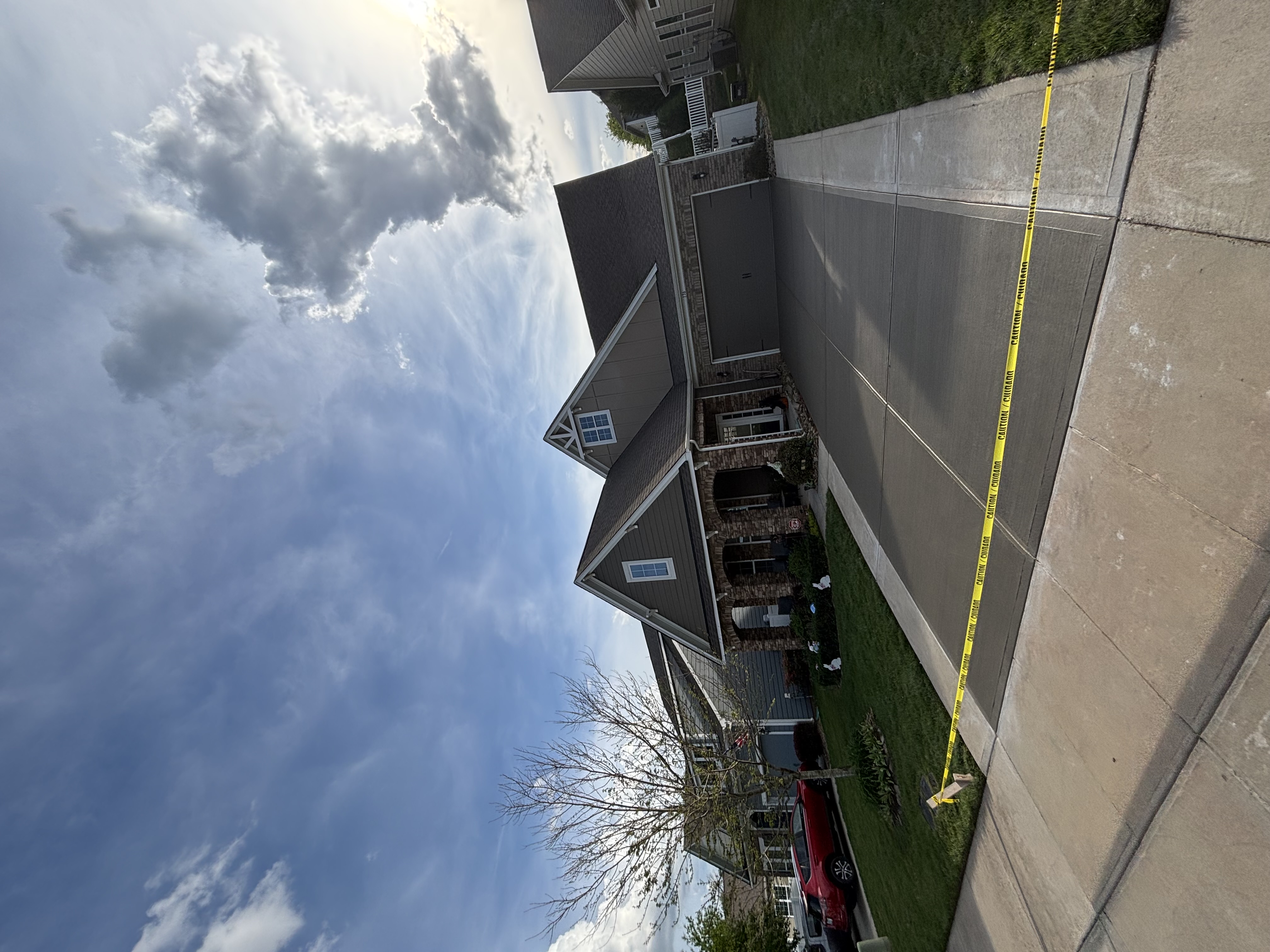
Commercial Concrete Repair
Recent Job
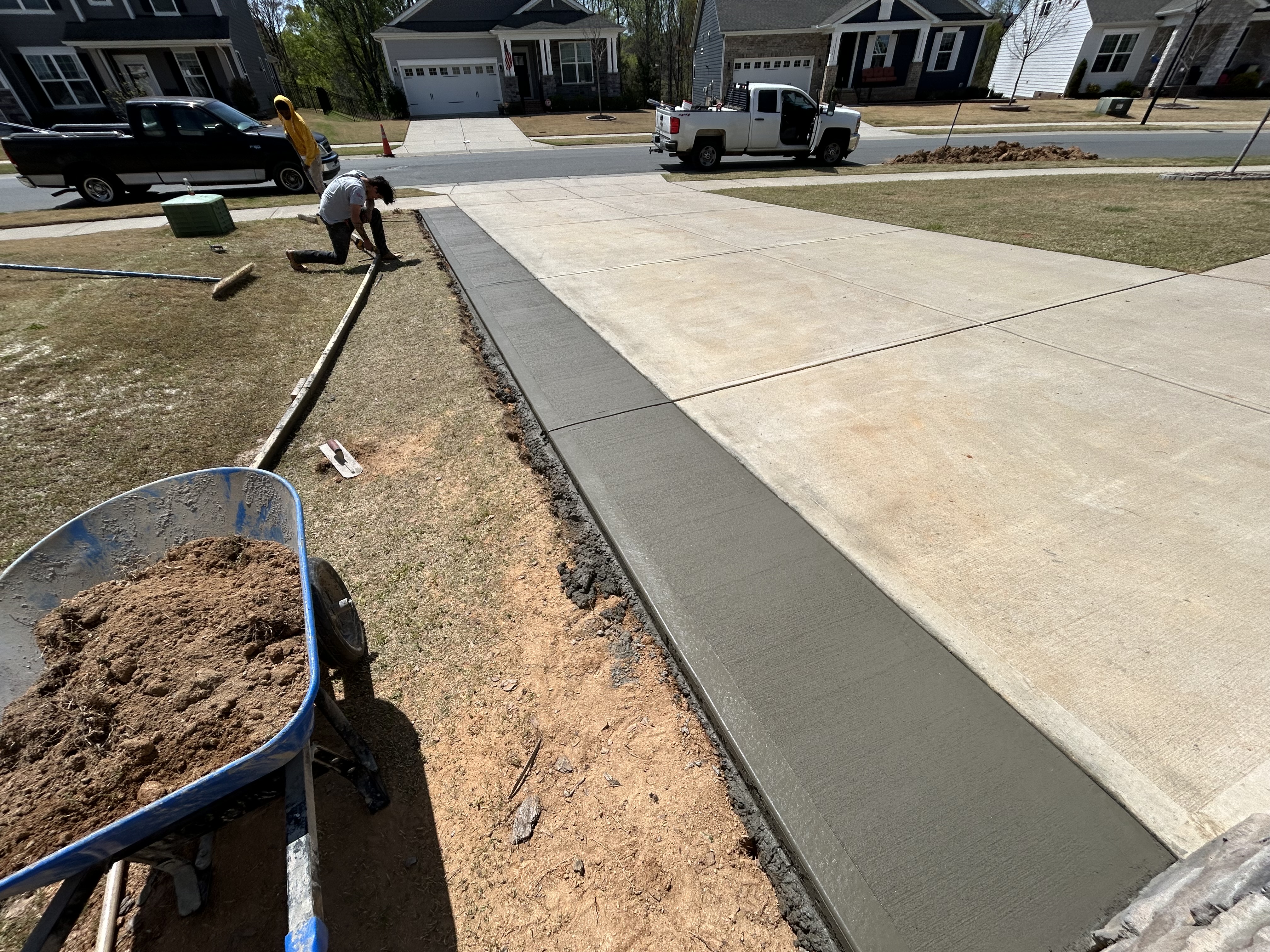
Commercial Concrete Repair
Recent Job
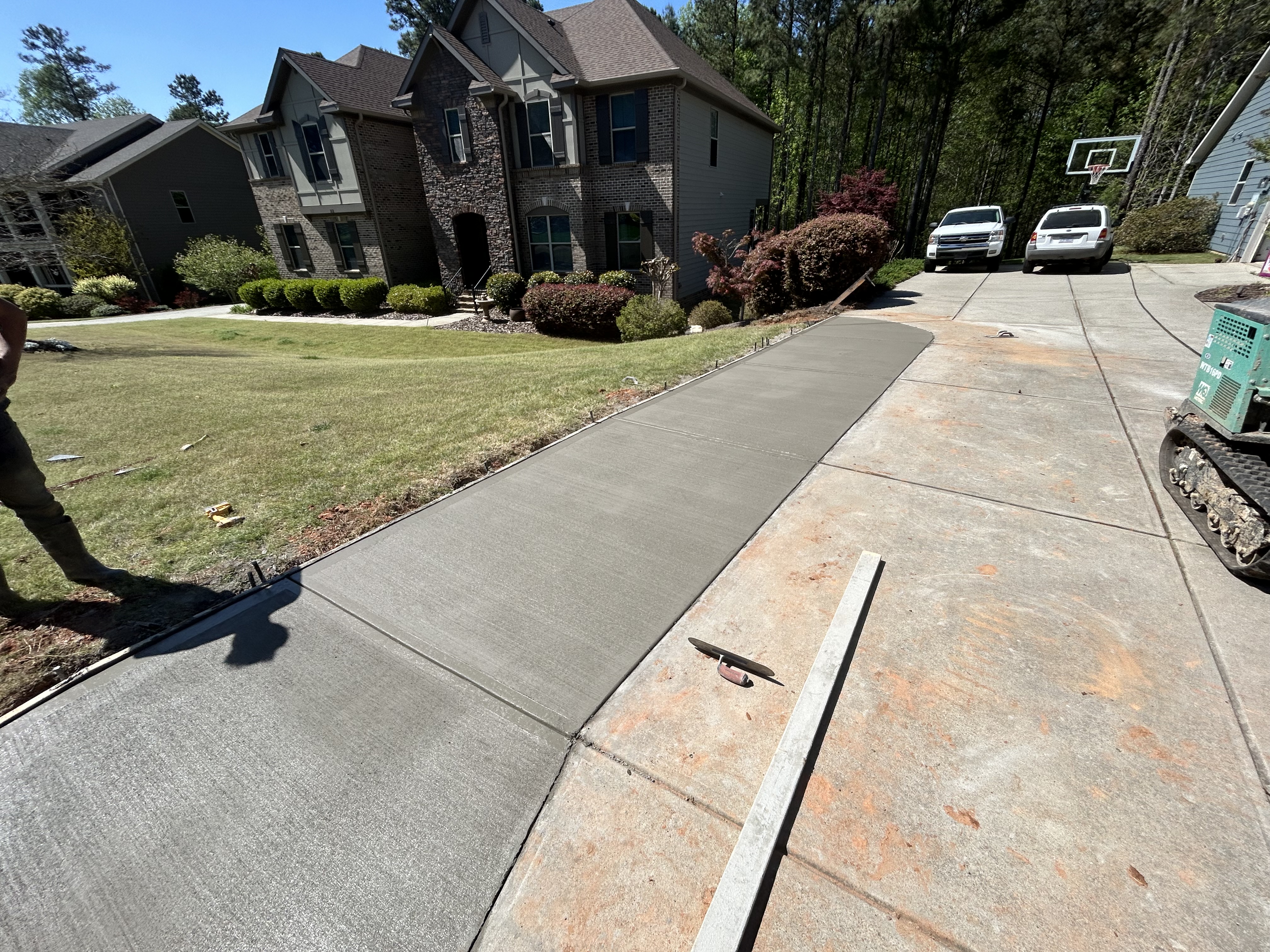
Commercial Concrete Repair
Recent Job
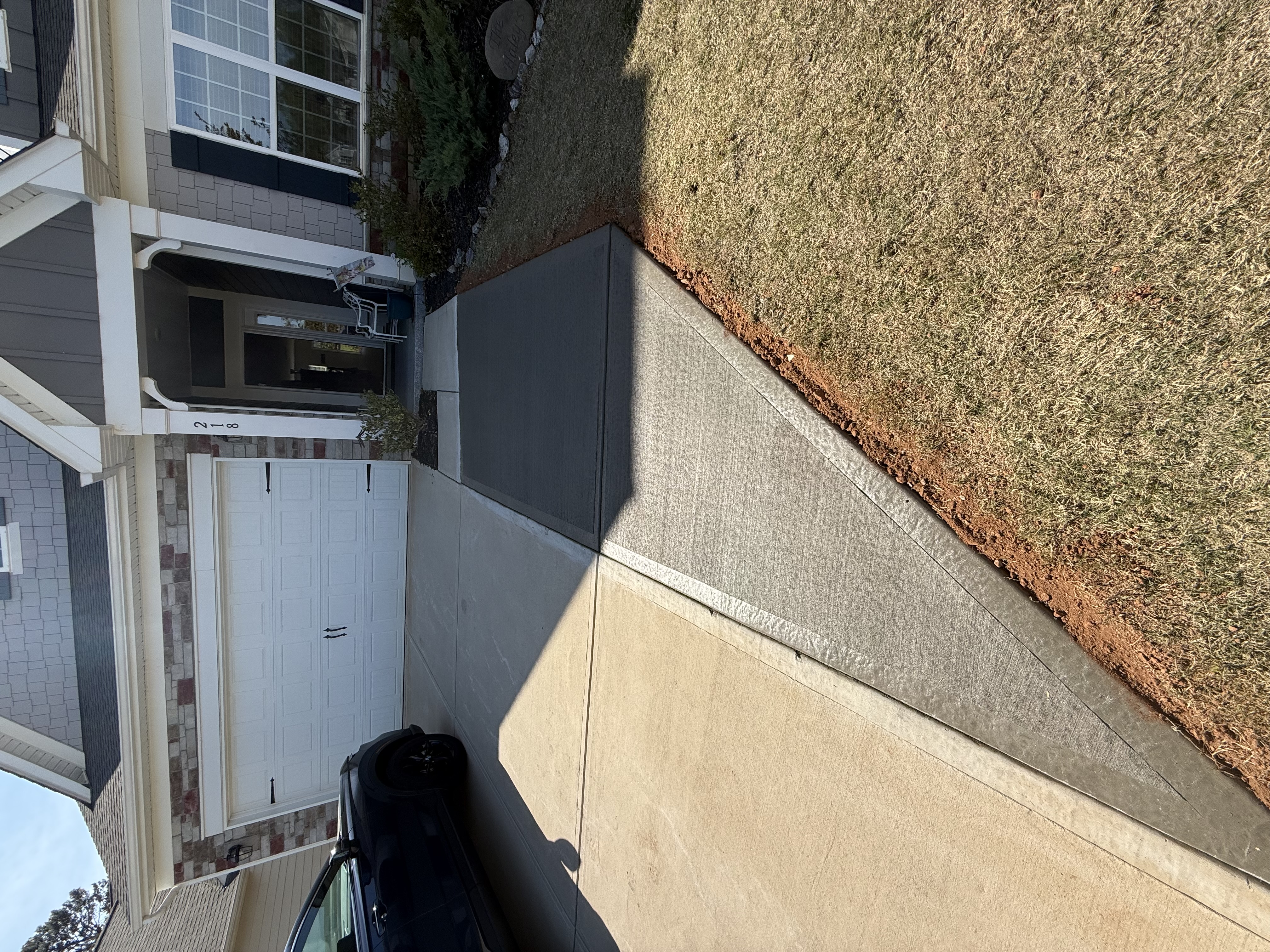
Commercial Concrete Repair
Recent Job
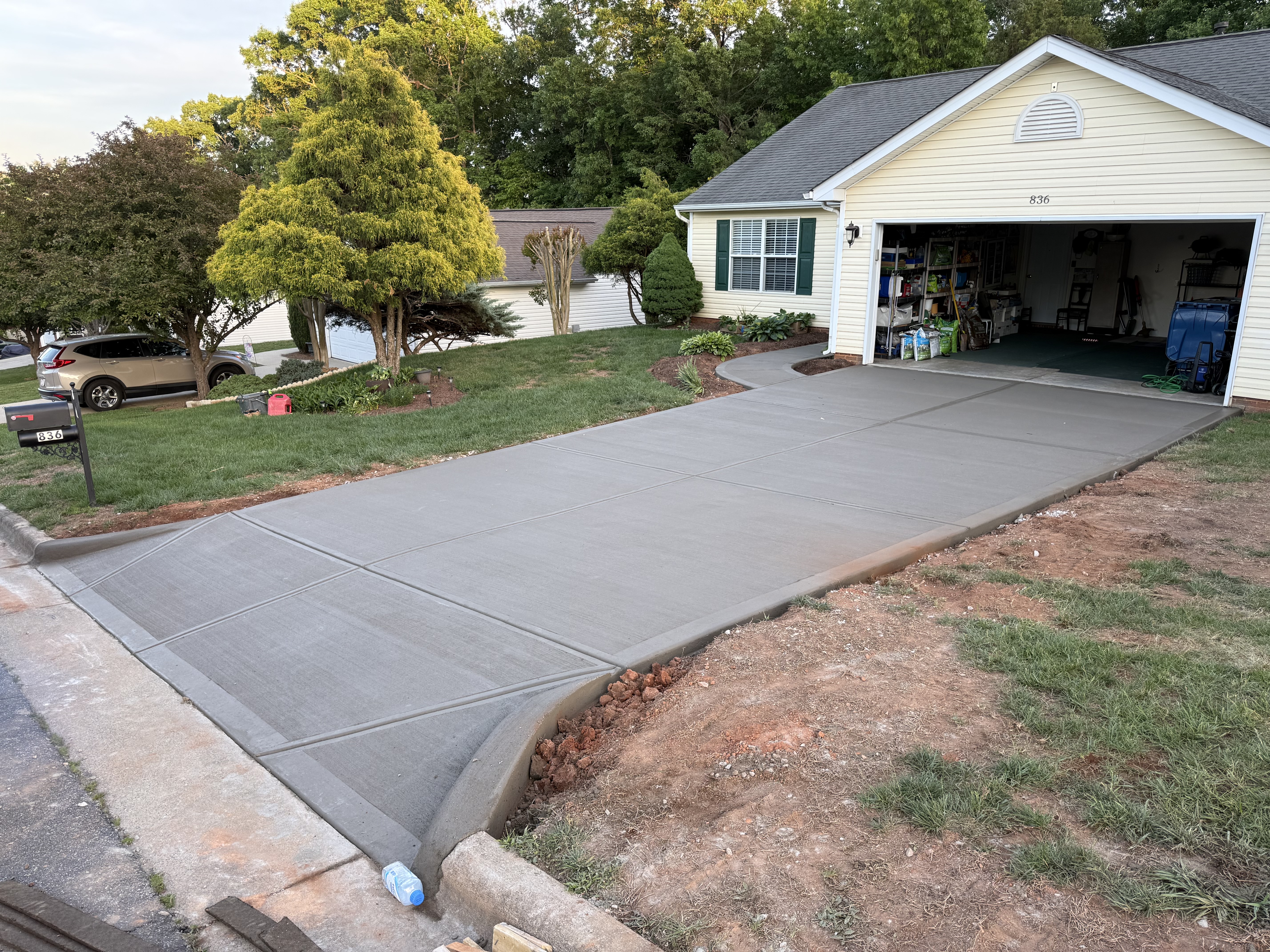
Commercial Concrete Repair
Recent Job
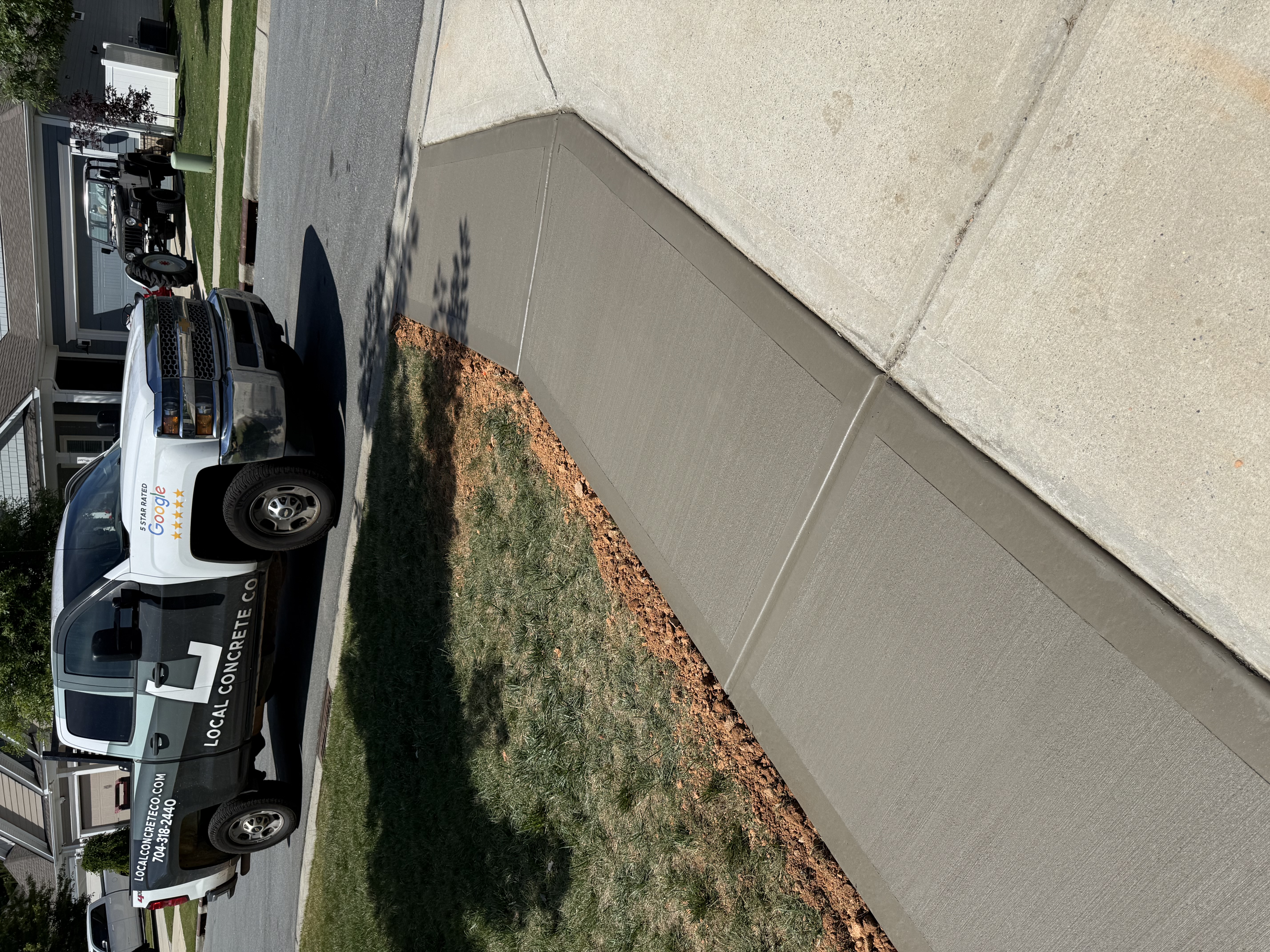
Commercial Concrete Repair
Recent Job
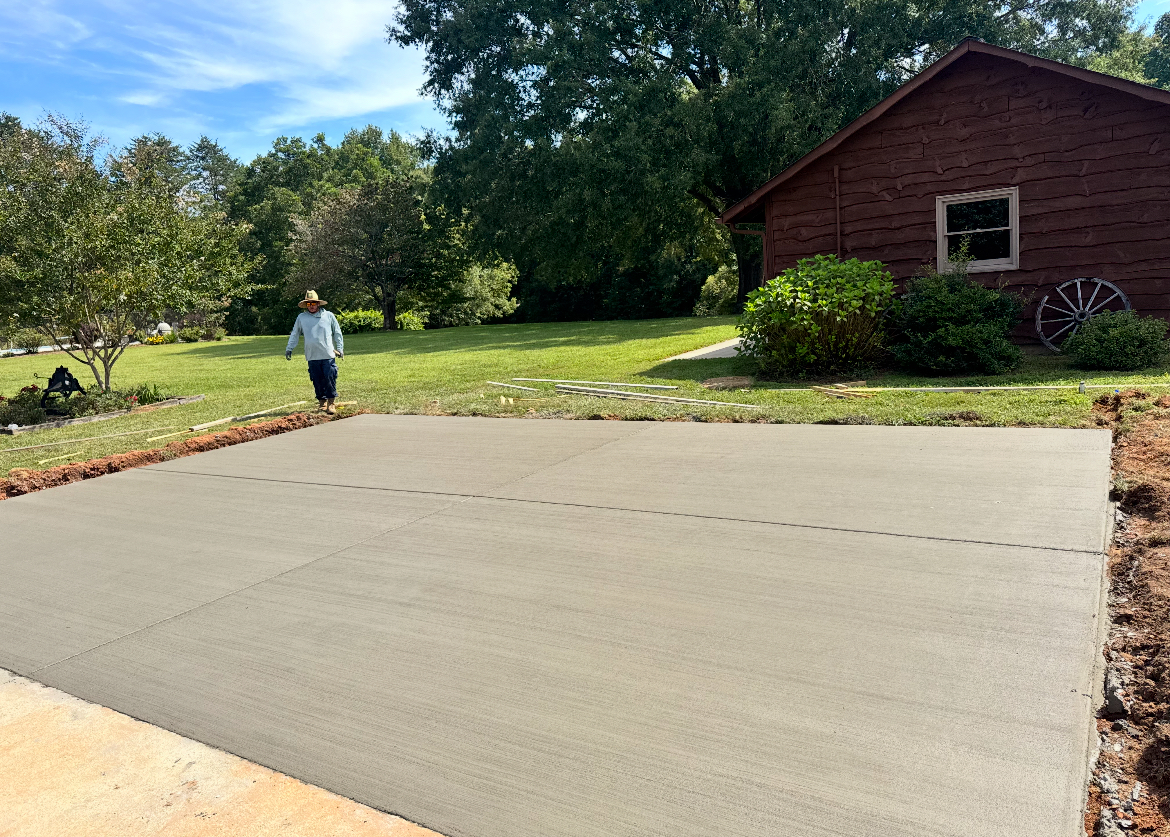
Commercial Concrete Repair
Recent Job
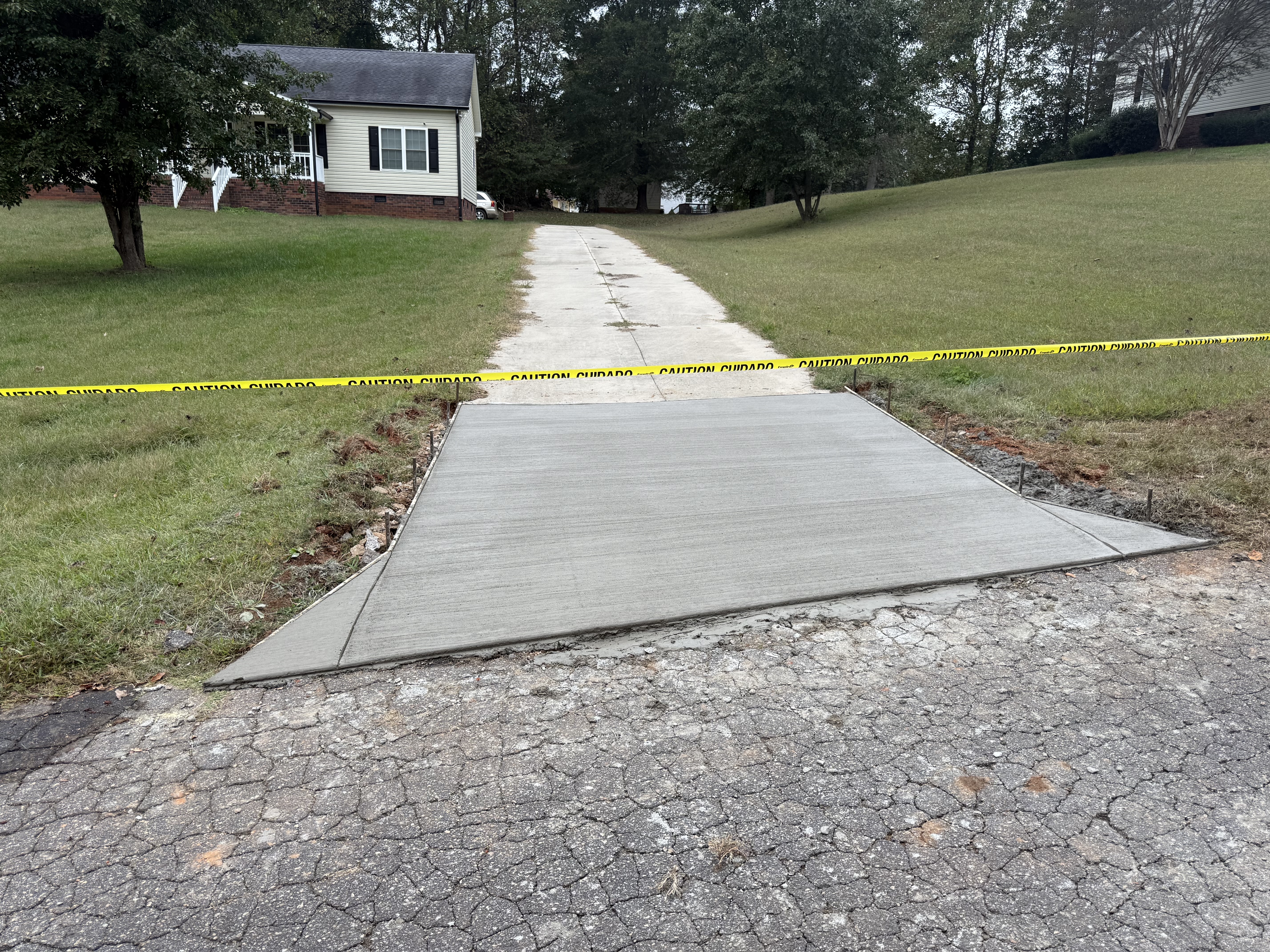
Commercial Concrete Repair
Recent Job
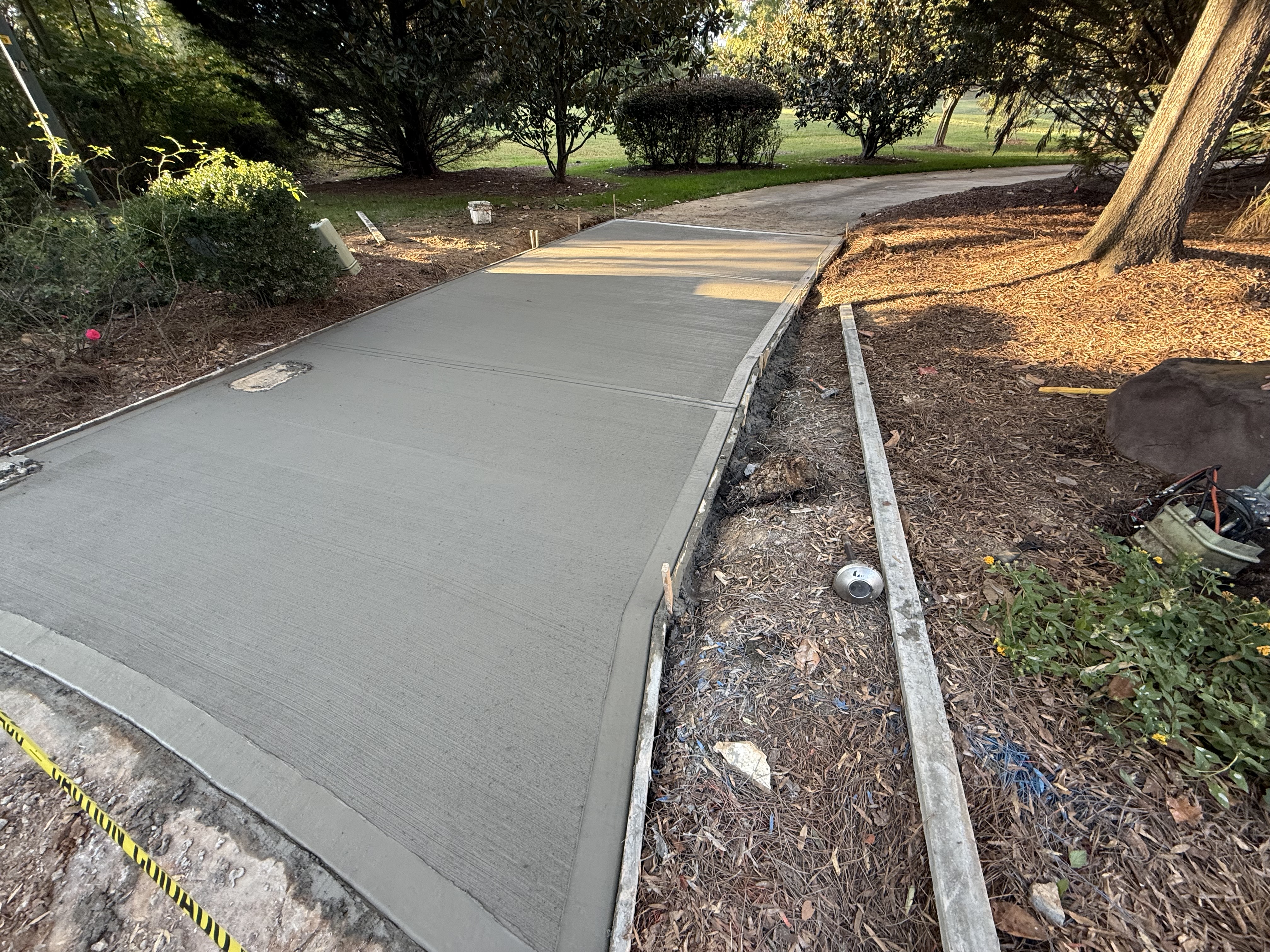
Commercial Concrete Repair
Recent Job
Real Projects We've Completed
A cross-section of our real project work — driveways, patios, porches, pool decks. Every pair below is a real Local Concrete Contractor install.
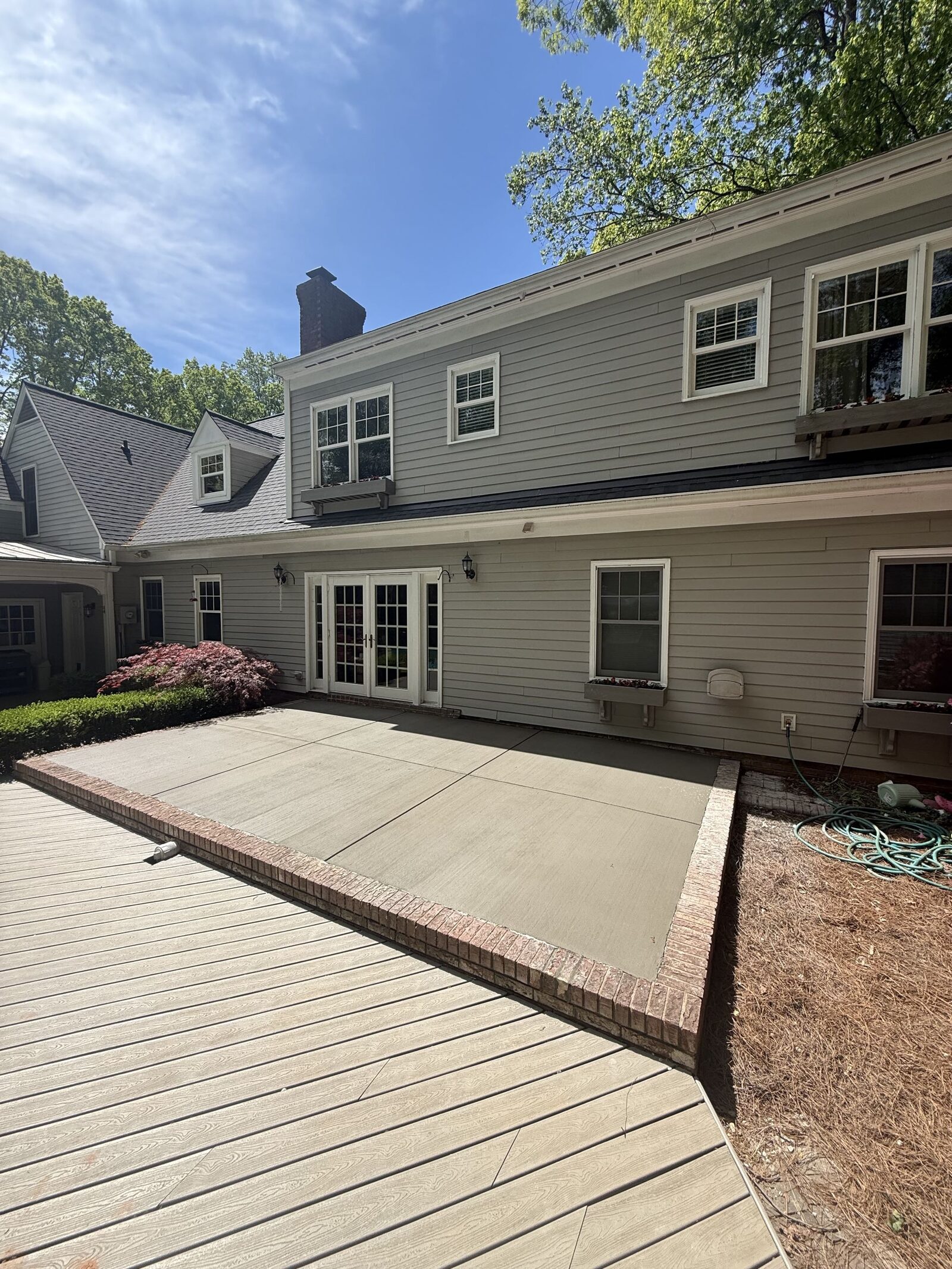

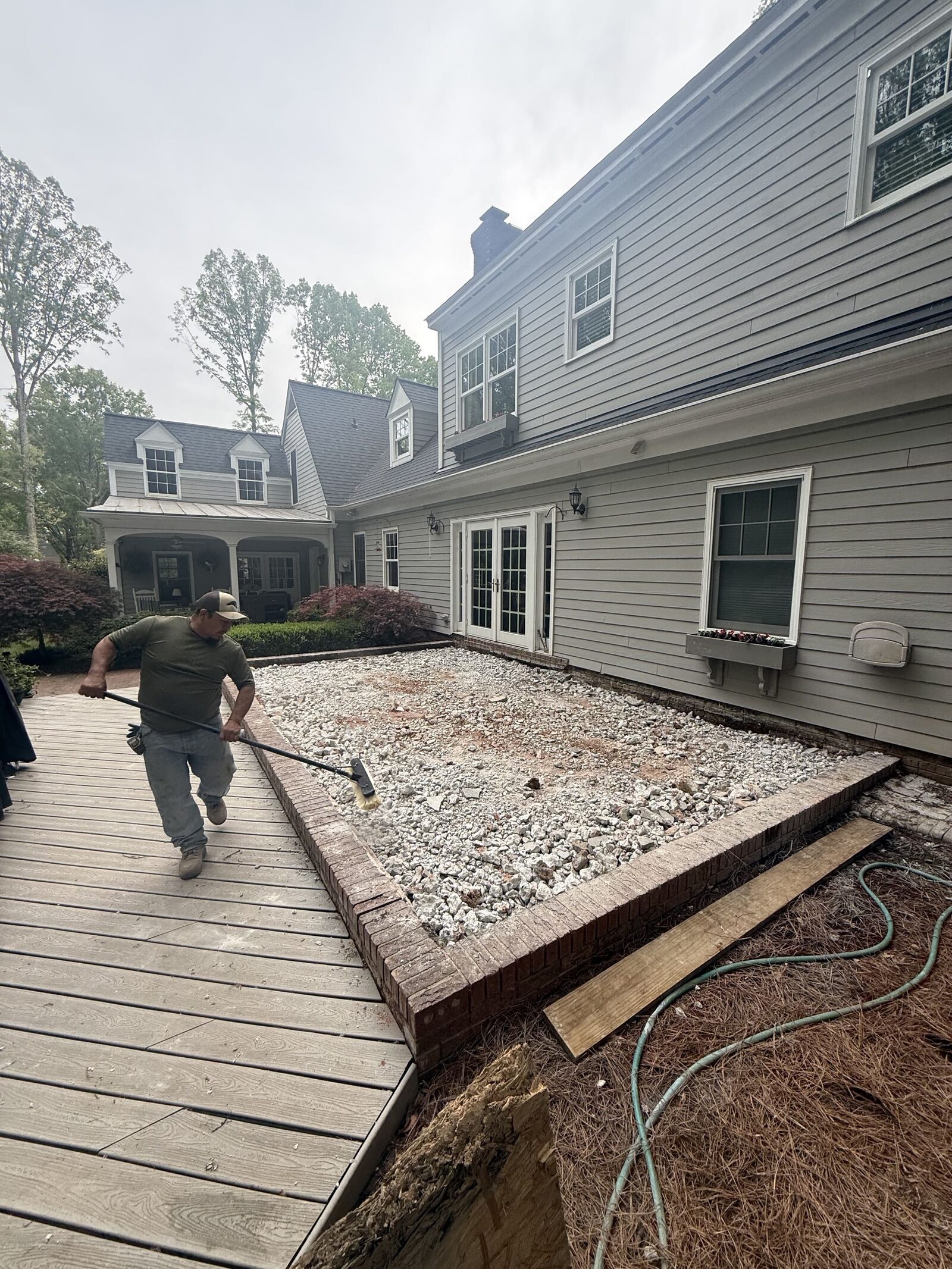
Backyard Patio
Full tear-out, new pour with brick-border detail
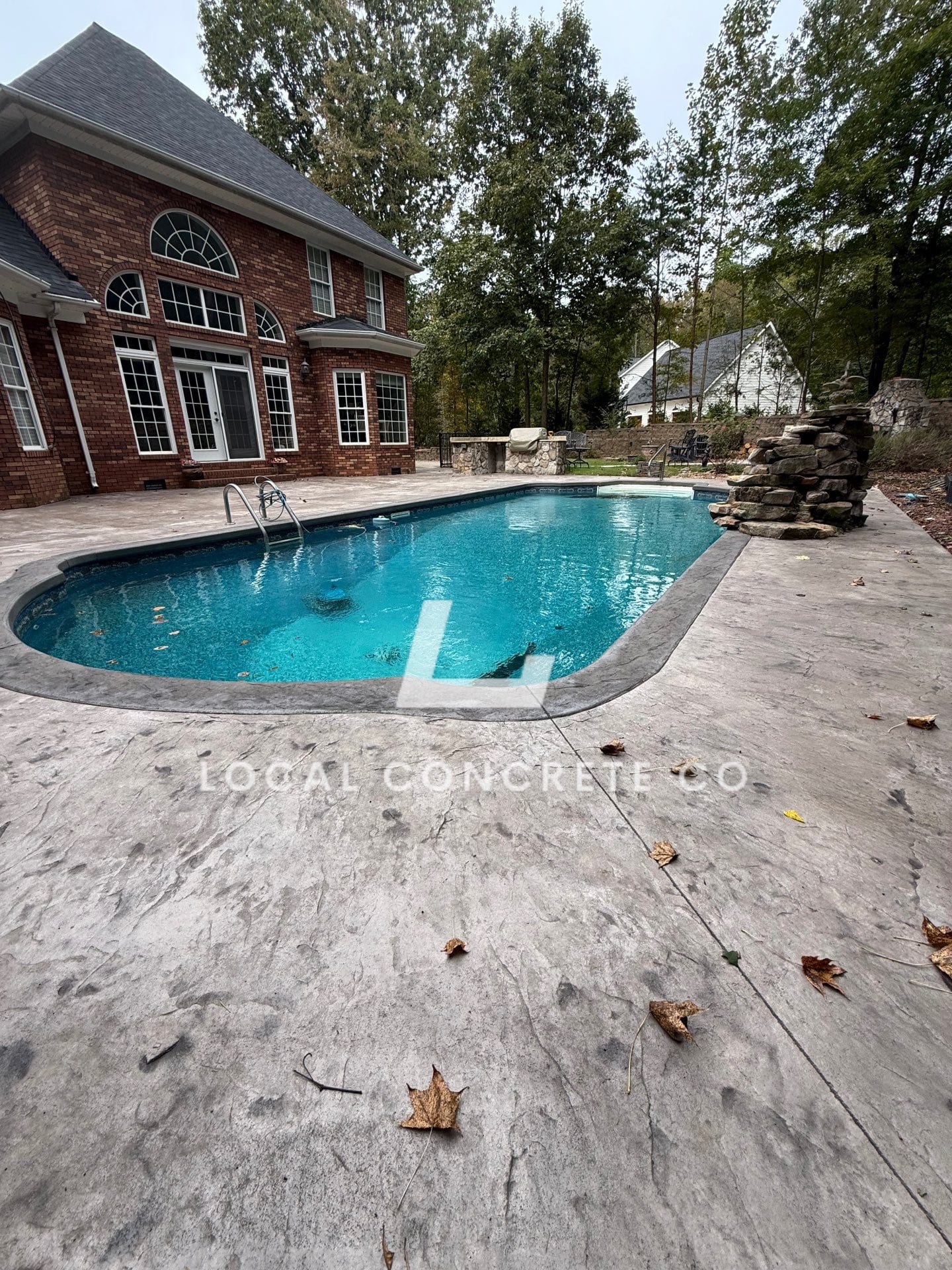
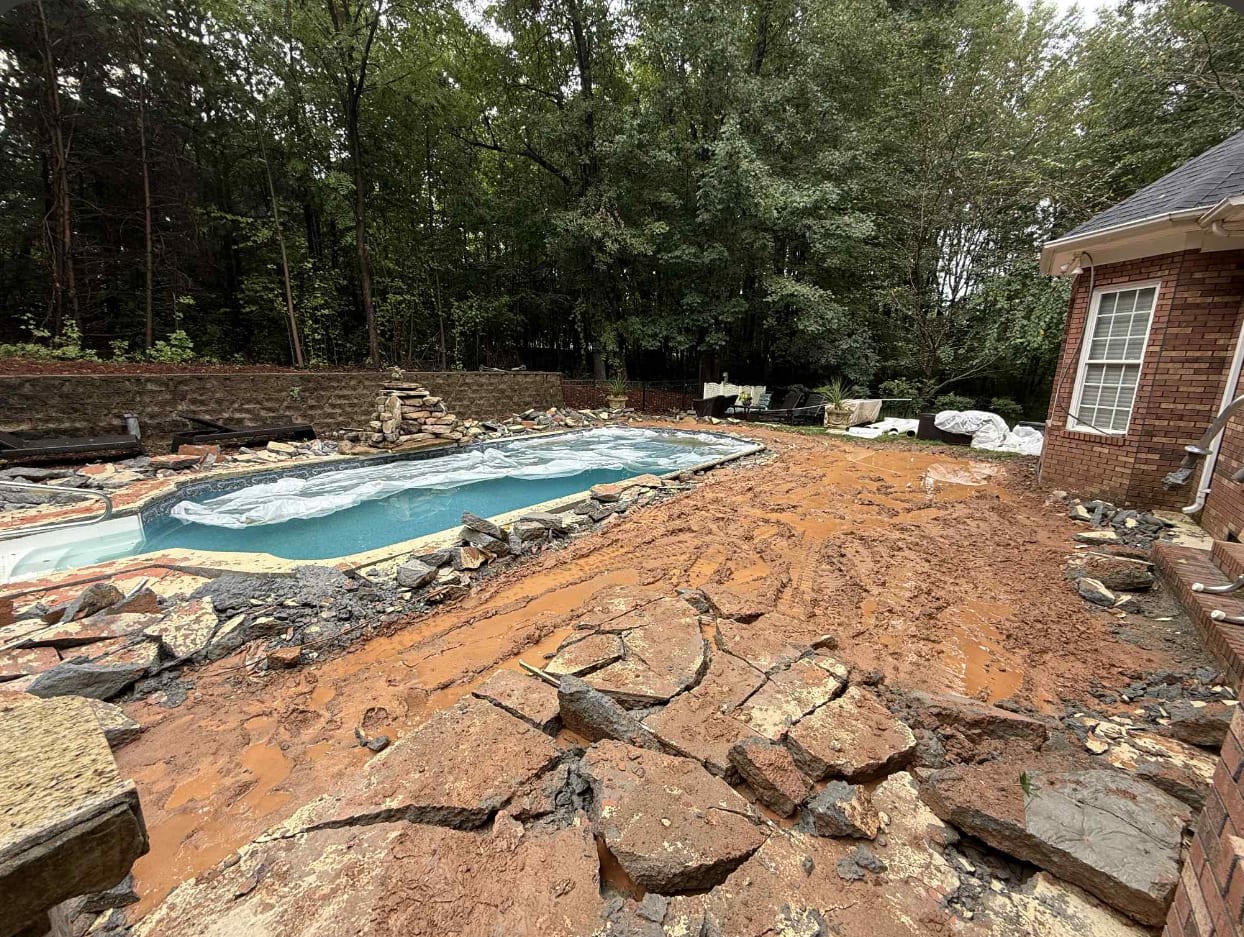
Stamped Pool Deck
Weathered deck replaced with textured stamped pour
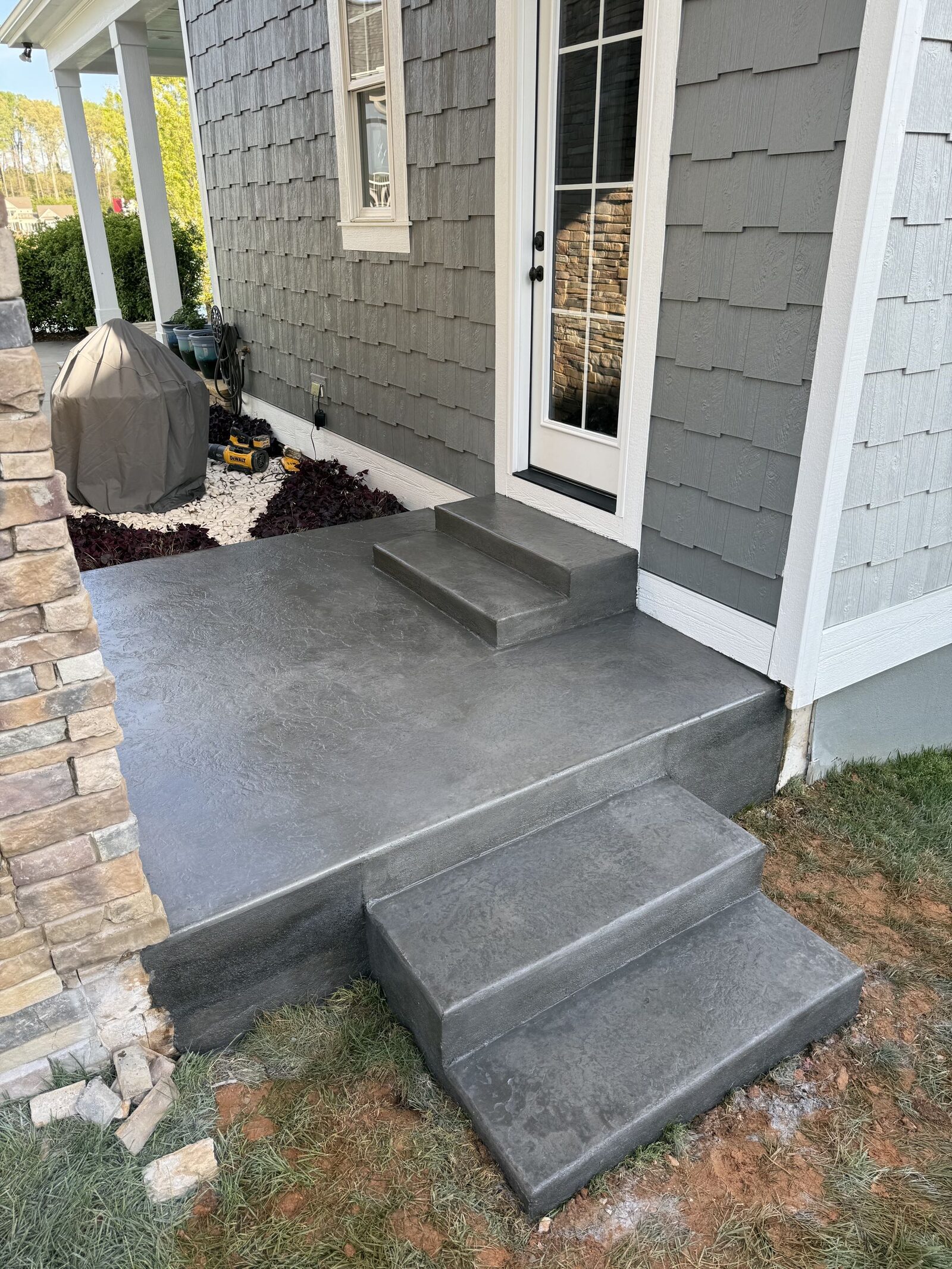
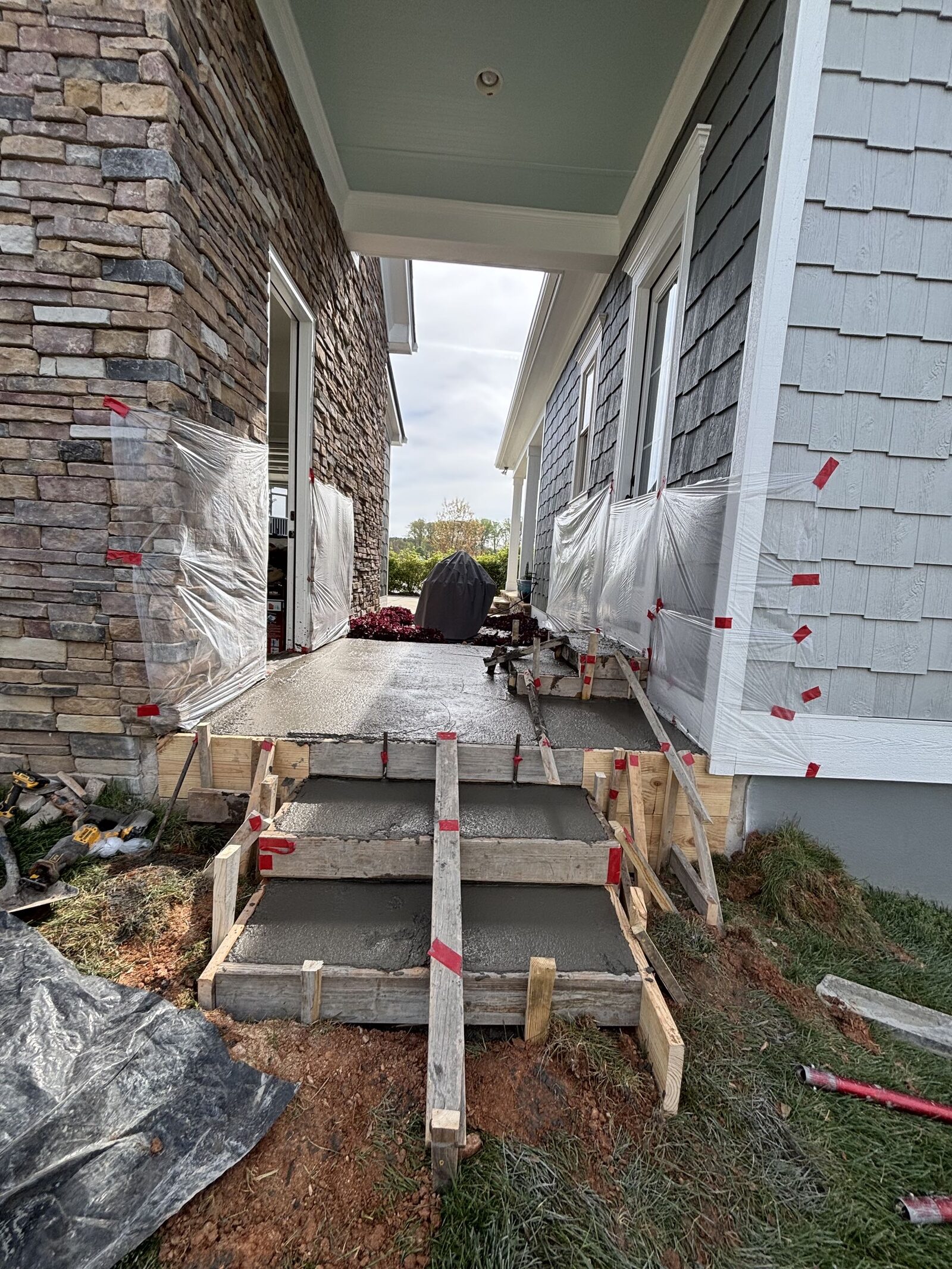
Front Porch & Steps
New entry pad plus poured steps to the door
Most commercial slabs don't need to be torn out and rebuilt from scratch — they need targeted repair on the panels that failed while the rest of the slab keeps working. A cracked panel at a loading dock, a spalled section at a storefront entrance, a joint that's opened up and started chewing up forklift wheels — each of those is a spot fix, not a full tear-out. Done right, a spot repair blends into the surrounding slab, matches the joint layout, and buys another decade before anything larger is needed.
Local Concrete Contractor handles commercial concrete repair across North Carolina — panel-by-panel replacement, spalling repair, joint sealant refresh, apron rebuilds, and truck-approach fixes. Every repair starts with a walk to figure out whether the failure is local (a repair) or systemic (a replacement). We schedule around the building's operating hours, use quick-set mixes where the return-to-service window is tight, and phase the work so the tenant stays open. Zero deposit, licensed and insured, certificate of insurance goes to the GC or PM before we mobilize.
Our Commercial Repair Services
Commercial slab repair is a menu of options, and the right one depends on the failure mode. We'll look at the slab, figure out what actually failed, and price the repair that fixes it without over-buying.
- Full-panel replacement — saw-cut the failed panel out at existing joints, remove and haul, re-pour with matching mix and thickness
- Partial-panel patch — for smaller localized breaks (a cracked corner, a spalled edge), saw-cut a rectangle back to sound concrete and patch with a bonded mix
- Spalling repair — grind or scarify the failed surface, prime with a bonding agent, patch with a repair mortar or overlay
- Joint sealant refresh — remove the old sealant, clean the joint, install semi-rigid polyurea (interior forklift-traffic slabs) or standard exterior sealant
- Joint saw-cut refresh — where old joints have crumbled at the edges, widen the saw cut, patch the shoulders, and re-seal
- Apron and truck-approach rebuilds — the leading edge of loading docks and receiving bays takes the most abuse and often needs a rebuild with a thickened edge and dowel bars
- Curb and gutter tie-in repair — where the slab meets a curb or gutter, differential movement often opens a joint that needs to be re-poured
- Dowel-bar retrofit — for slabs where the original joints have lost load transfer, dowels can be cut in across the joint to restore it
- Trip-hazard grinding — for slabs where a panel has settled slightly and the lip is a fall exposure, precision grinding can restore the transition
Each of these has a different price point and a different return-to-service window. We'll price the options honestly instead of steering to the biggest scope.
Repair During Business Hours vs After-Hours
The single biggest constraint on a commercial repair is downtime. When the slab is at a retail entrance, a restaurant kitchen, or a medical office lobby, closing the space for a week isn't an option. We build the repair schedule around that reality.
- After-hours pours — most commercial repair happens between the tenant's closing time and opening time the next morning; quick-set mixes let the slab take foot traffic by 8 AM
- Weekend windows — larger repairs (multiple panels, apron rebuilds) get scheduled Friday night through Sunday afternoon so the slab is ready for Monday operations
- Phased staging — half the parking, half the entry, or half the loading dock stays operational while the other half gets repaired; we cone off, form up, pour, cure, and hand back before opening the next phase
- Quick-set mixes — high-early-strength concrete or rapid-set repair mortars let a slab go from pour to vehicle traffic in as little as 4 to 8 hours instead of 5 to 7 days
- Coordination with building operations — we sync with the property manager, GC, or tenant on the specific hours the space is closed and work backwards from the reopening deadline
- Traffic control and cone lines — clear signage and taped-off cure zones so foot traffic doesn't walk into a fresh pour
- Real return-to-service milestones — foot traffic, light vehicle, forklift, and heavy truck are all different waits, and we hand you the schedule in writing before the repair starts
On a retail site with a Saturday afternoon delivery, we can pour the apron overnight on Friday, hold the cure through Saturday morning, and open the loading dock by afternoon.
Get your free quote
We respond in less than 2 hours.
0% APR for 21 months
Finance your commercial concrete repair project through Hearth. Soft credit check, no impact on your score, ~60 seconds.
Why Local Concrete Contractor?
- 01.Precision craftsmanship
- 02.Transparent pricing models
- 03.Dedicated project manager
- 04.Zero Deposit Required
Our Concrete Installation Process
Every commercial concrete repair we pour runs through the same 18 checkpoints — from the on-site consult through the final walkthrough.
Consultation & Estimate
We meet on-site to assess scope, discuss vision, and provide a detailed, transparent quote tailored to your property.

Logistics & Scheduling
Coordinating crew, equipment, and weather windows to ensure a seamless project start.
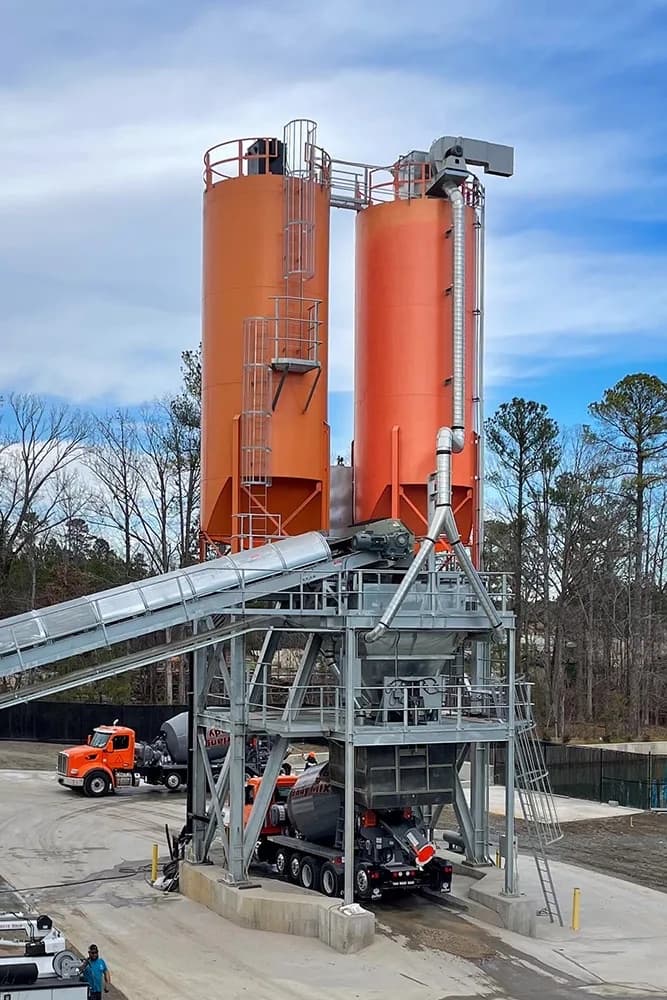
Custom Mix Design
Ordering specific concrete additives and slump requirements based on current temperature and humidity patterns.
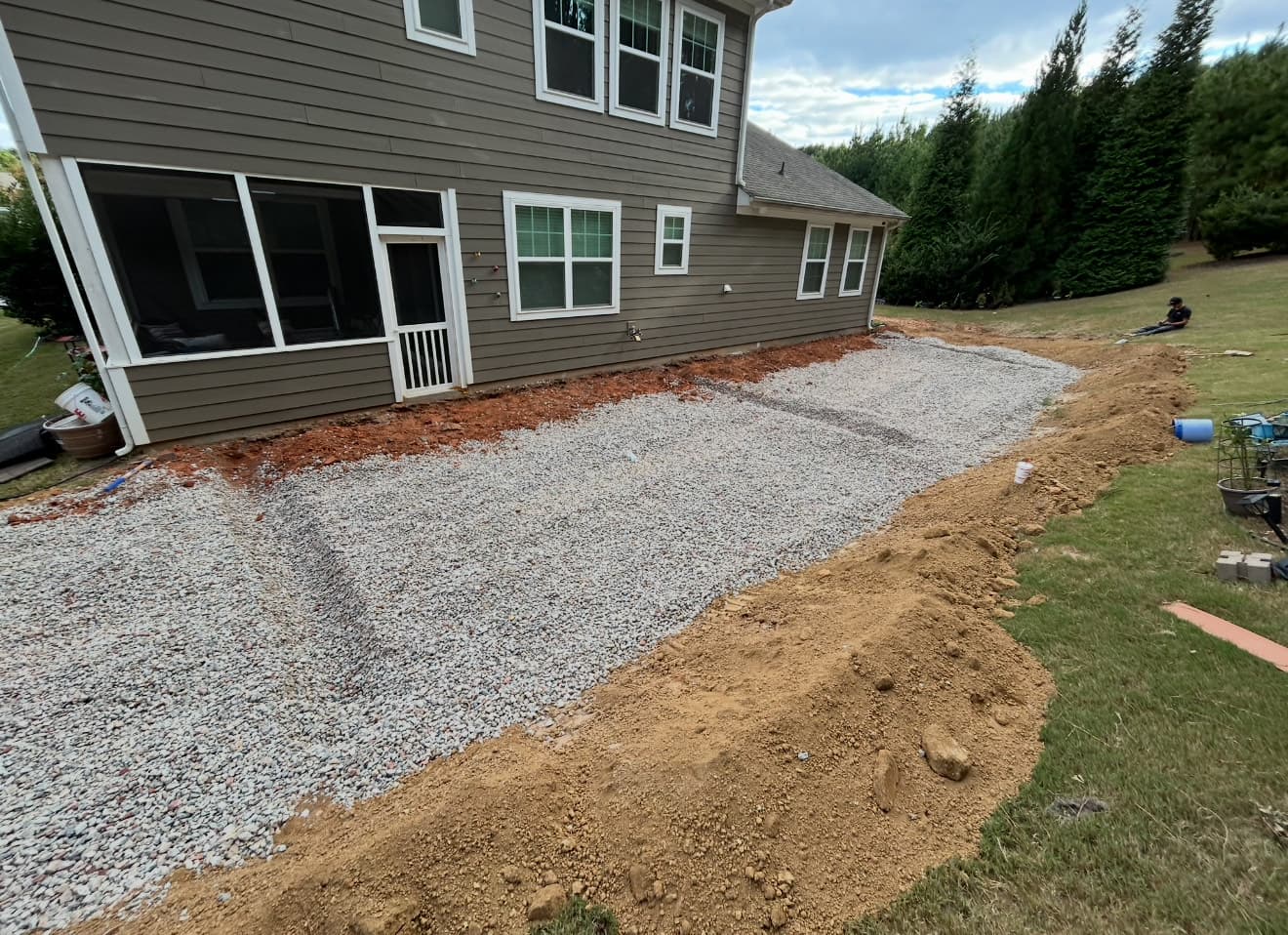
Site Preparation
Preparing the workspace and establishing safe access routes for our equipment and crew.
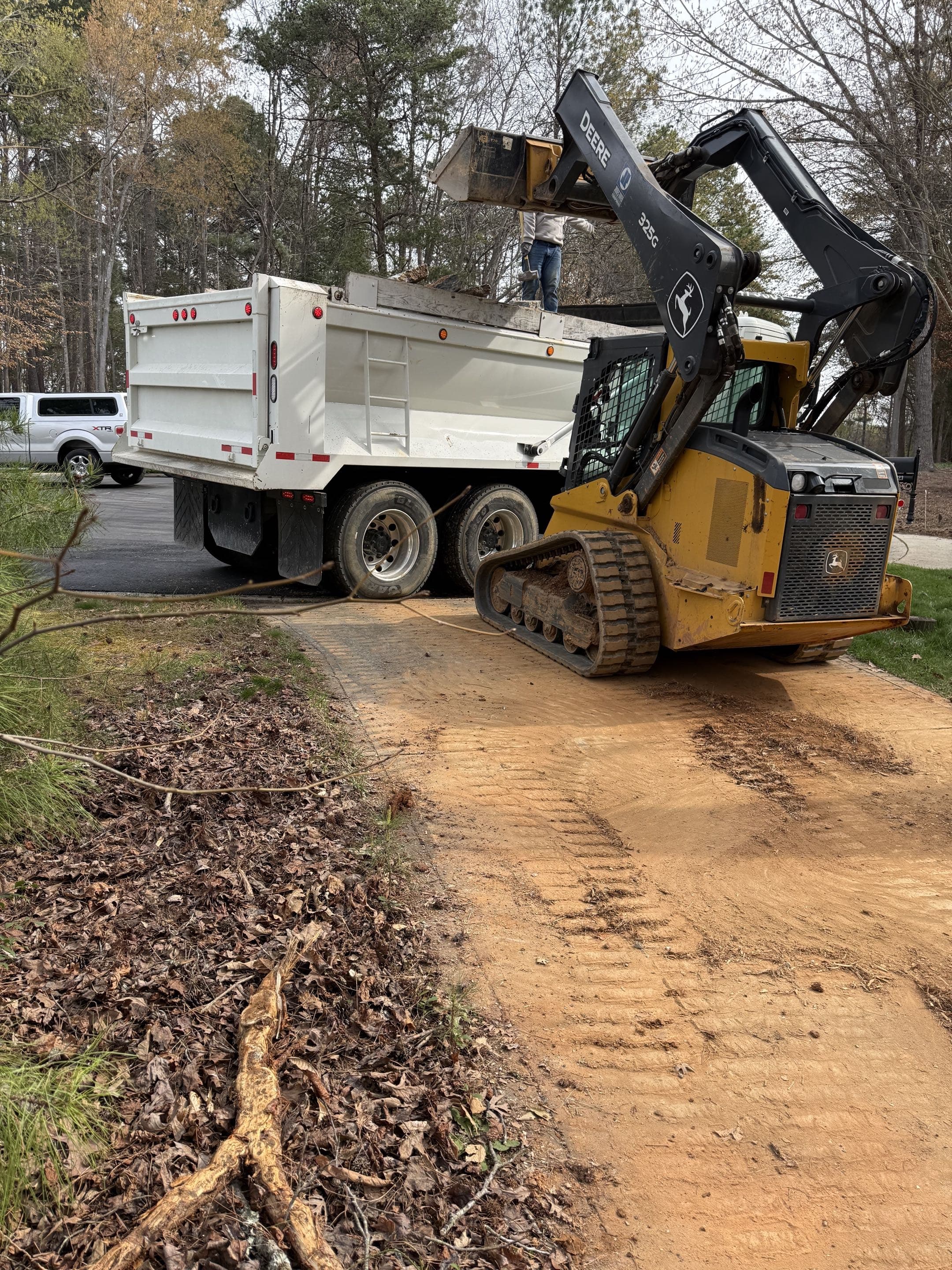
Demolition
Removal and disposal of existing concrete, leaving a clean slate for your new installation.
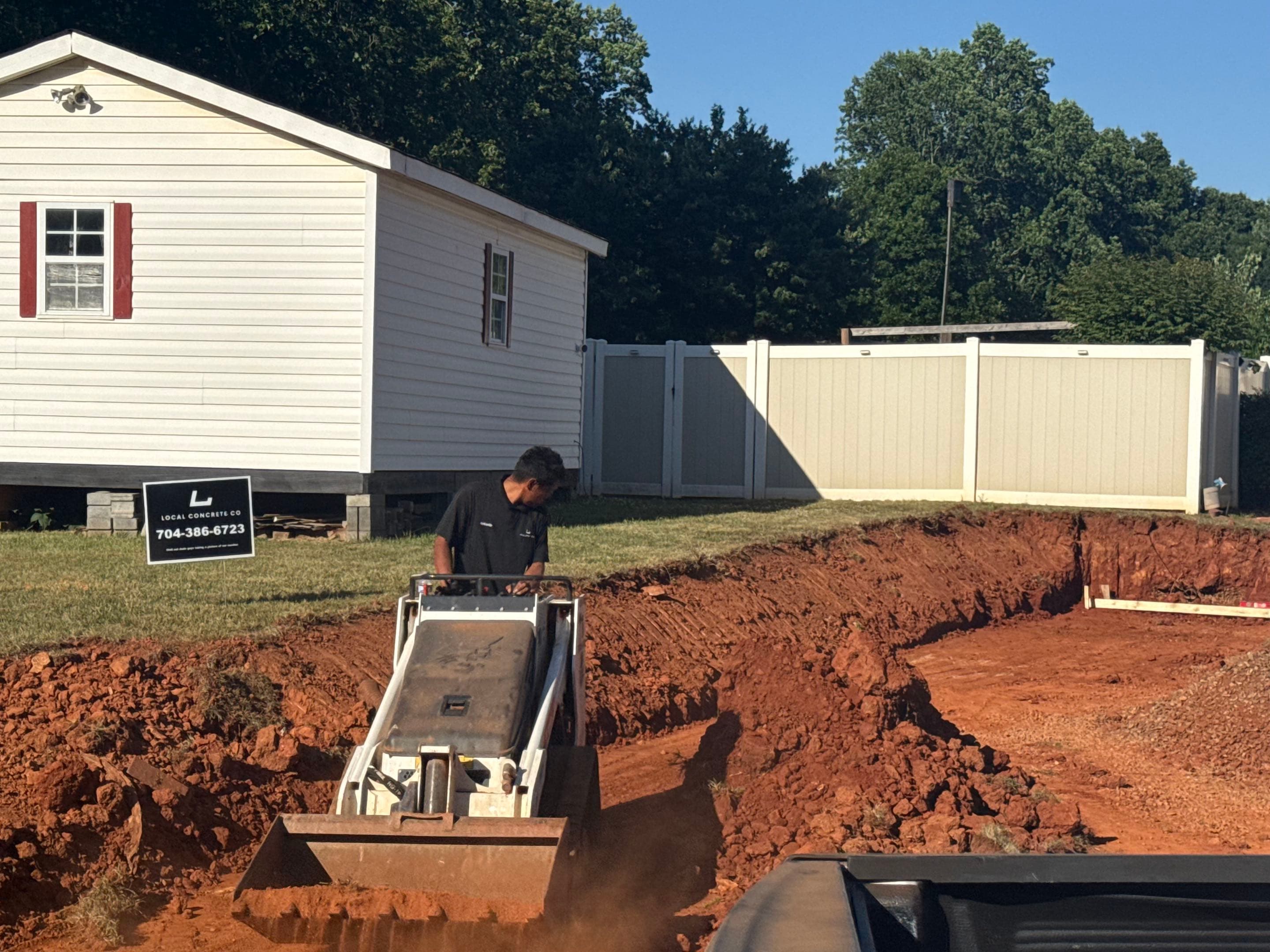
Grading & Forming
Expert grading for proper drainage and setting high-quality lumber forms for clean edges.
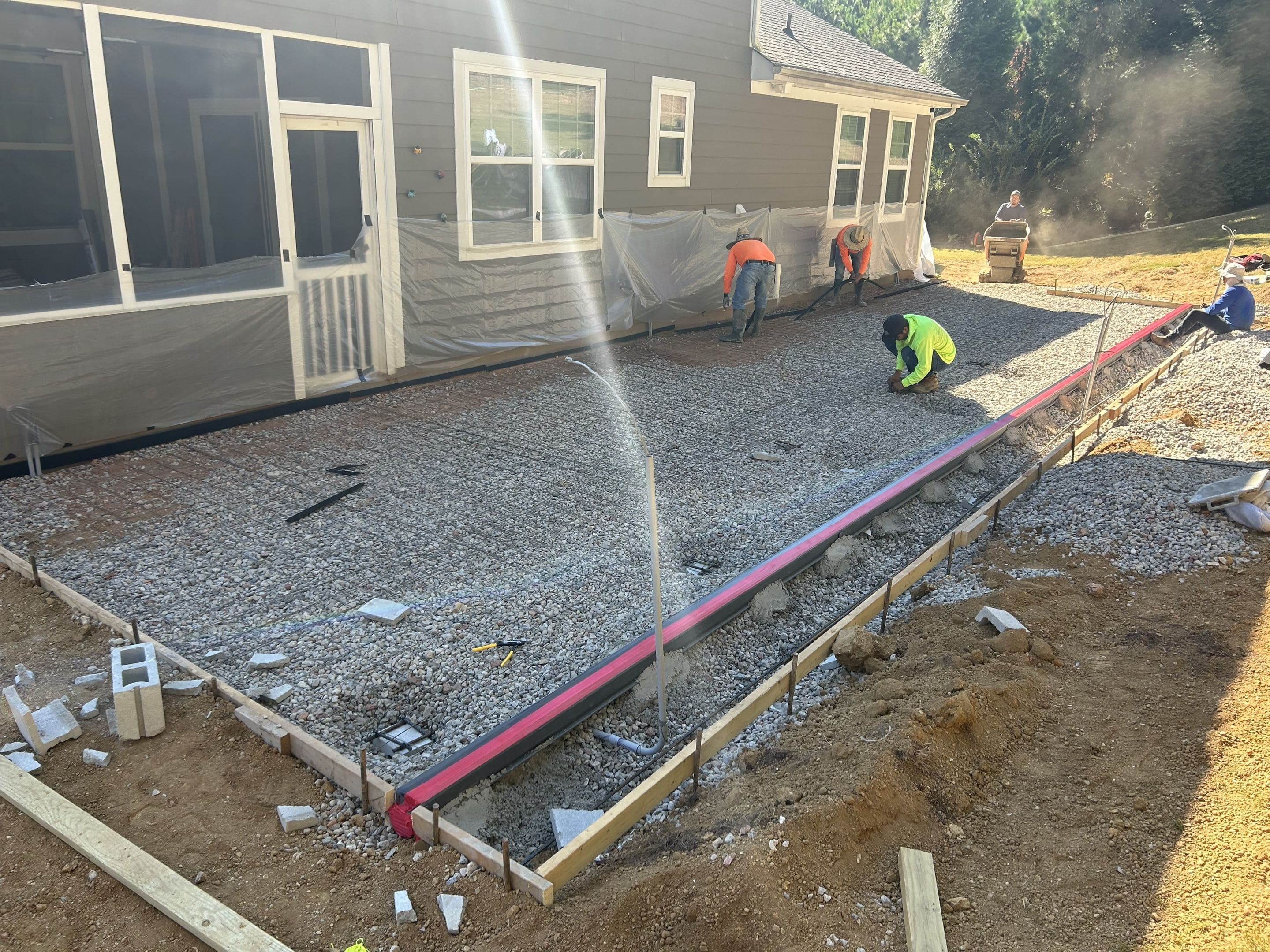
Reinforcement
Installation of steel rebar or wire mesh grid, using 1/2 inch grid for structural tensile strength.
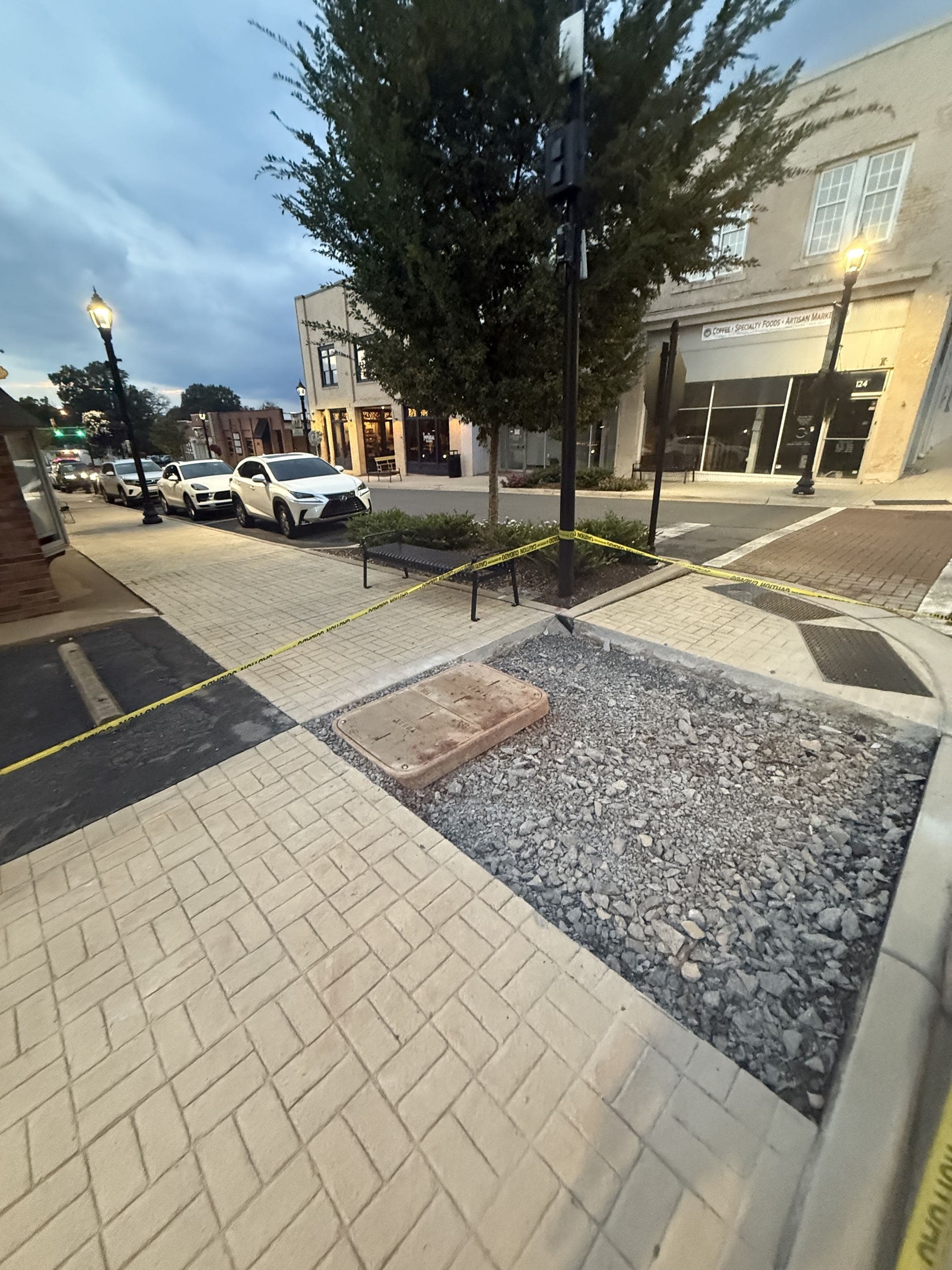
Pre-Pour Inspection
A final check of elevation, form stability, and reinforcement placement before the truck arrives.
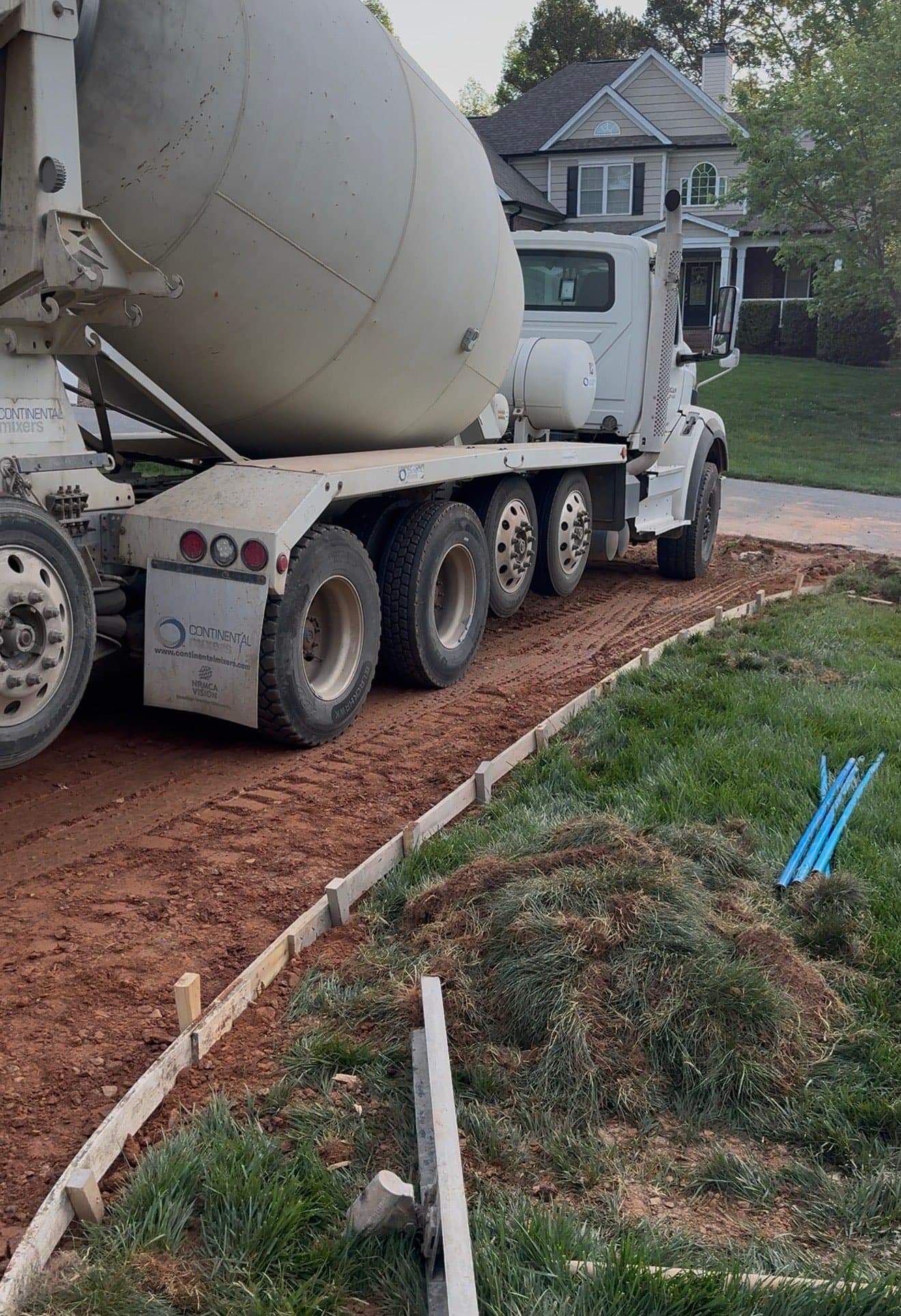
Slump Testing
Verifying concrete consistency on-site to ensure it meets the engineered mix design.
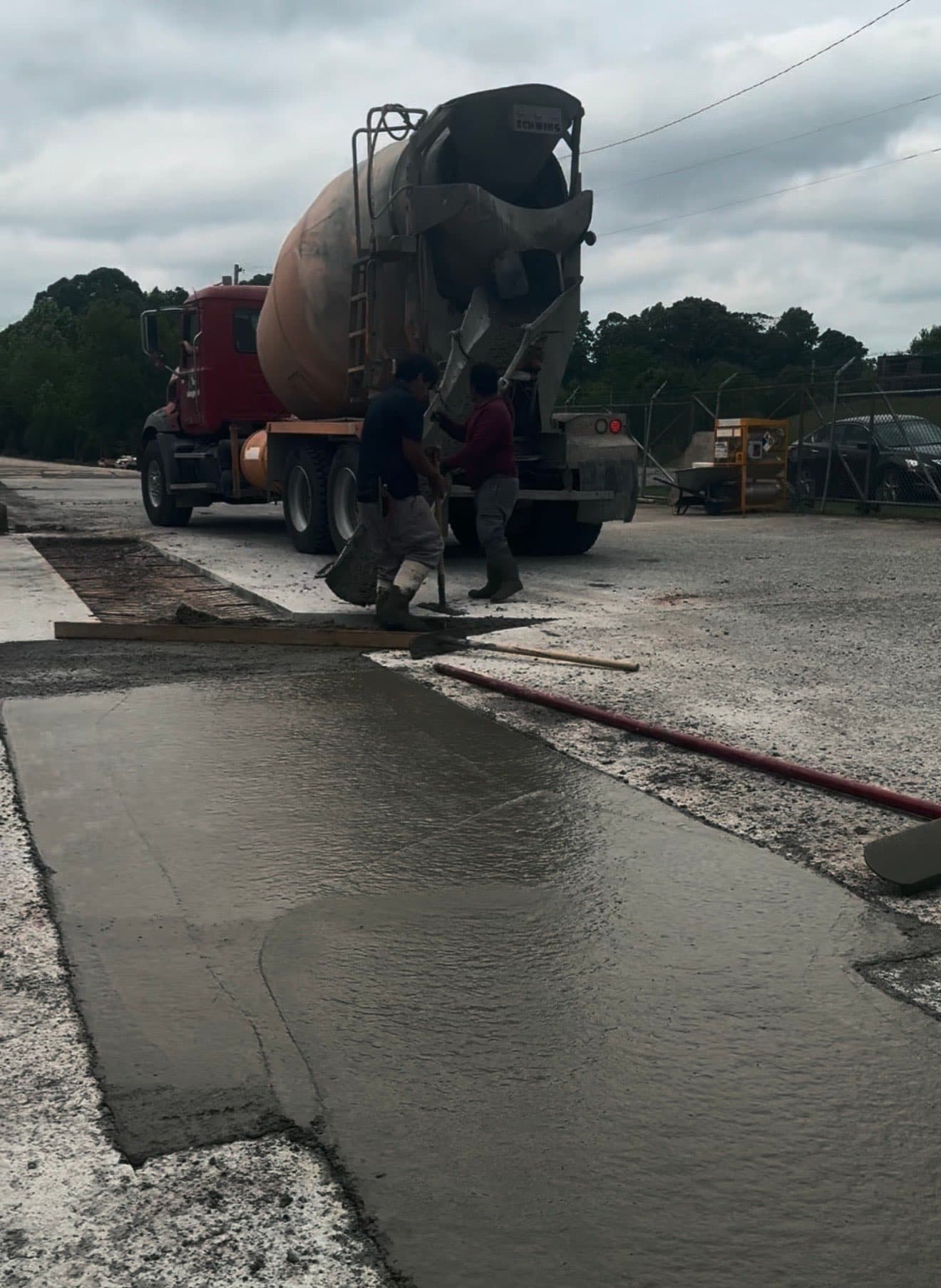
Placement
Controlled pouring and placement of concrete to avoid cold joints and ensure uniformity.
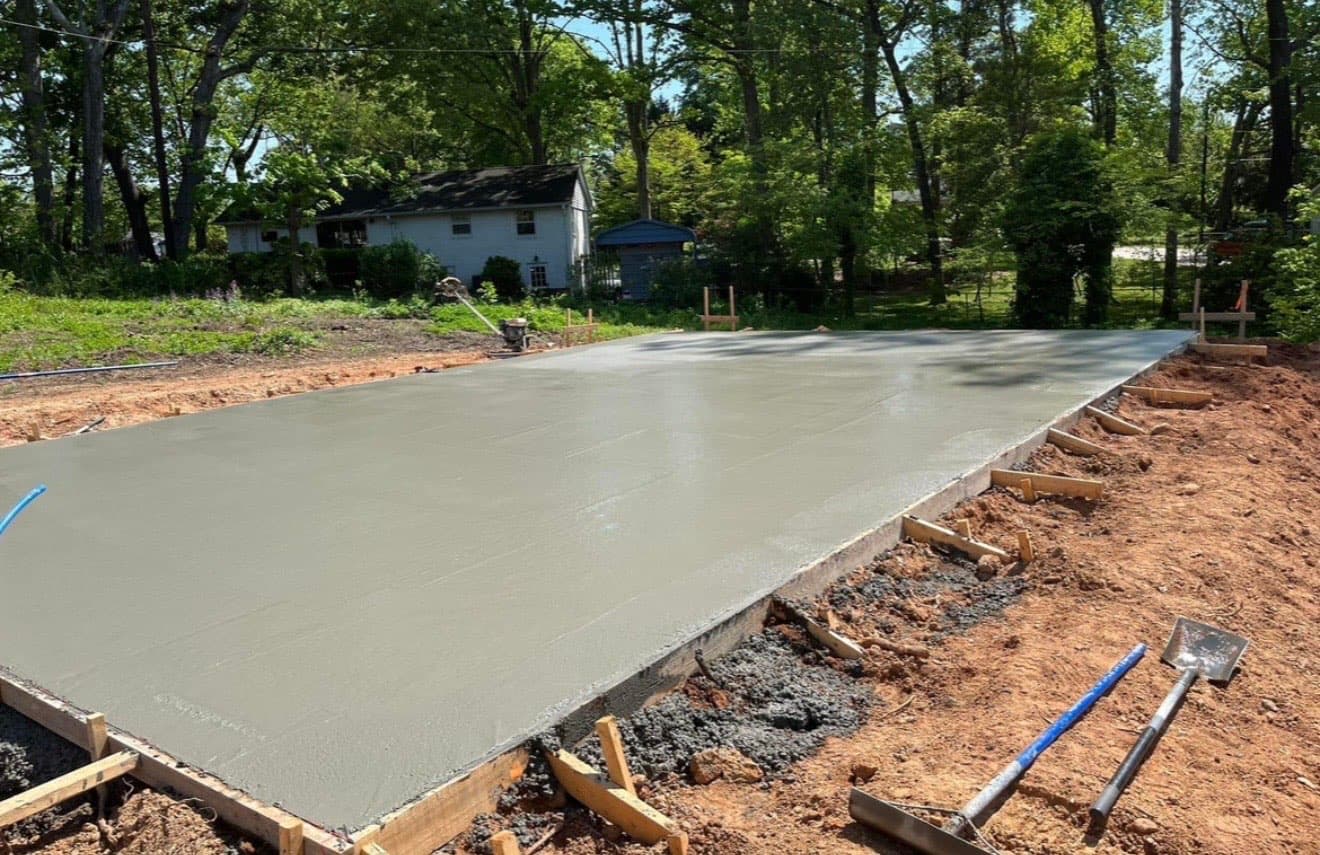
Bull Floating
Pushing aggregate down and bringing 'cream' to the surface for a smooth finishable layer.
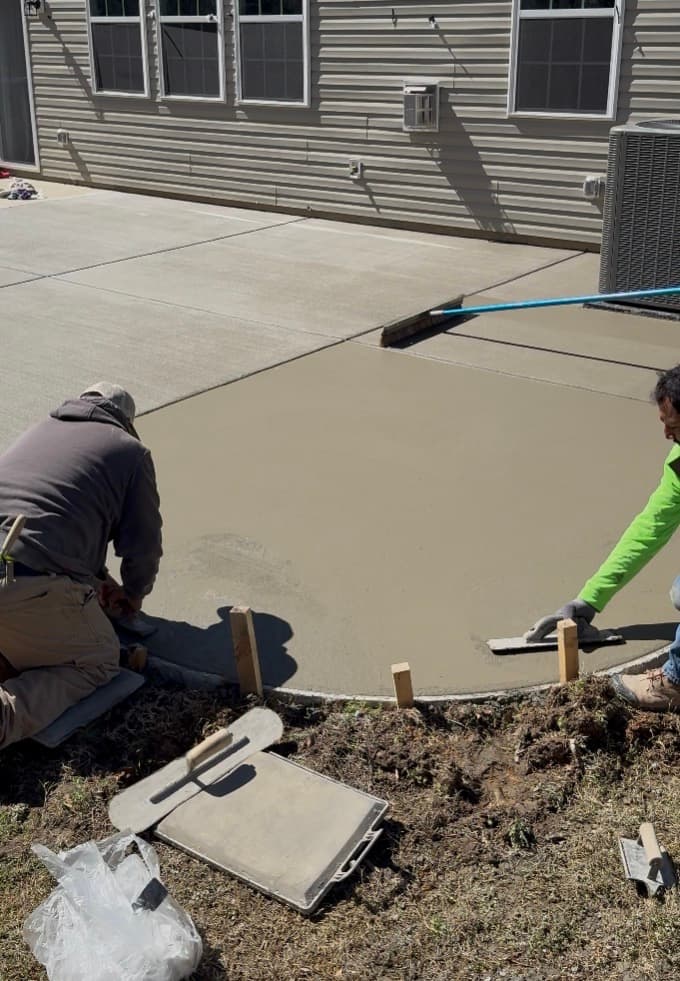
Edging & Jointing
Creating rounded edges for durability and cutting control joints to manage expansion.
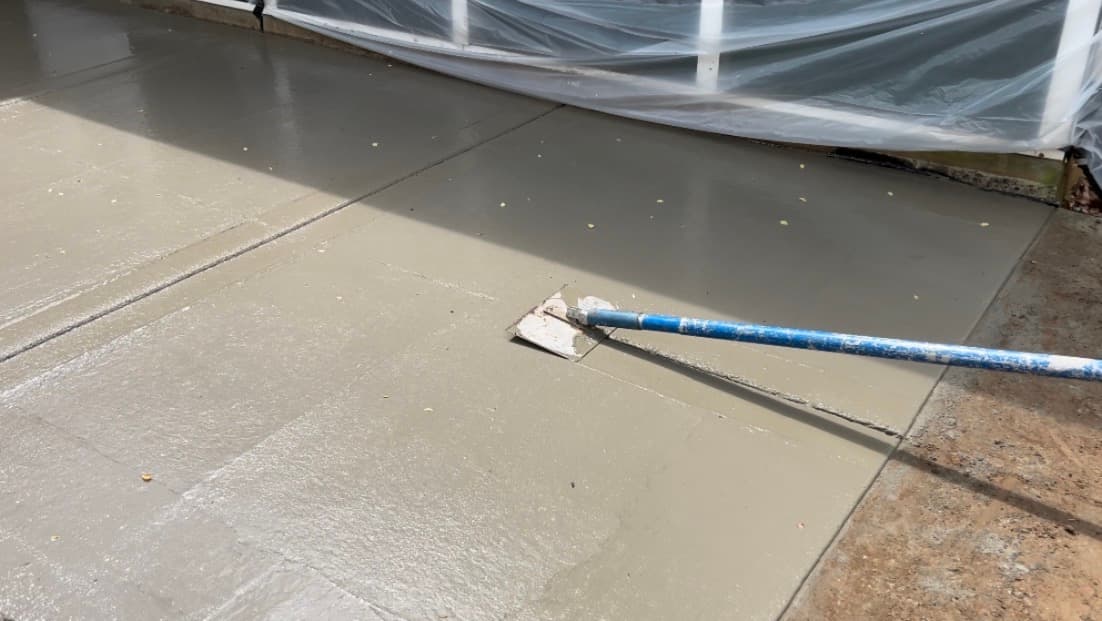
Fresno Finish
Final smoothing pass to close the surface pores and prepare for texturing.
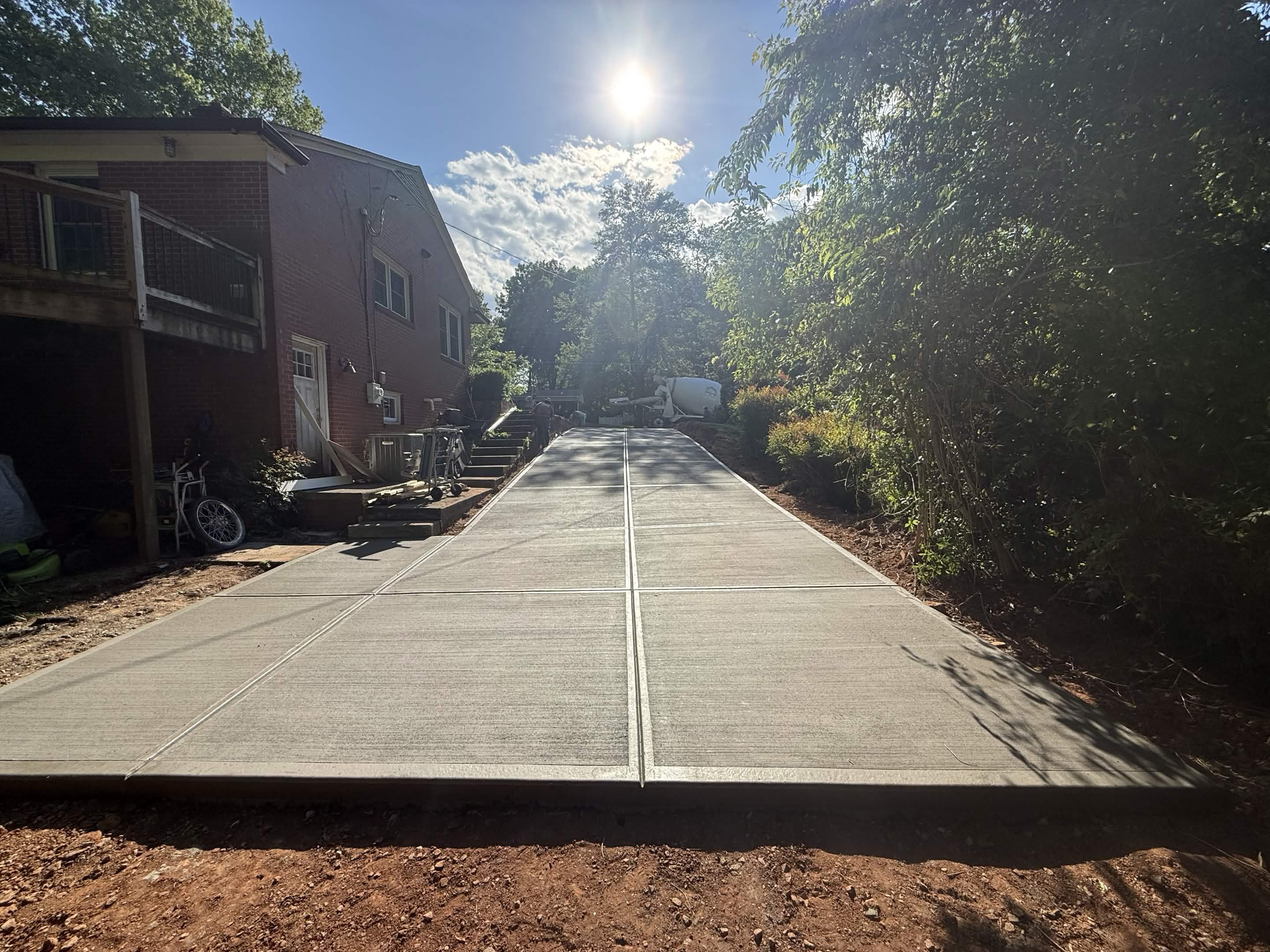
Decorative Detailing
Applying final broom texture, stamp patterns, or color treatments as specified for your project.
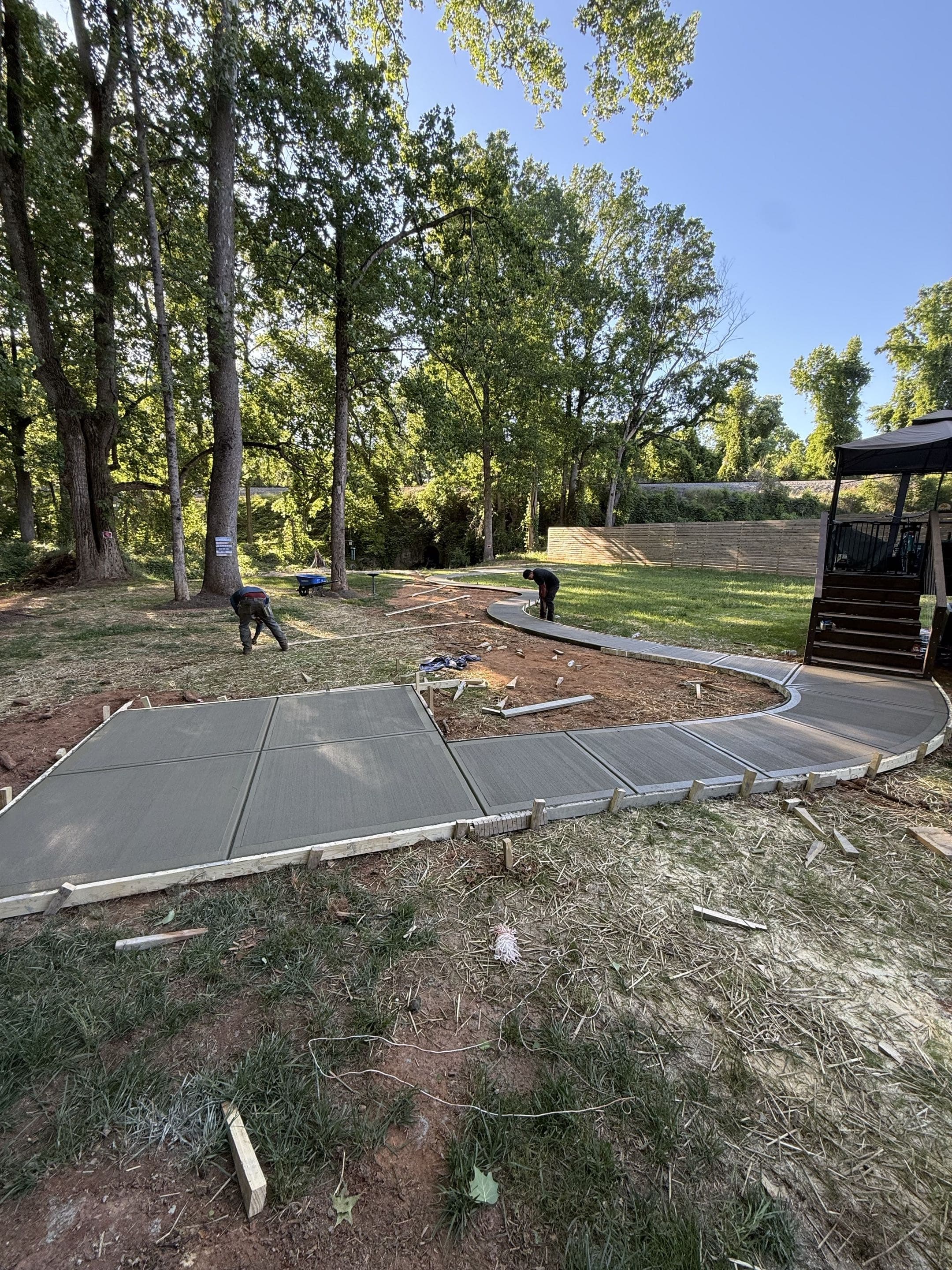
Form Removal
Careful stripping of forms once concrete has reached initial set stability.
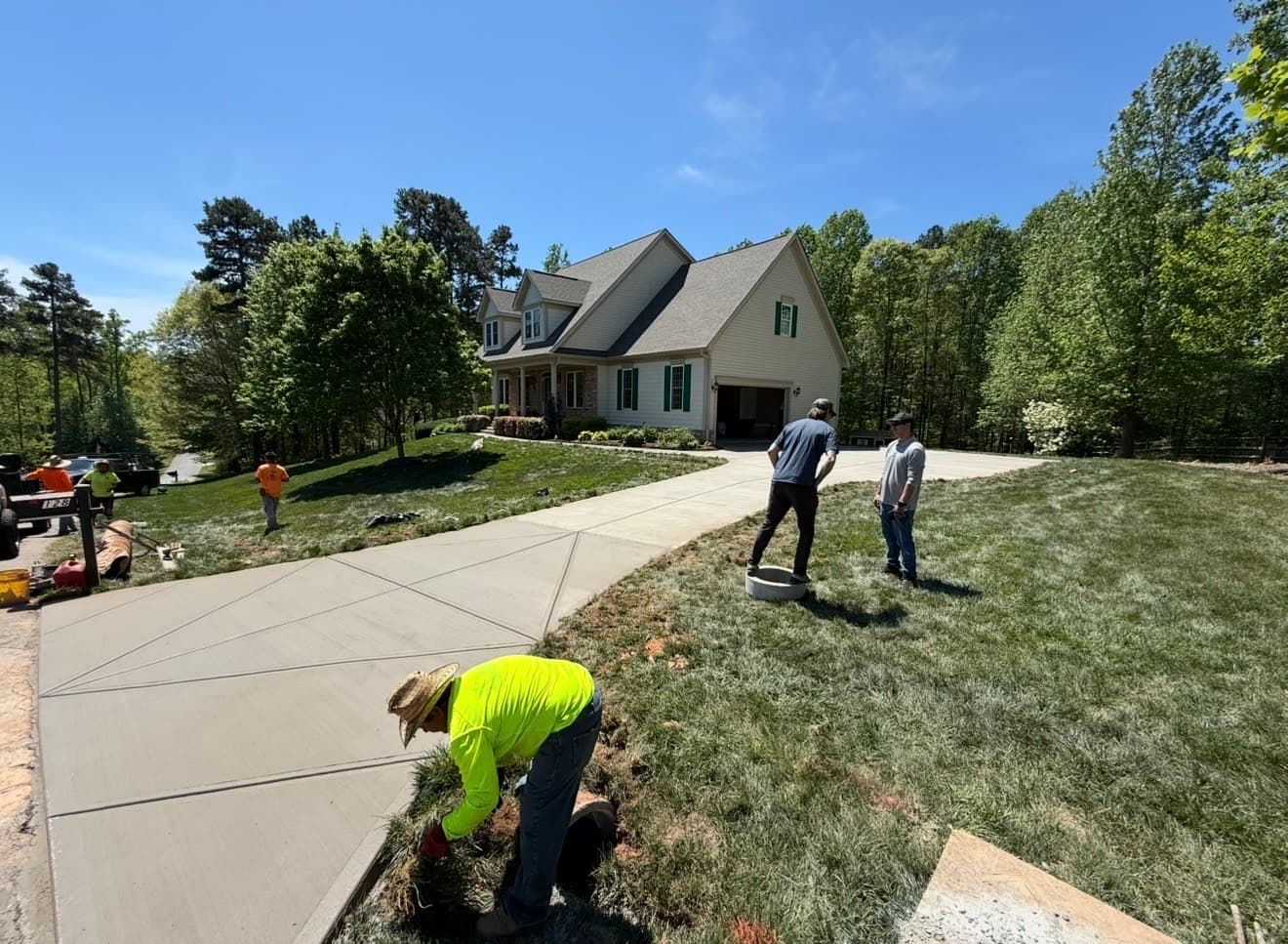
Final Walkthrough
Reviewing the finished project with you to ensure every detail meets the standard.

Usage Guide
Providing clear instructions on cure times — when you can walk, drive, and park on your new concrete.
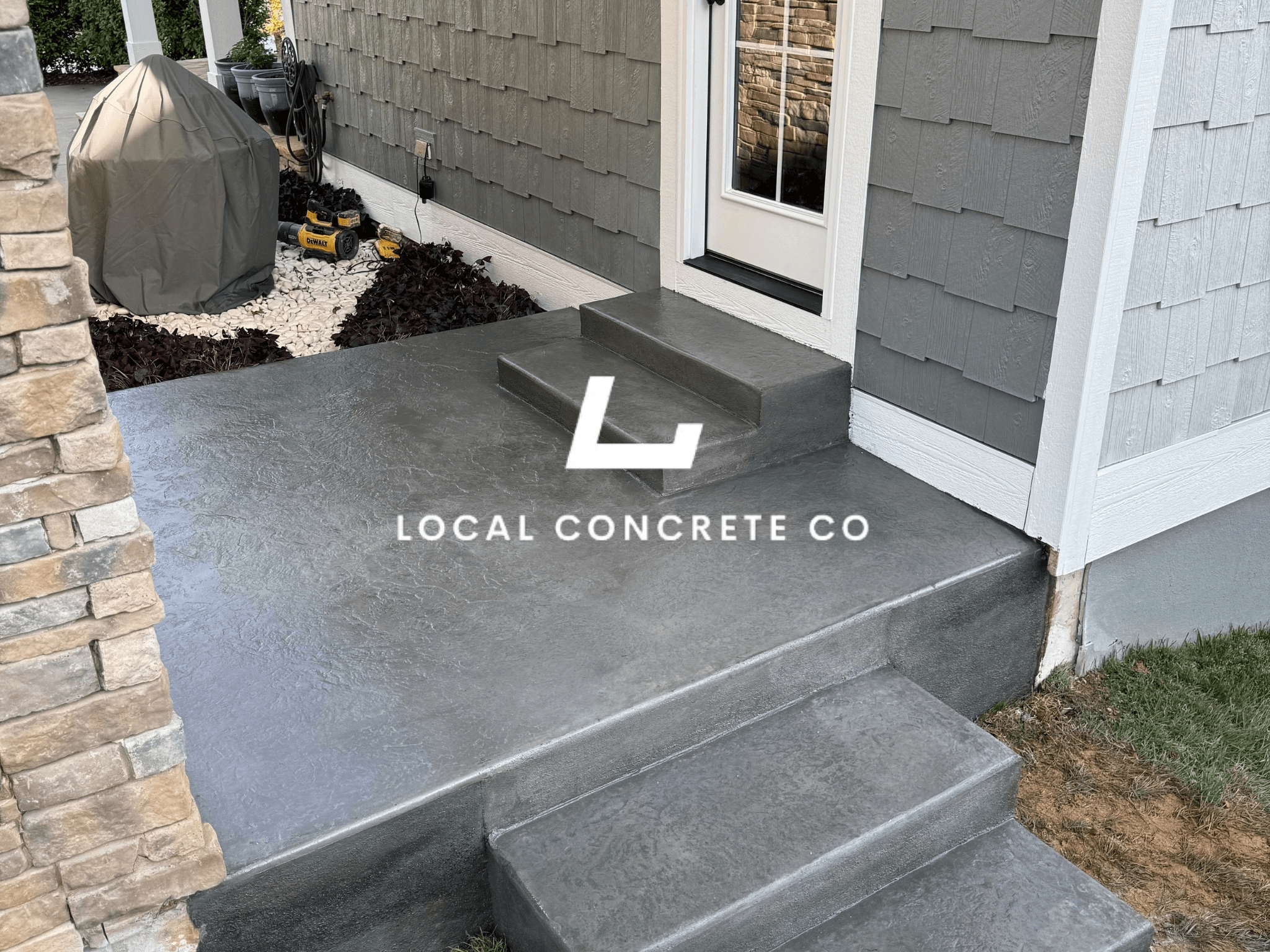
Project Completion
The job is done right, ensuring you have a durable surface for years to come.
Failure Modes and Matched Repairs
Reading the slab correctly means knowing what caused the failure. The same visible symptom can have three different causes, and each cause changes the right repair.
- Cracks along a straight line through the middle of a panel — usually a missed control joint, and the crack becomes the working joint; saw it, clean it, seal it
- Map cracking or spider-webbing across the field — points to base failure or an under-spec mix; a patch won't hold, and the panel needs replacement
- Spalling at the surface — freeze-thaw damage on a slab without air entrainment, or chloride exposure from de-icing salts; grind and overlay if shallow, patch if deep
- Cracked corner or spalled edge at a joint — panel edge has lost its shoulder from wheel loads; saw-cut back to sound concrete and patch, or add a dowel-bar retrofit
- Panel settled or heaved more than half an inch — subgrade has moved; either mudjack (if the slab is otherwise sound) or replace the panel and rebuild the base
- Joint sealant failed and water is entering the base — refresh the sealant and inspect the joint shoulders; if the shoulders are gone, widen and re-seal
- Loading dock or apron slab has separated from the main slab — base loss at the approach; rebuild with a thickened edge and dowel bars into the main slab
- Rebar visible through surface cracks — steel is corroding and expanding; the panel is on the clock and needs replacement, not patching
- Forklift ruts and wheel tracks worn into the surface — surface is losing its finish; overlay is possible on shallow wear, replacement on deep ruts
We'll match the repair to the failure mode instead of running the same patch on every crack — the price and the service life both change with the diagnosis.
Spot Repair vs Section Rebuild
The judgment call on any commercial repair is where the line sits between fixing a panel and rebuilding a section. Get it wrong and you either overspend on a slab that has more failures coming, or underspend and end up back at the same slab in two years.
- Single-panel failure with sound panels around it — spot repair is right; the failure is local
- Two or three adjacent panels failing with the same crack pattern — points to a base issue under all of them; rebuild the section, not the individual panels
- Same failure showing up on multiple panels across the slab — the mix or the joint layout was wrong; patching keeps repeating and the full slab may need to come out
- Slab is under 15 years old with one bad panel — spot repair almost always wins; the rest of the slab has decades left
- Slab is over 25 years old with multiple failing panels — the section rebuild or full replacement often wins the 10-year math
- Loading dock or apron with edge failure but sound main slab — rebuild just the apron with a thickened edge and dowels into the sound slab
- Interior slab with joint failure but sound field — refresh the joints; the field is fine
- Interior slab with map cracking across the field — the field is failing; joint work won't fix it
We'll write both the spot-repair quote and the section-rebuild quote when the call isn't obvious, lay them next to each other, and walk through the 10-year outlook on each so the property owner or PM can decide with the numbers in front of them.
Why Business Owners and Property Managers Work With Us
Local Concrete Contractor handles commercial repair across the North Carolina Piedmont and out into the coastal plain. Repair work is almost always time-sensitive — the trip hazard has to be fixed before the next inspection, the loading dock has to work by Monday, the joint sealant has to be back in before winter. We build the schedule around the deadline.
What that looks like on your repair:
- Zero deposit — you pay after the repair is poured, cured to the return-to-service milestone, and walked with you or the PM
- Free on-site quotes with the written scope: which panels, what repair method, what mix, what cure window, what pour hours
- Licensed and insured — certificate of insurance naming the property owner and GC as additional insured, delivered before mobilization (commercial-required, not optional)
- After-hours and weekend pours to keep the tenant open
- Quick-set mixes on time-critical repairs, with the return-to-service milestone written into the quote
- Honest diagnosis — if a spot repair won't hold, we'll say so; if a section rebuild is overkill, we'll say that too
- Real photos of prior commercial repairs in the region — retail, restaurant, medical, light industrial — not stock images
- Straight answers on the cost drivers (repair method, panel count, mix class, pour window, quick-set premium) so the number is explainable
- Same crew from saw-cut through final finish — no subbing the finish out
If you're comparing repair quotes, ask each contractor what the failure mode is, what repair method matches it, and what the return-to-service window looks like. Those three answers separate a repair that holds a decade from one that fails again in a season.
Commercial Concrete Repair
FAQ
Straight answers on commercial concrete repair installation — thickness, base prep, cure time, deposit, and what it takes to make the slab last.
Get Free QuoteCan you repair a slab without closing the space?
Usually yes, through some combination of phased staging and after-hours work. On smaller repairs — a single panel, a joint refresh, a trip-hazard grind — we cone off the work area and keep the rest of the slab open while we pour and cure. On larger repairs, we schedule after operating hours or across weekend windows. Quick-set mixes shorten the cure window so the slab is back in service by the next opening.
How fast can concrete repair be back in service?
When should a panel be replaced vs patched?
Do you refresh joint sealant?
How do you handle a failed loading dock apron?
Do quick-set mixes cost more?
Ready to talk about your project?
Free estimate. No pressure, no sales tactics. Zero deposit.
Get Free Quote