



Driveway Repair
Concrete driveway repair across North Carolina — full-scope repair covering cracks, spalling, joints, aprons, and settled panels with honest thresholds on what actually buys time versus what just delays a full pour. Zero deposit, licensed and insured, both repair and replacement priced on the same quote.
Get your free quote
We respond in less than 2 hours.
Recent General Driveway Repair Projects
Real customer jobs we've poured. Swipe through and picture yours next.
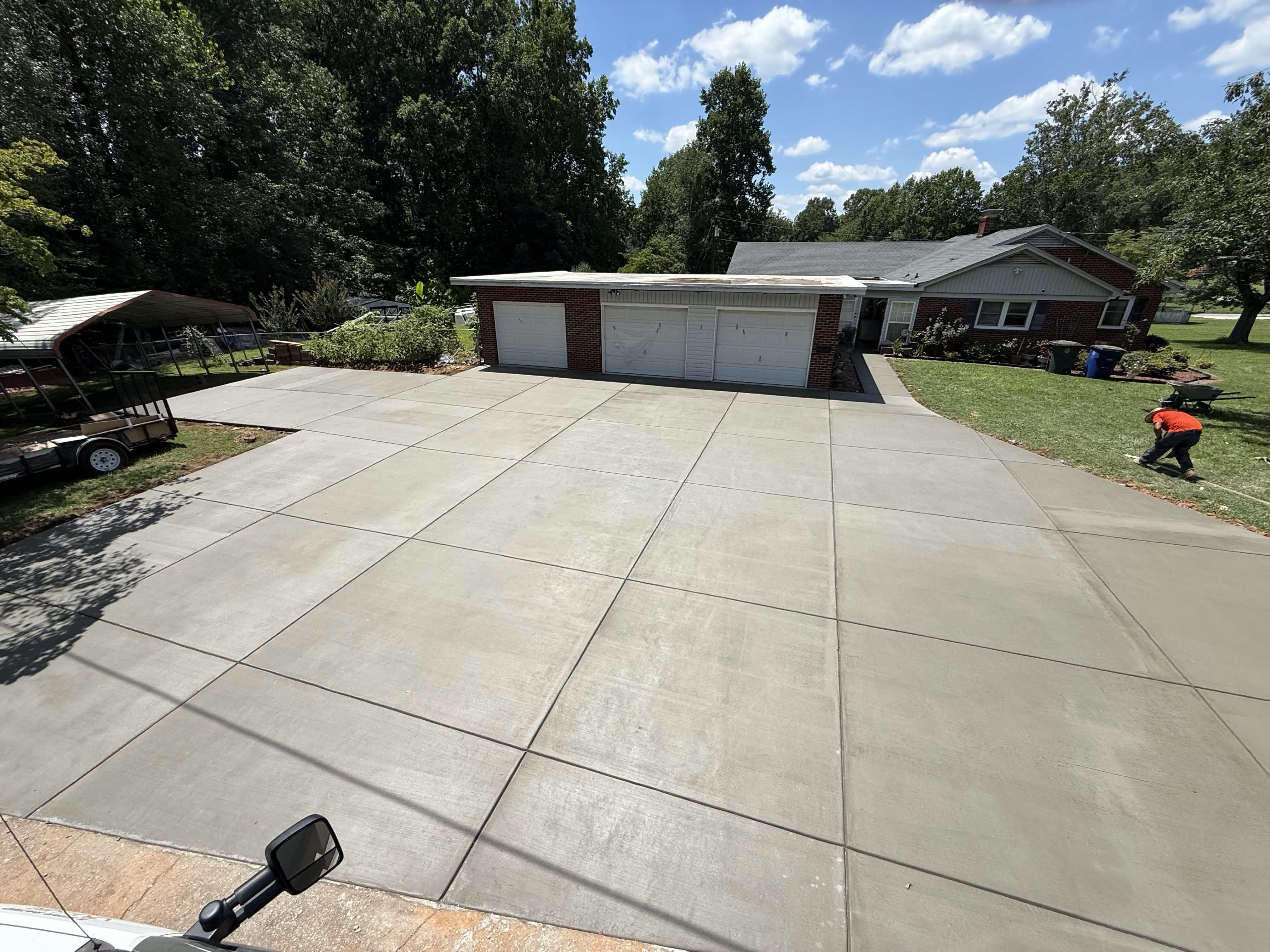
General Driveway Repair
Recent Job
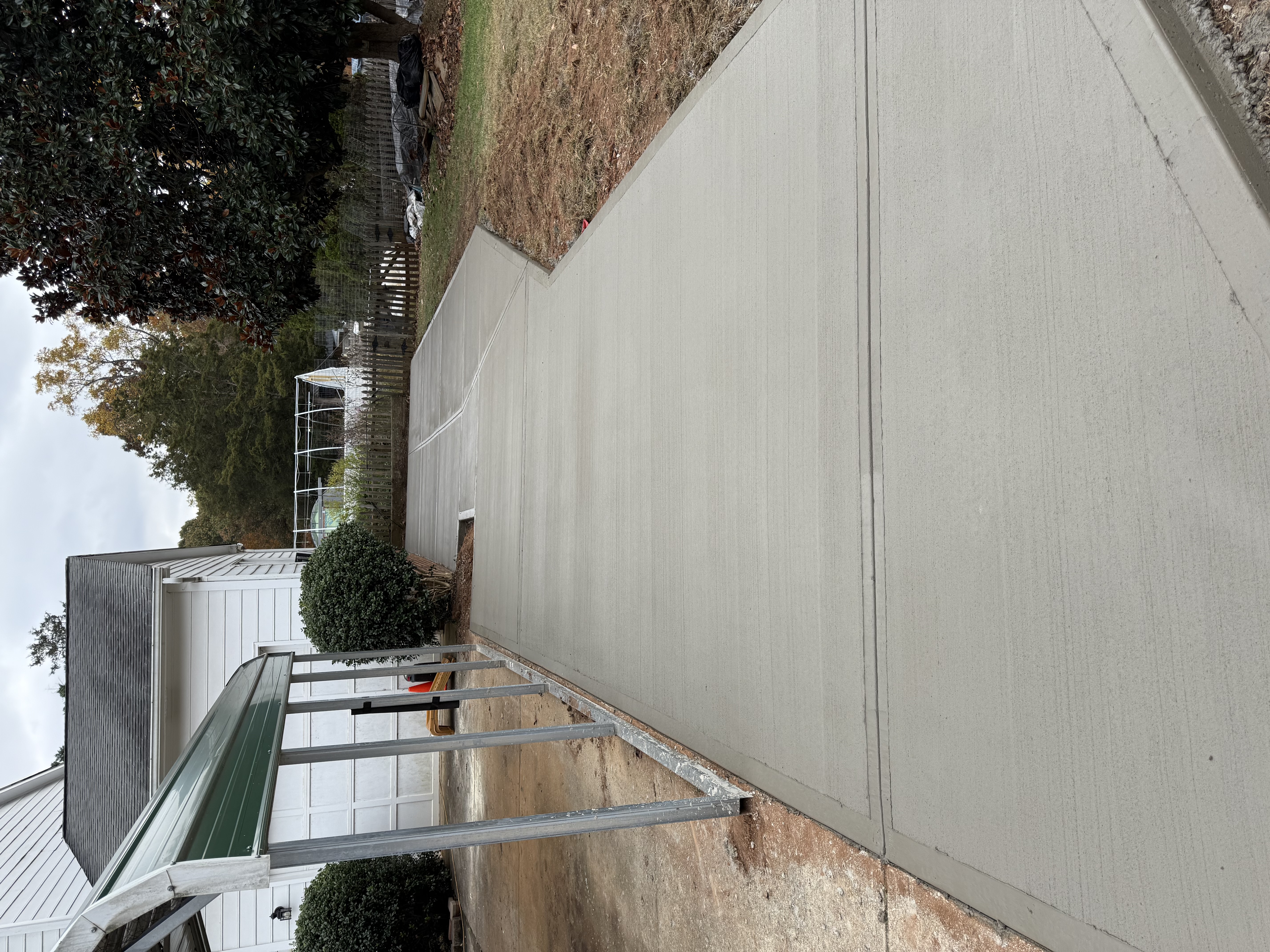
General Driveway Repair
Recent Job
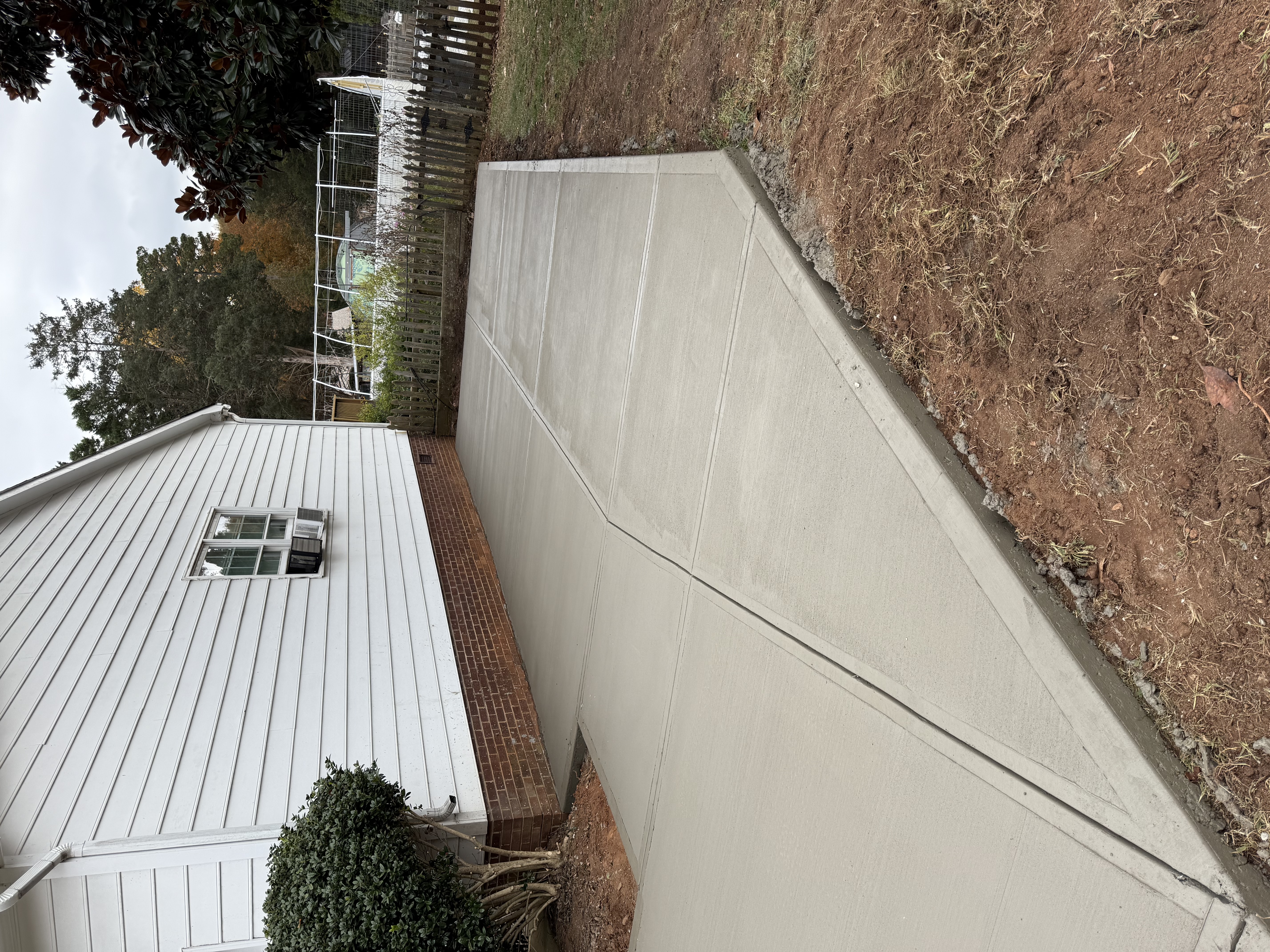
General Driveway Repair
Recent Job
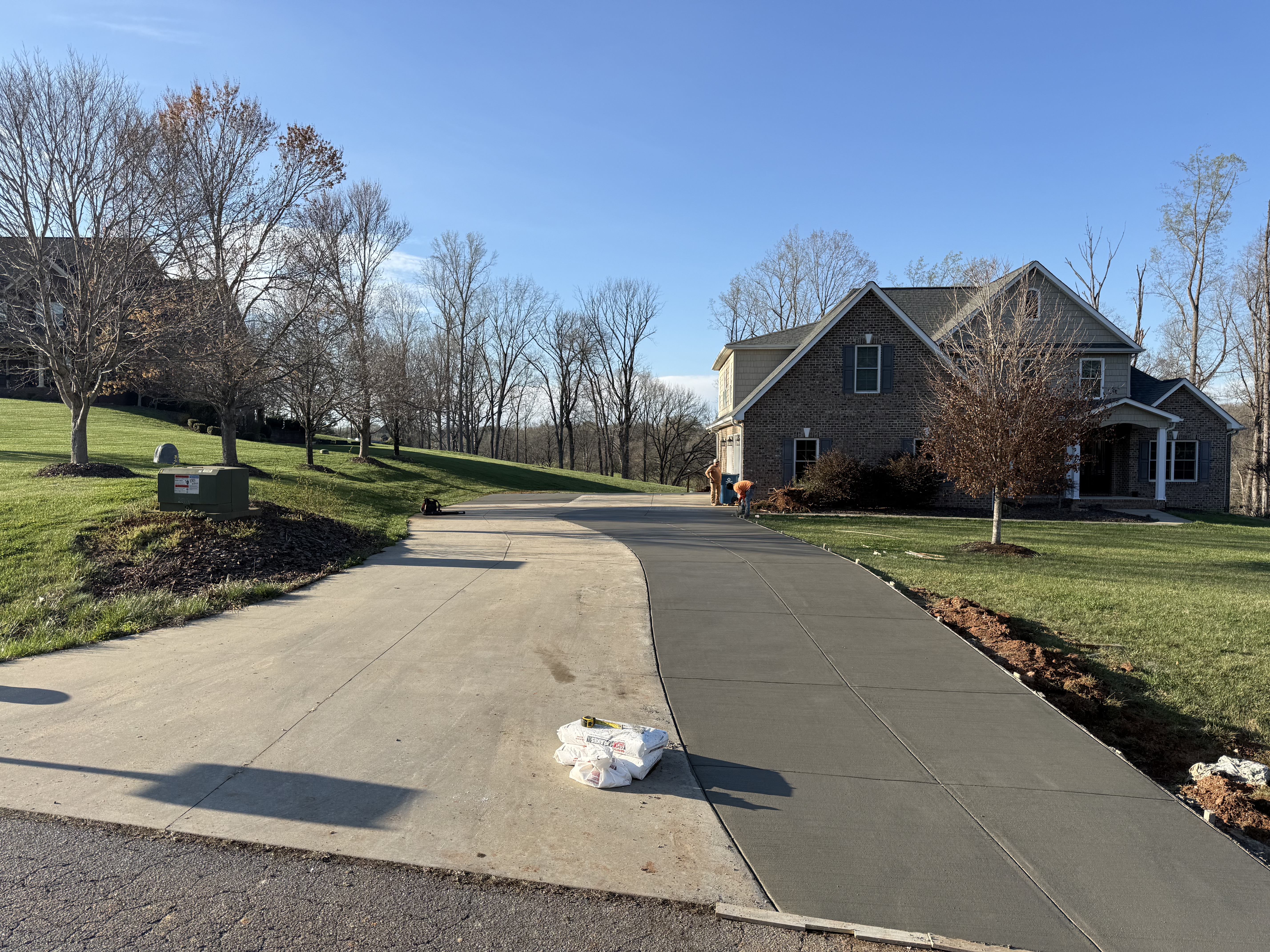
General Driveway Repair
Recent Job
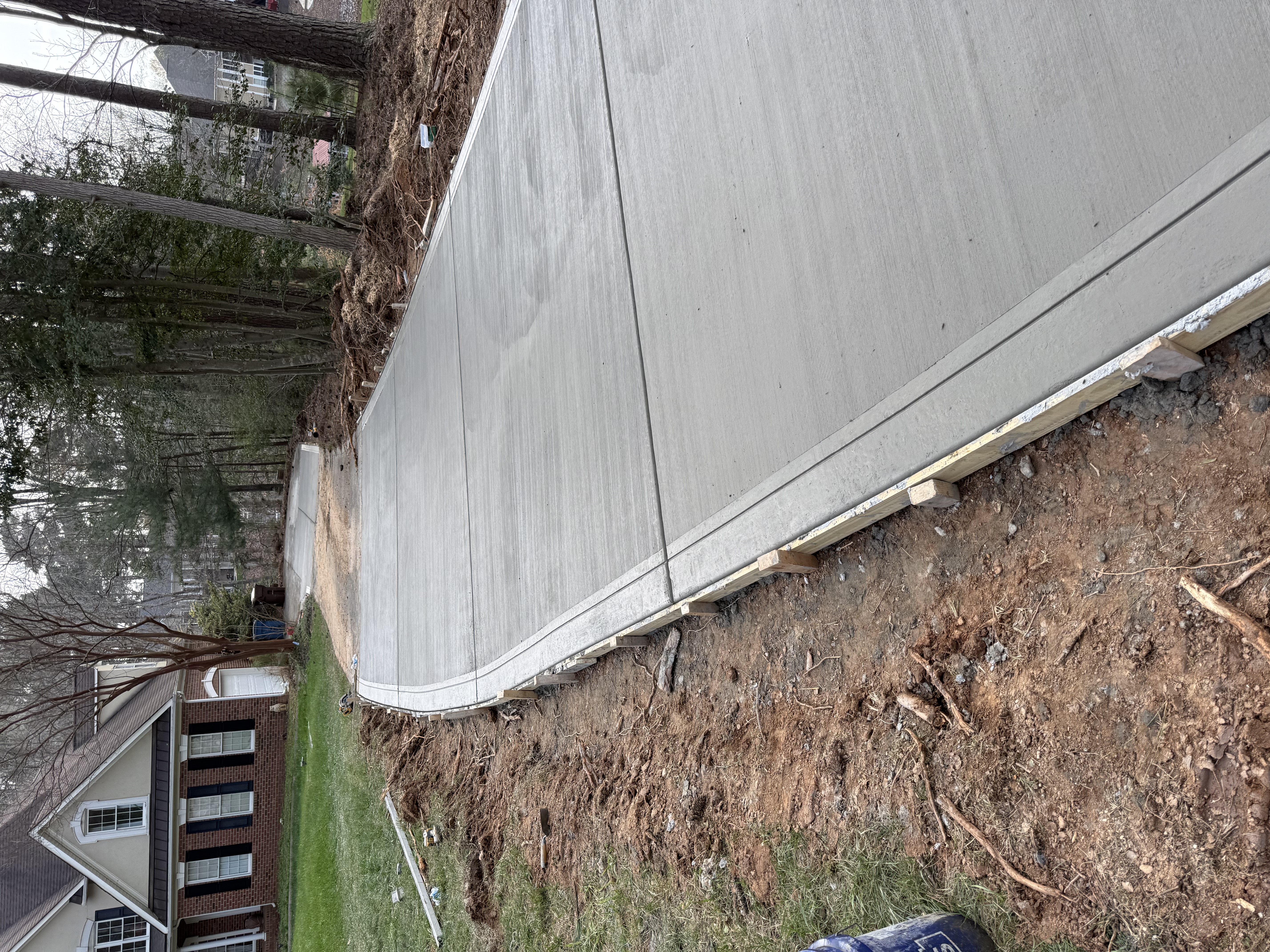
General Driveway Repair
Recent Job
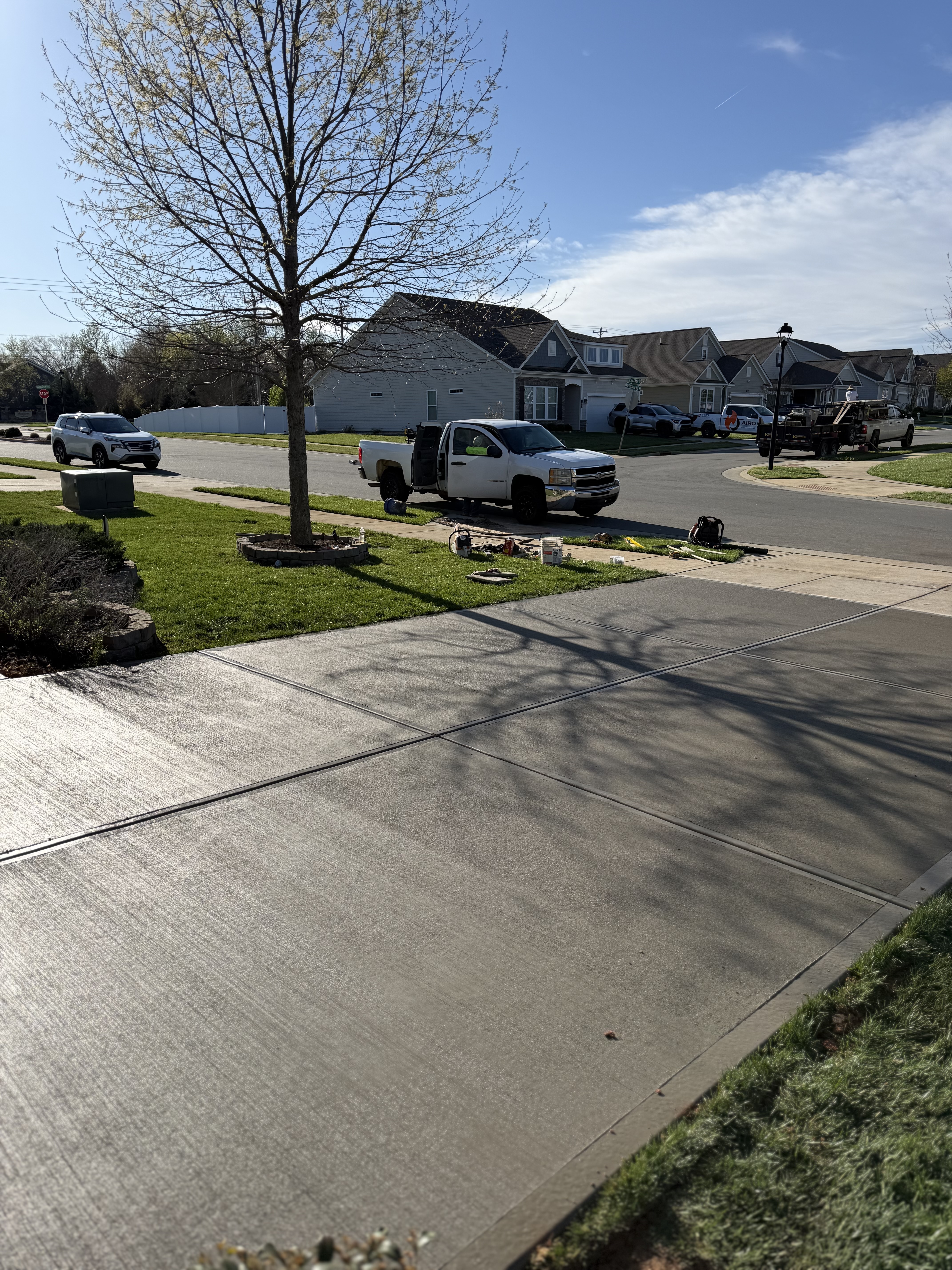
General Driveway Repair
Recent Job
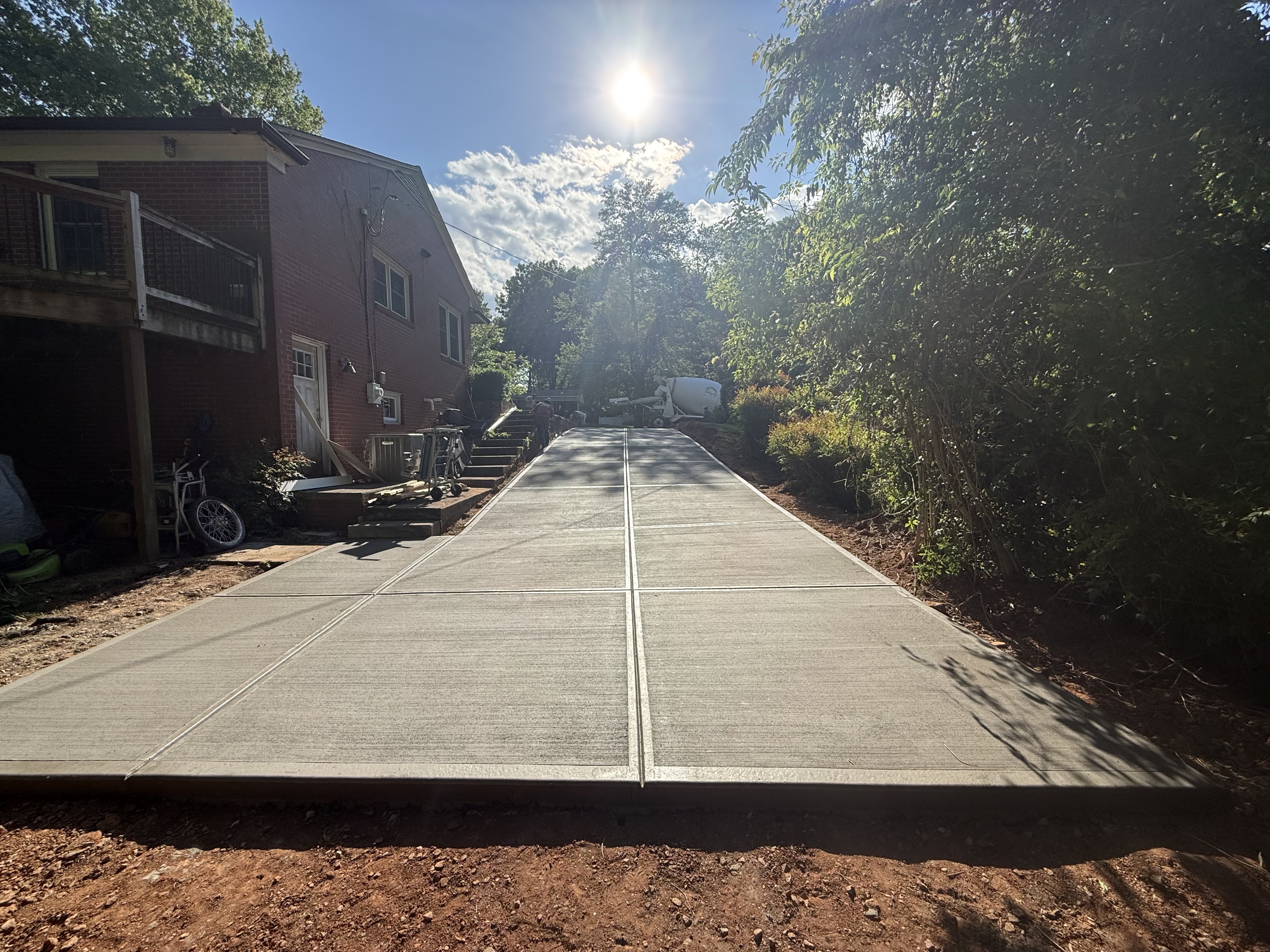
General Driveway Repair
Recent Job
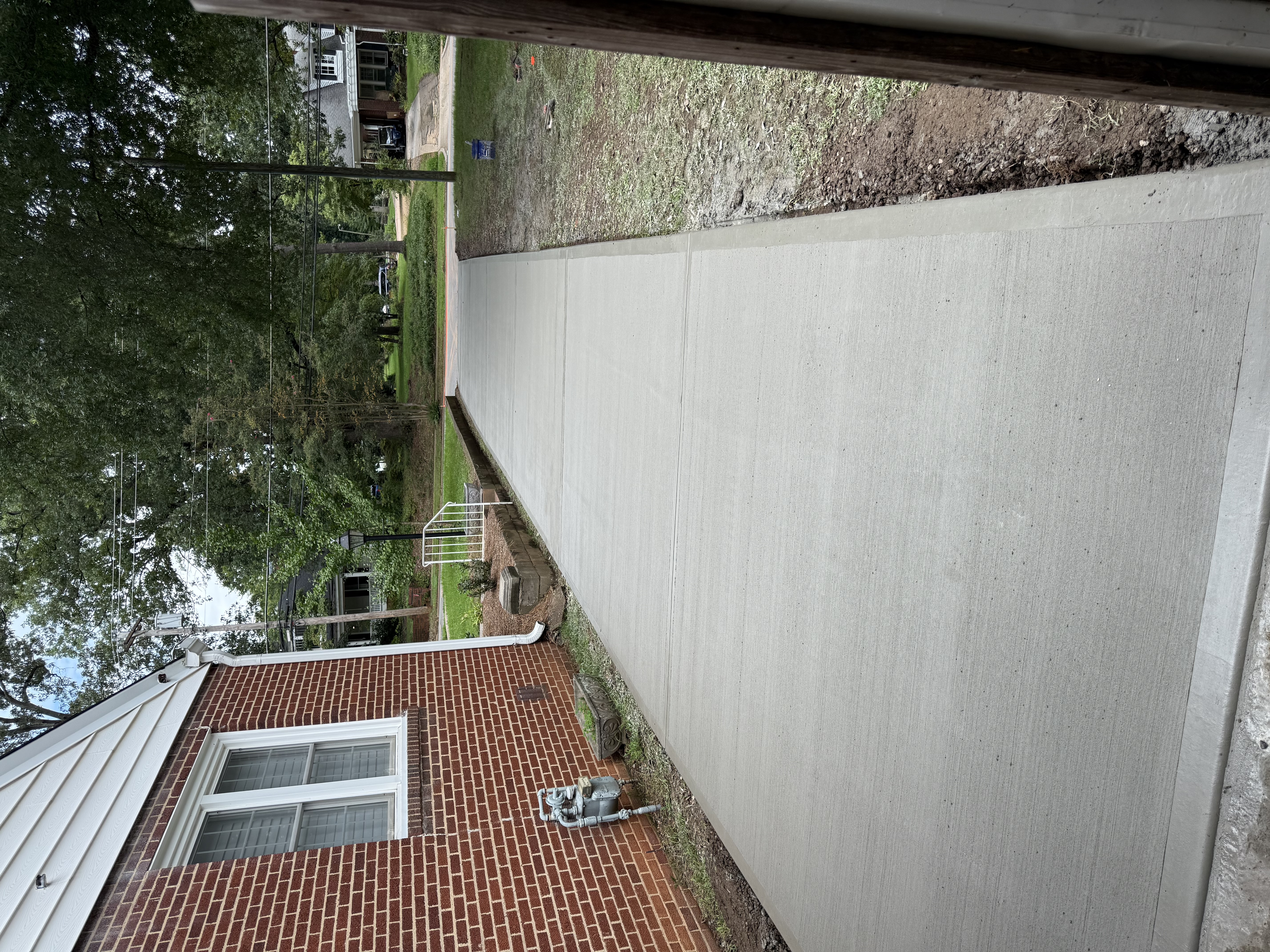
General Driveway Repair
Recent Job
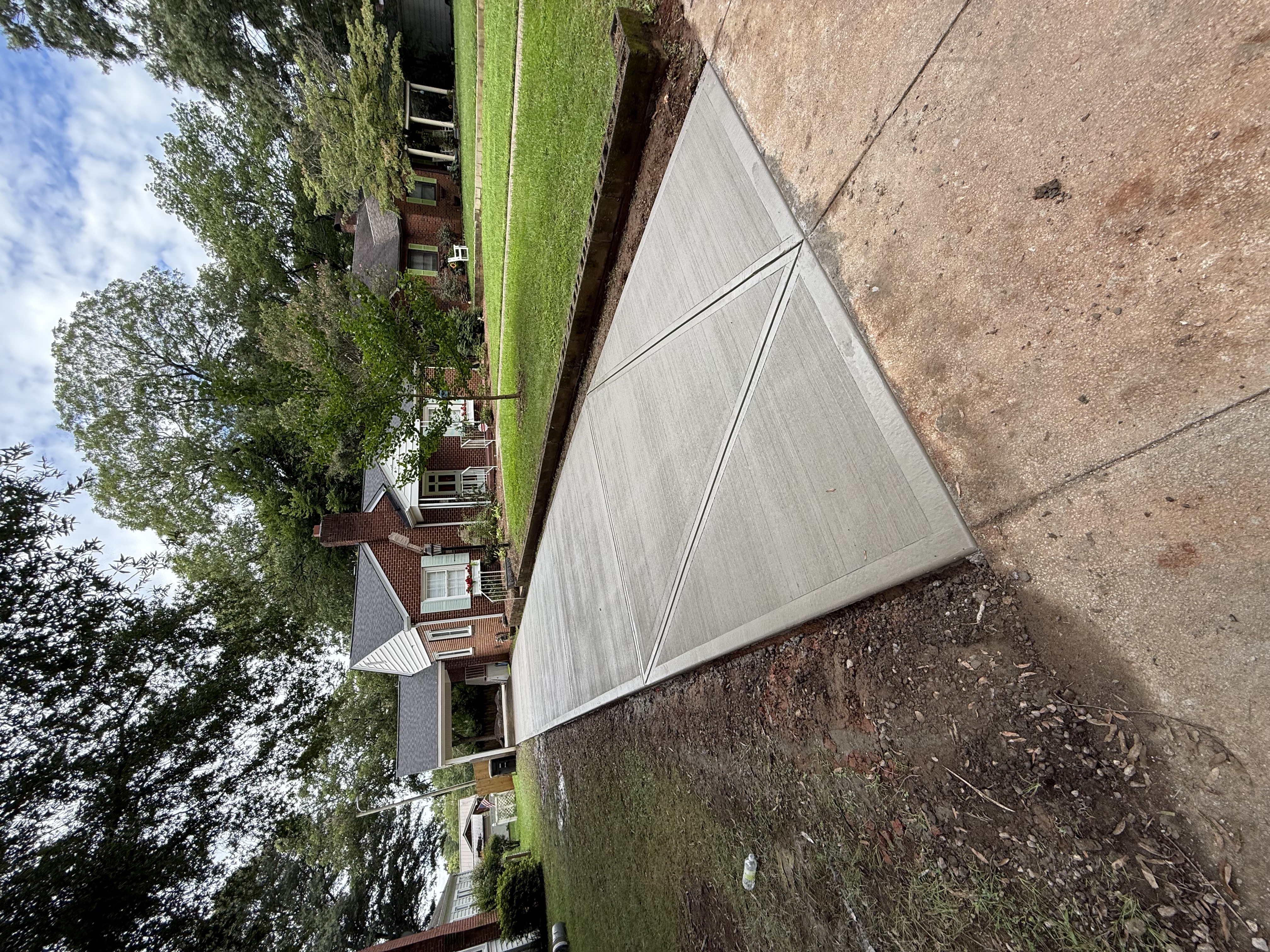
General Driveway Repair
Recent Job
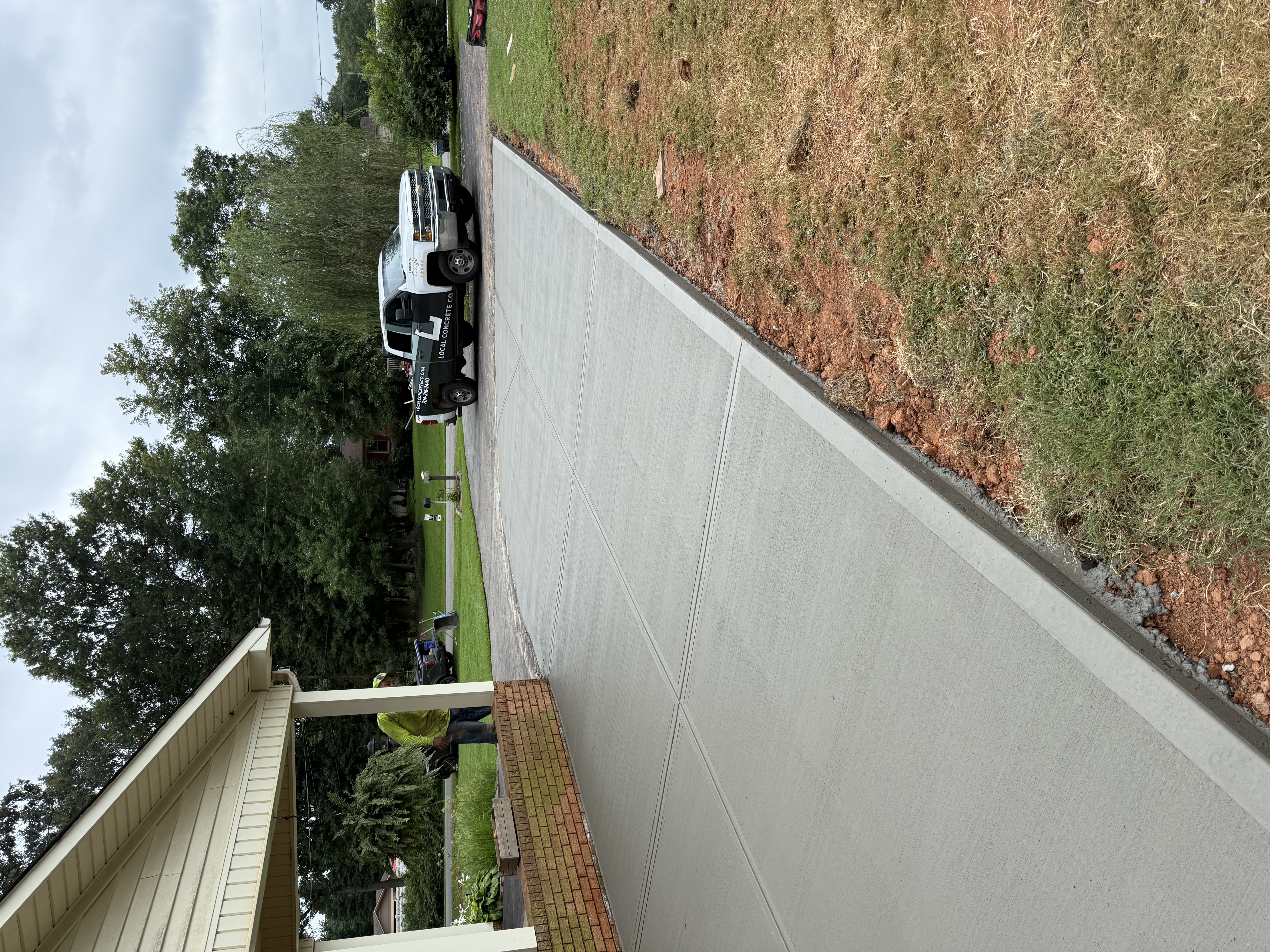
General Driveway Repair
Recent Job
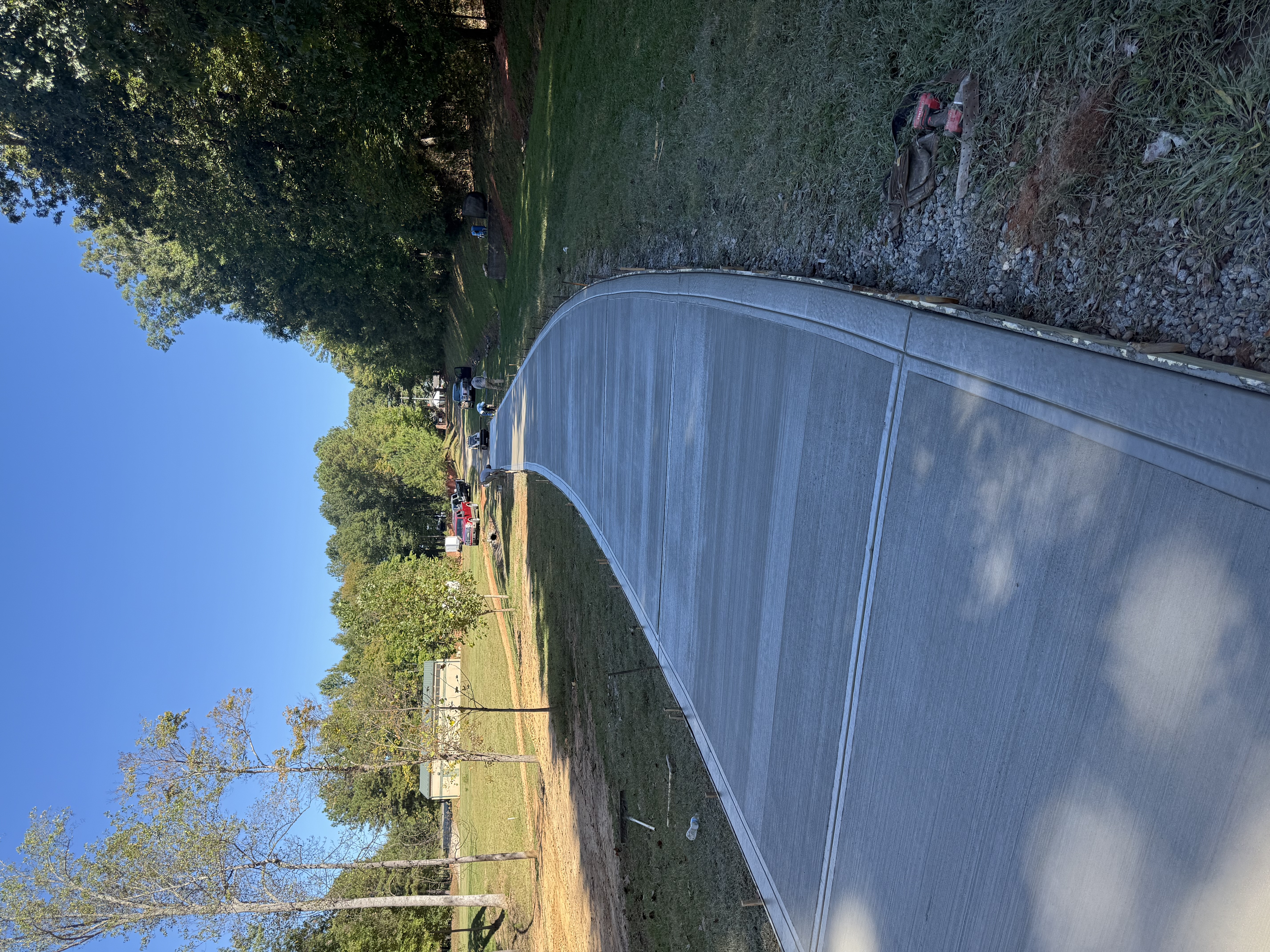
General Driveway Repair
Recent Job
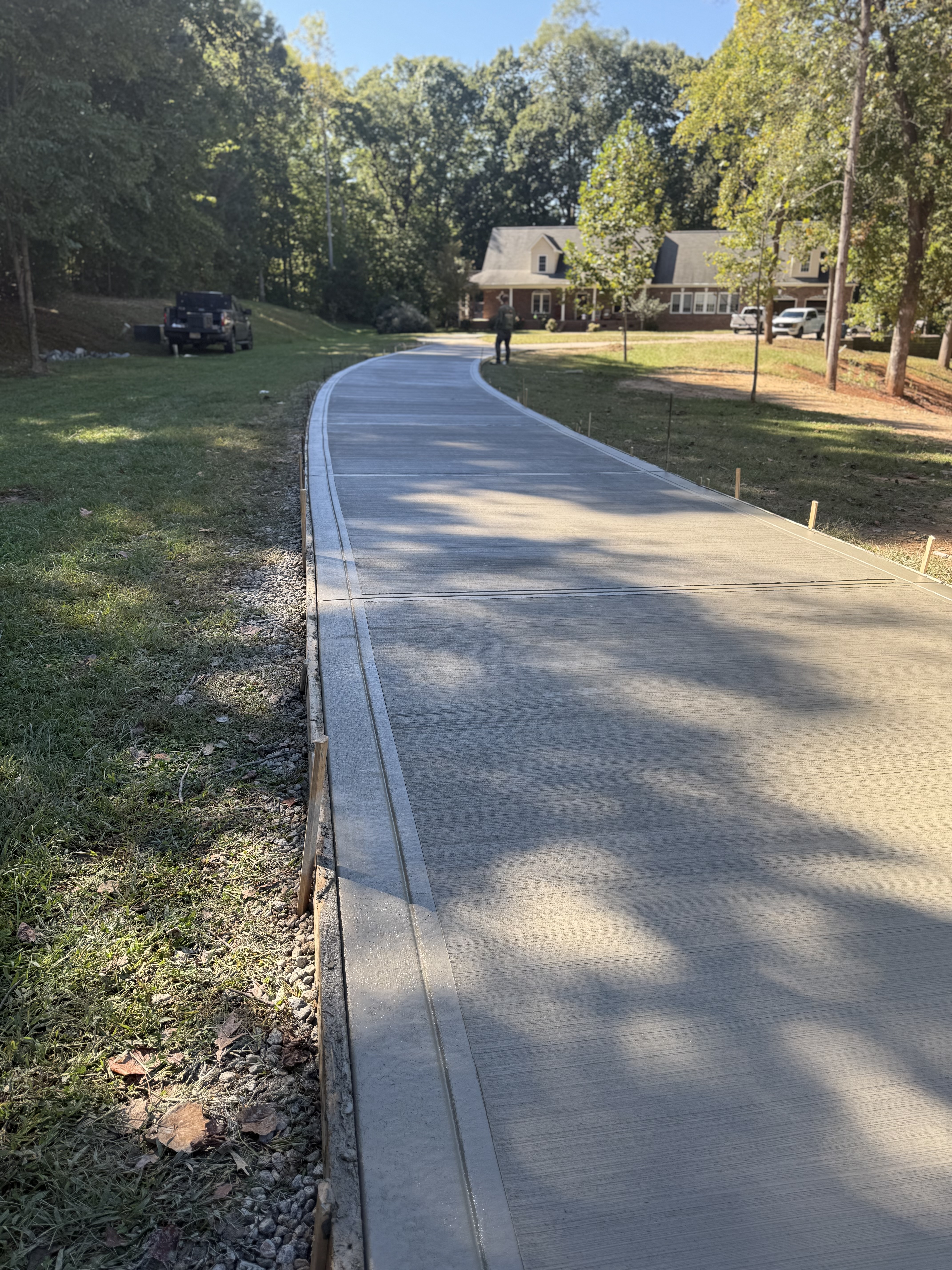
General Driveway Repair
Recent Job
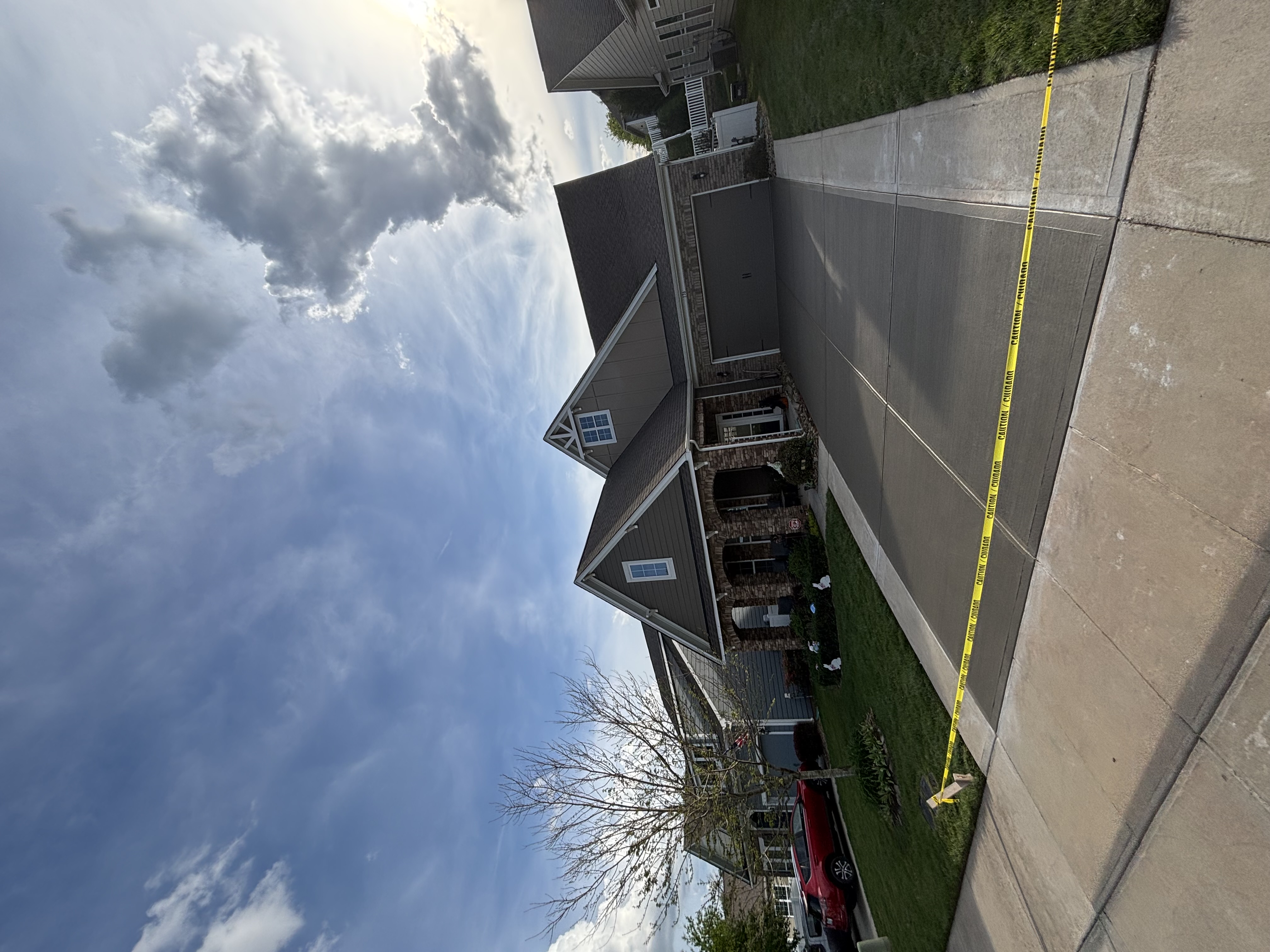
General Driveway Repair
Recent Job
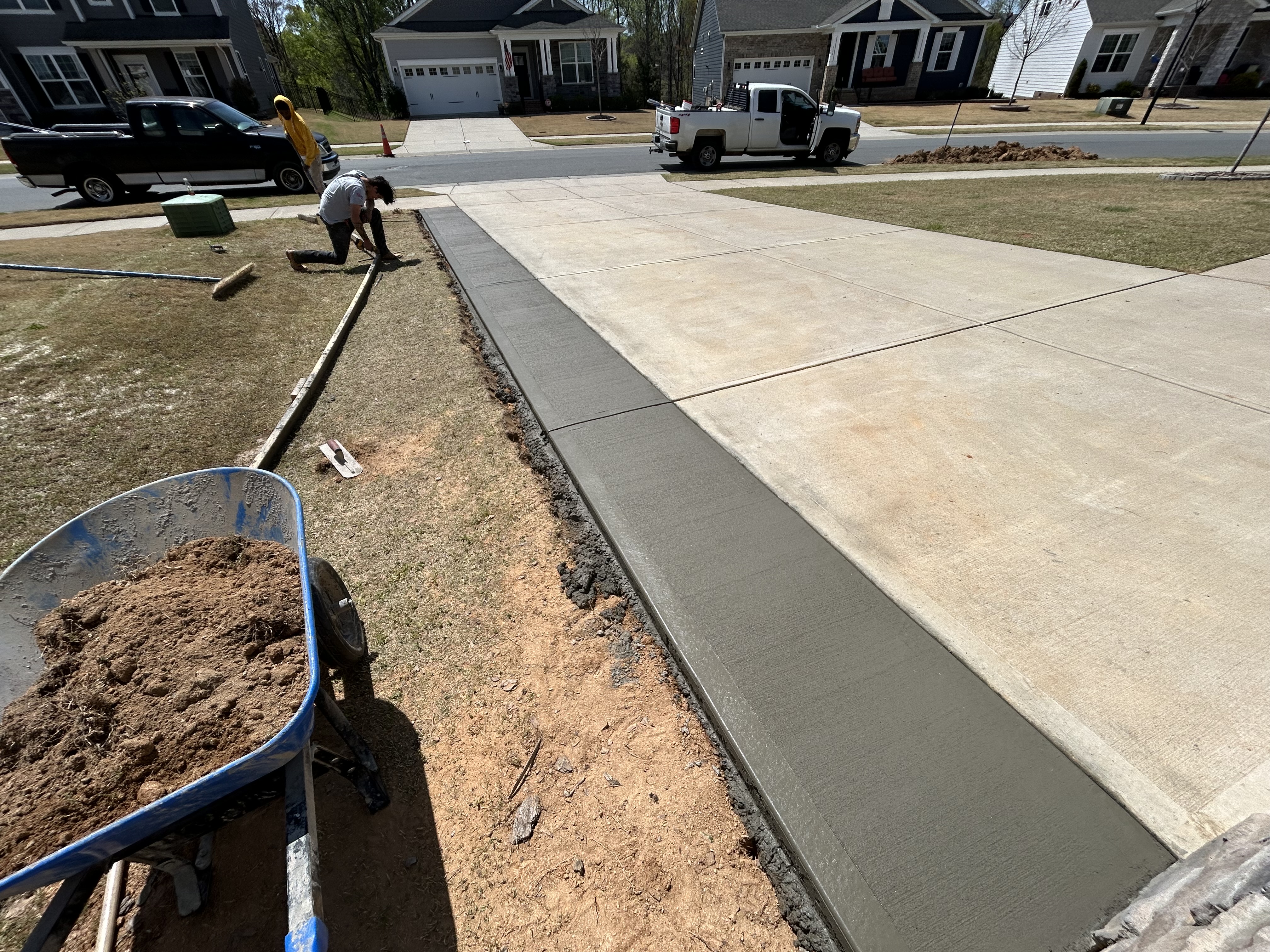
General Driveway Repair
Recent Job
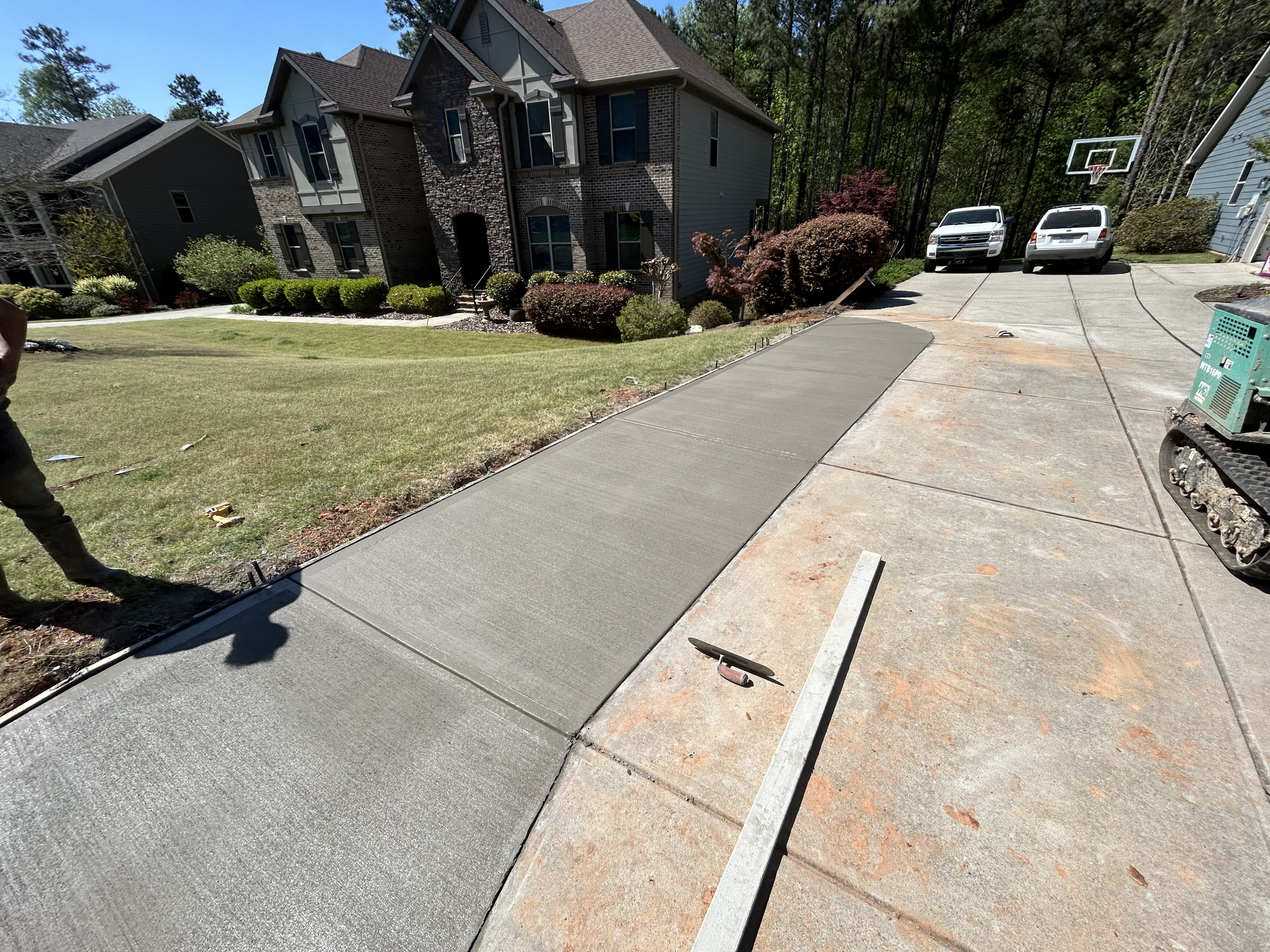
General Driveway Repair
Recent Job
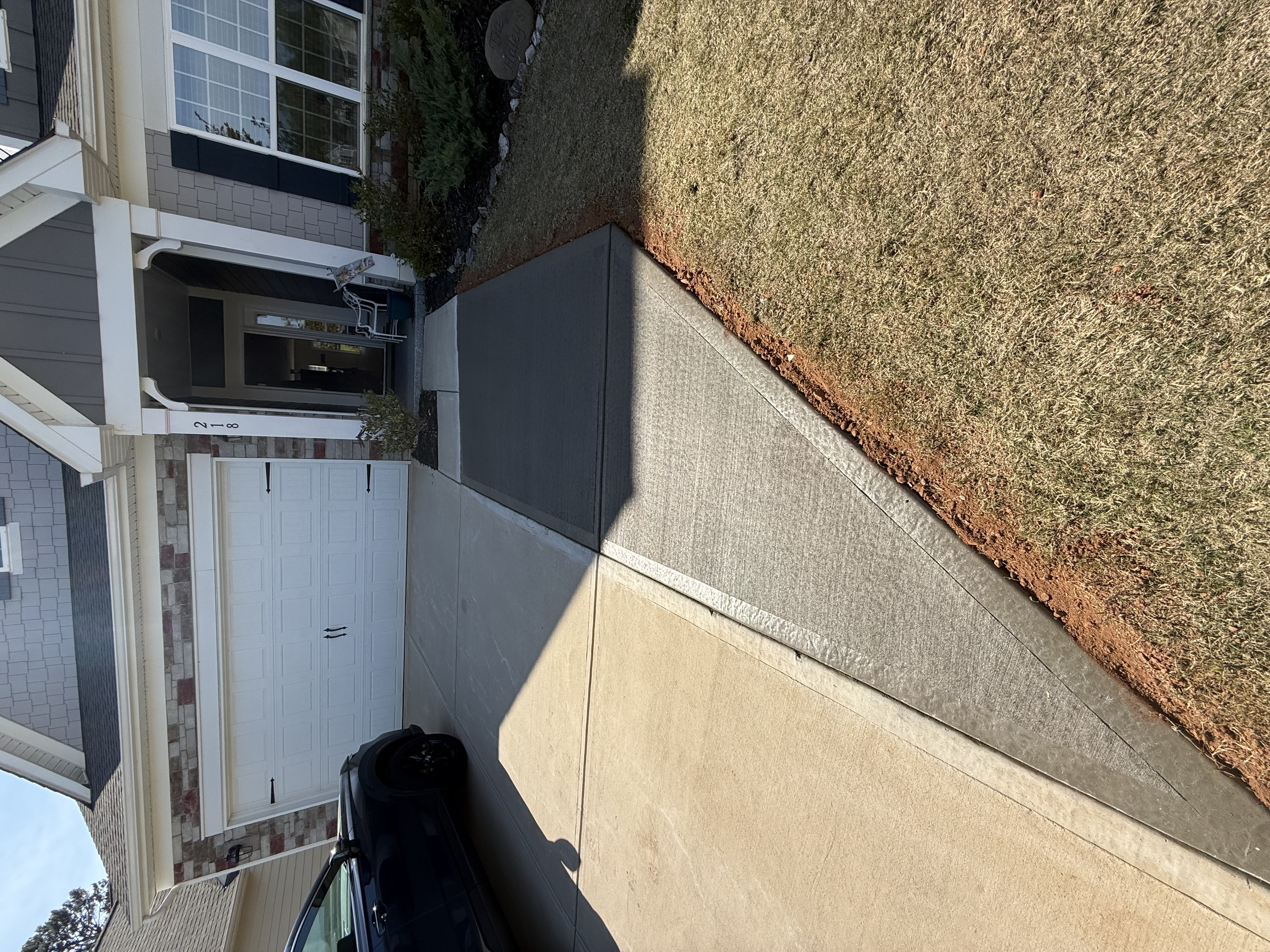
General Driveway Repair
Recent Job
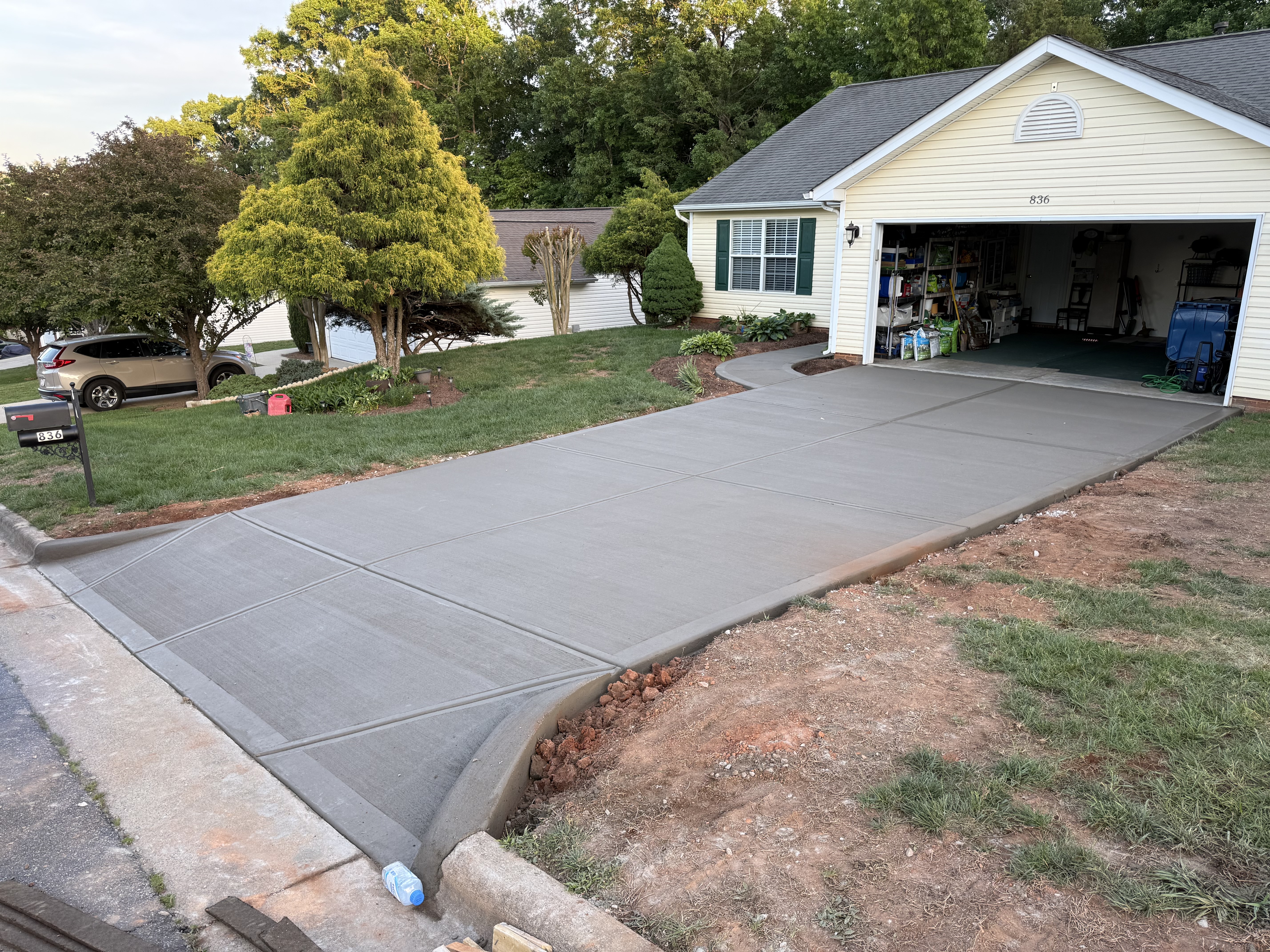
General Driveway Repair
Recent Job
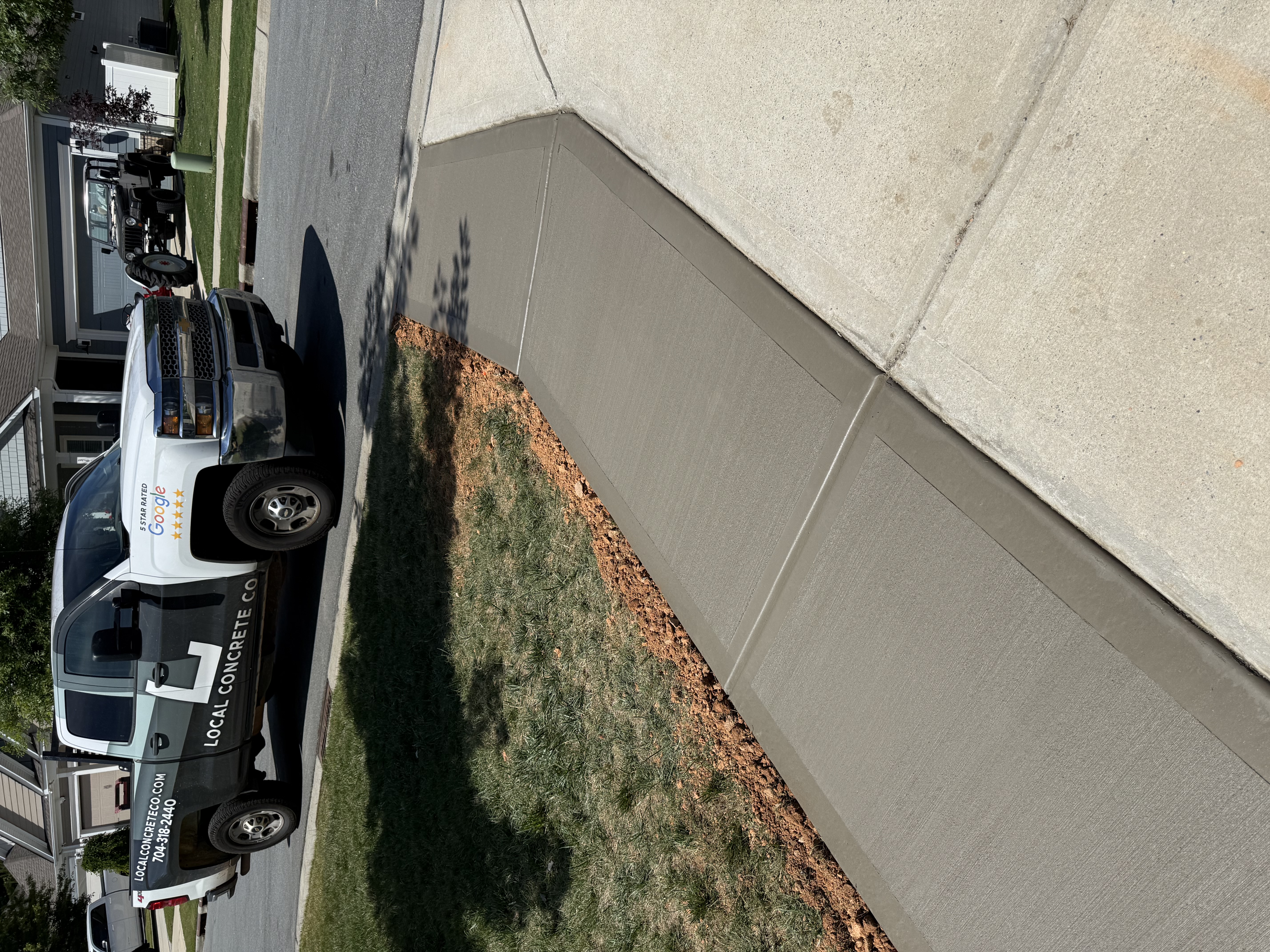
General Driveway Repair
Recent Job
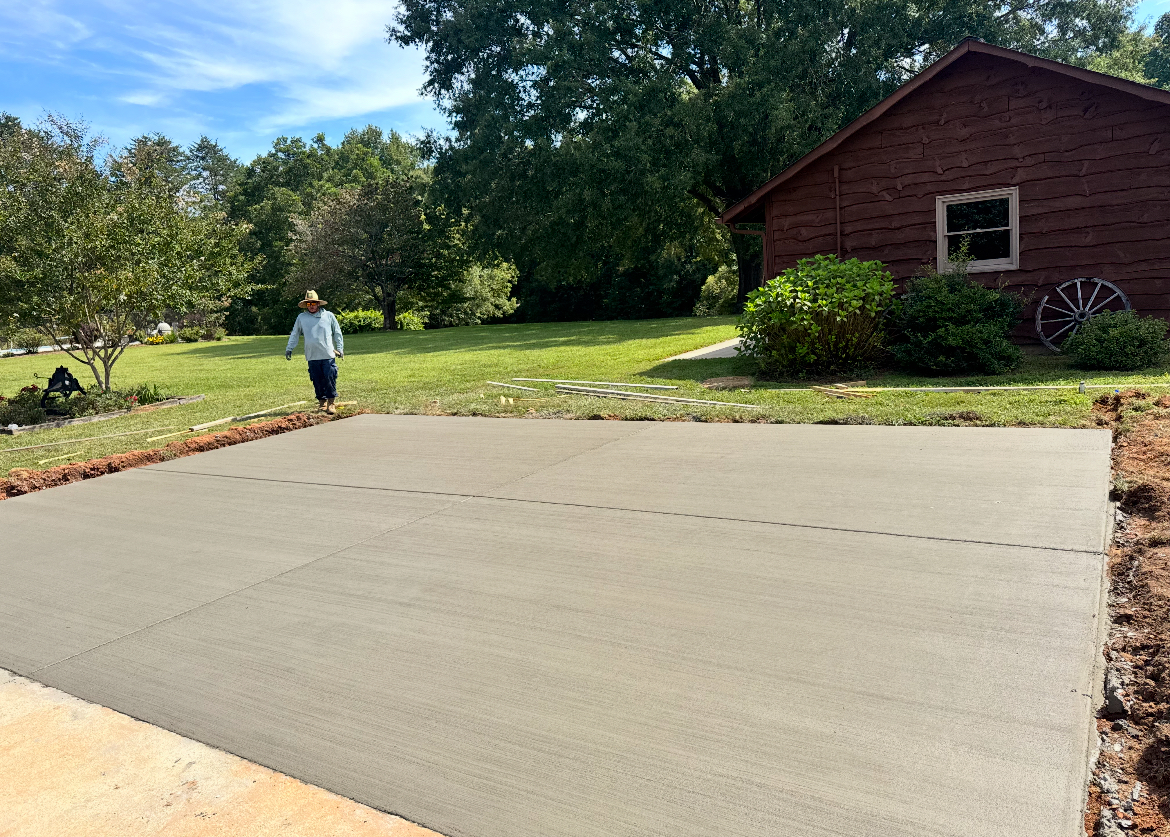
General Driveway Repair
Recent Job
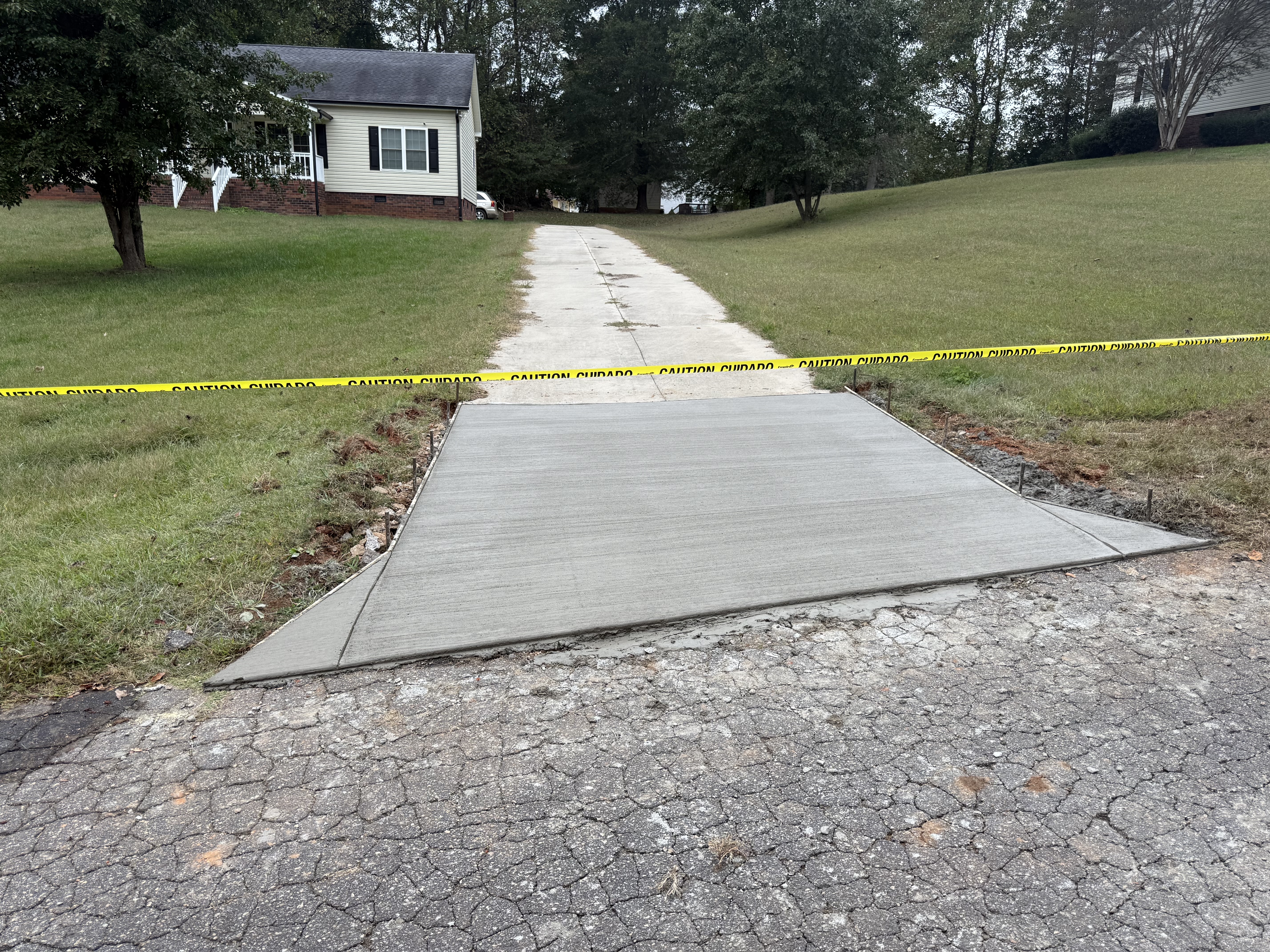
General Driveway Repair
Recent Job
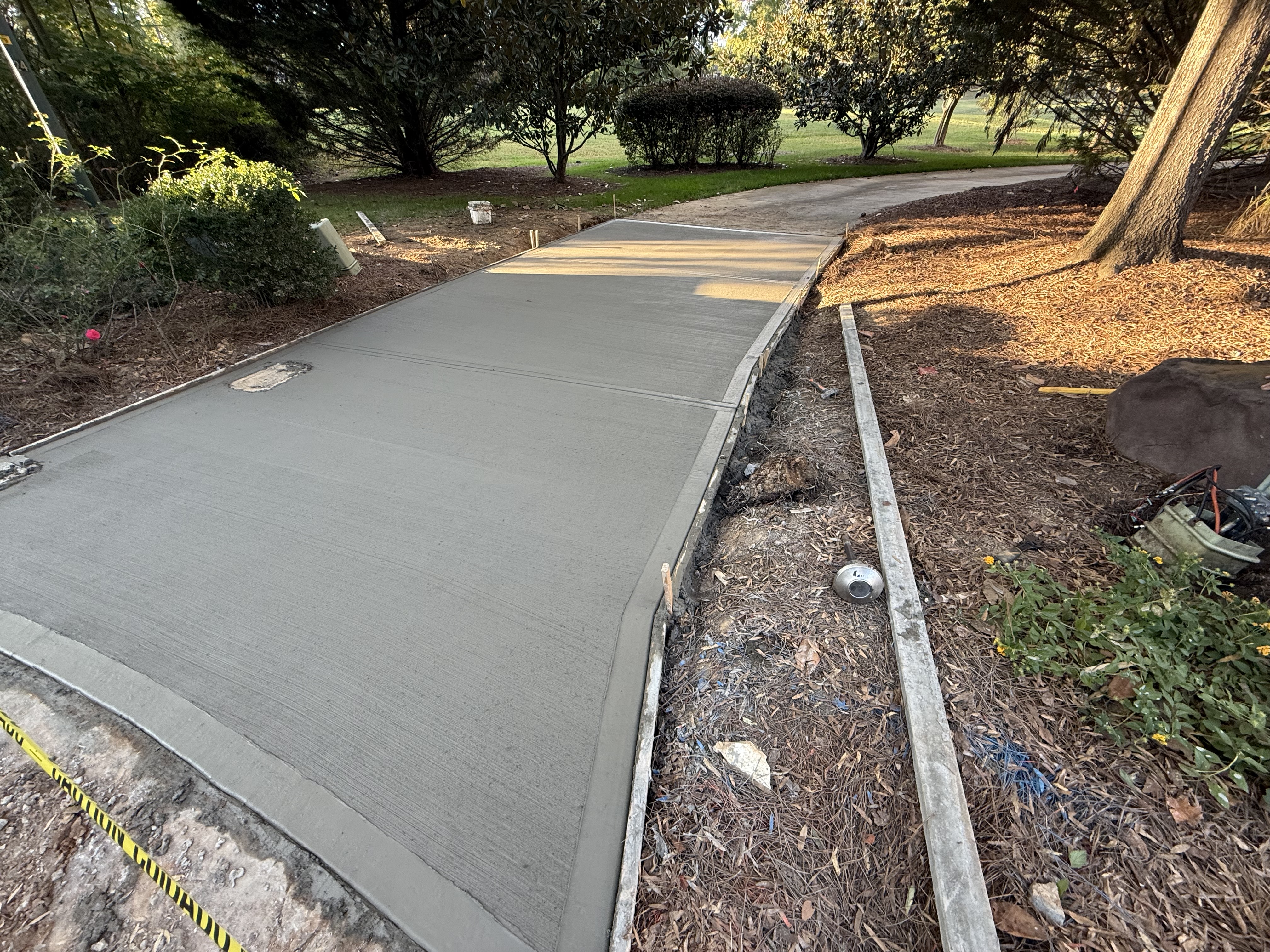
General Driveway Repair
Recent Job
Driveways We've Replaced
Drag the slider to see the same driveway before demo and after we poured the replacement. Every pair below is a real project — no stock imagery.
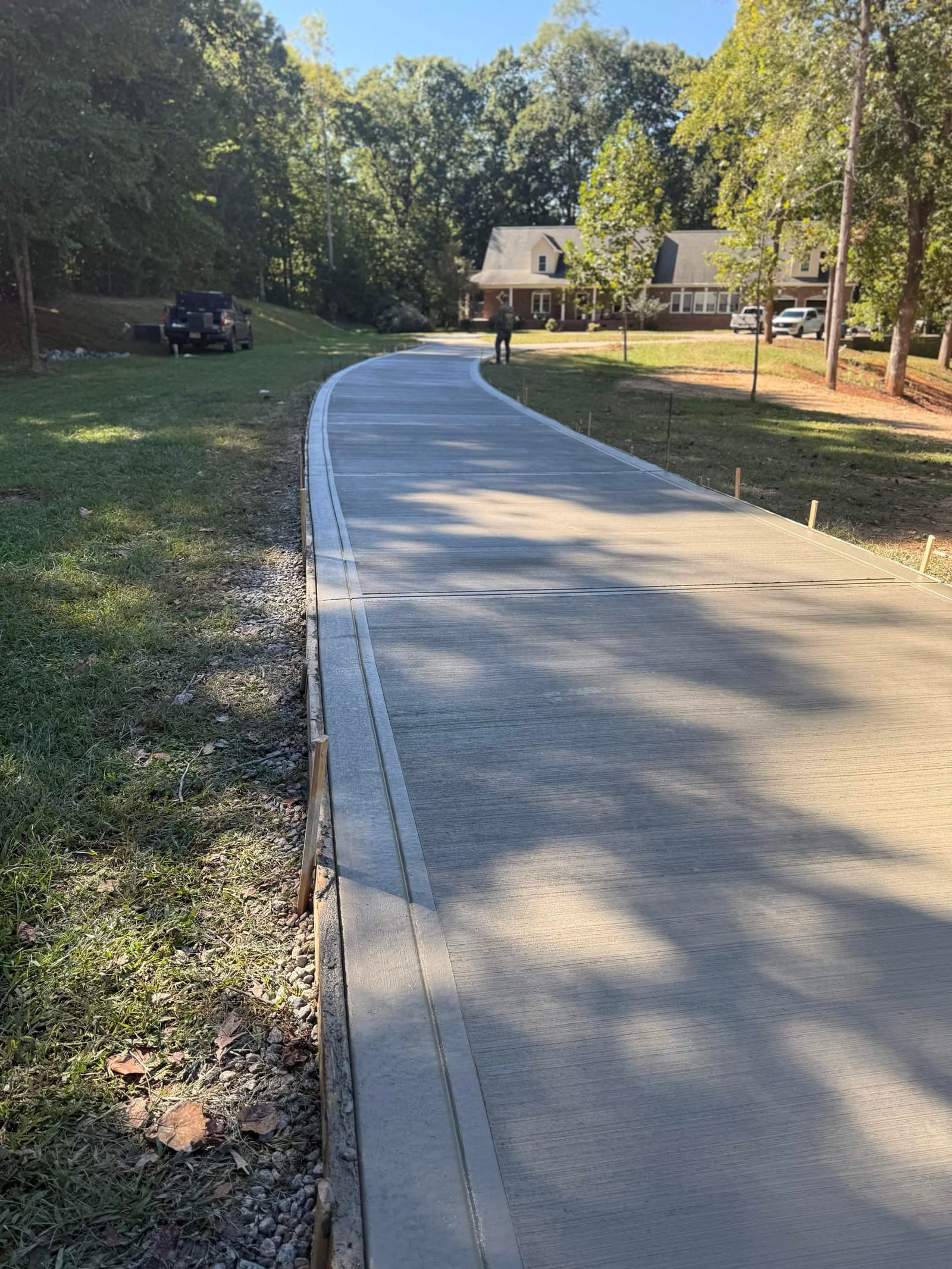

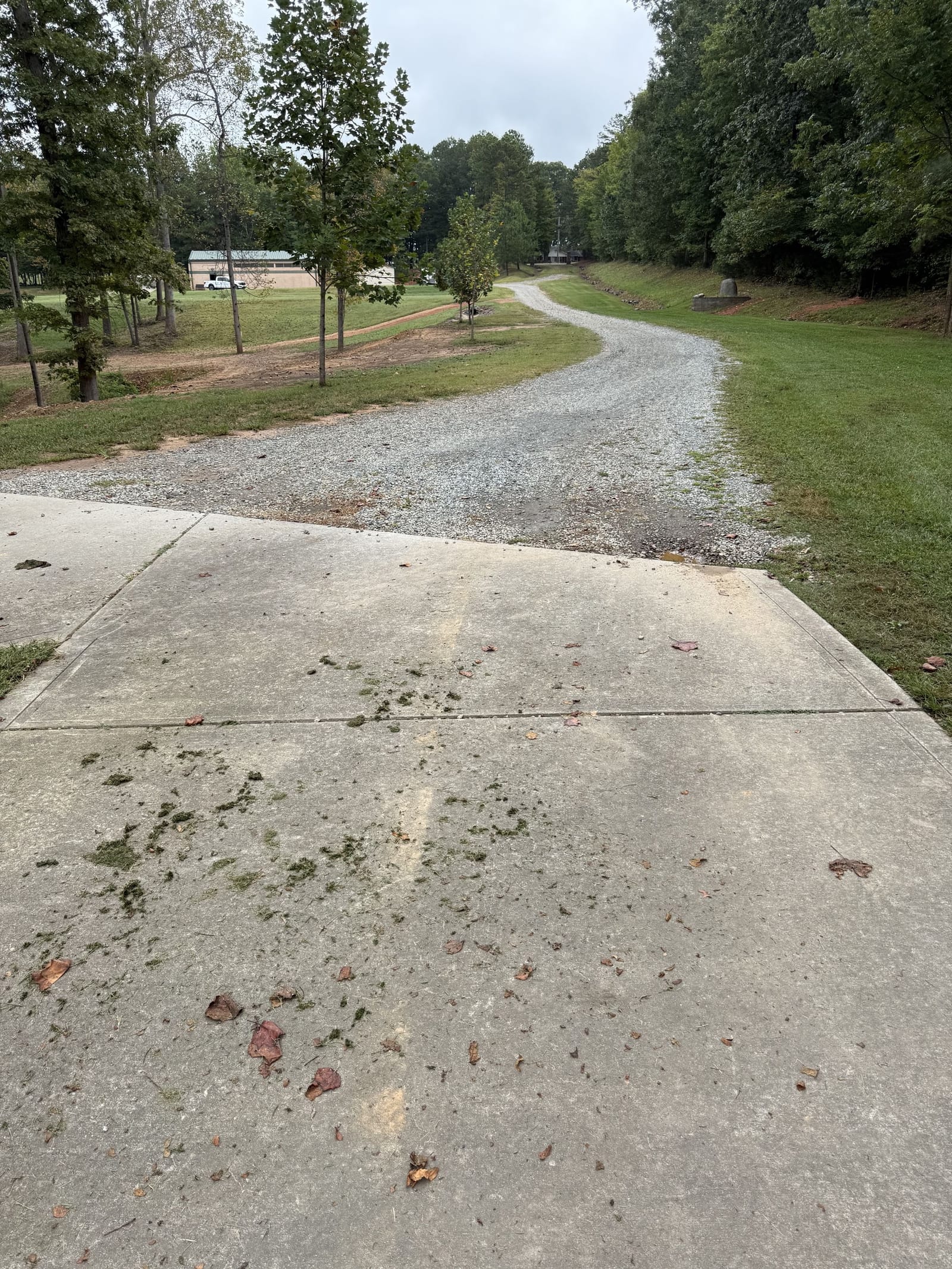
Full Residential Replacement
Old slab out, fresh pour with new apron tie-in
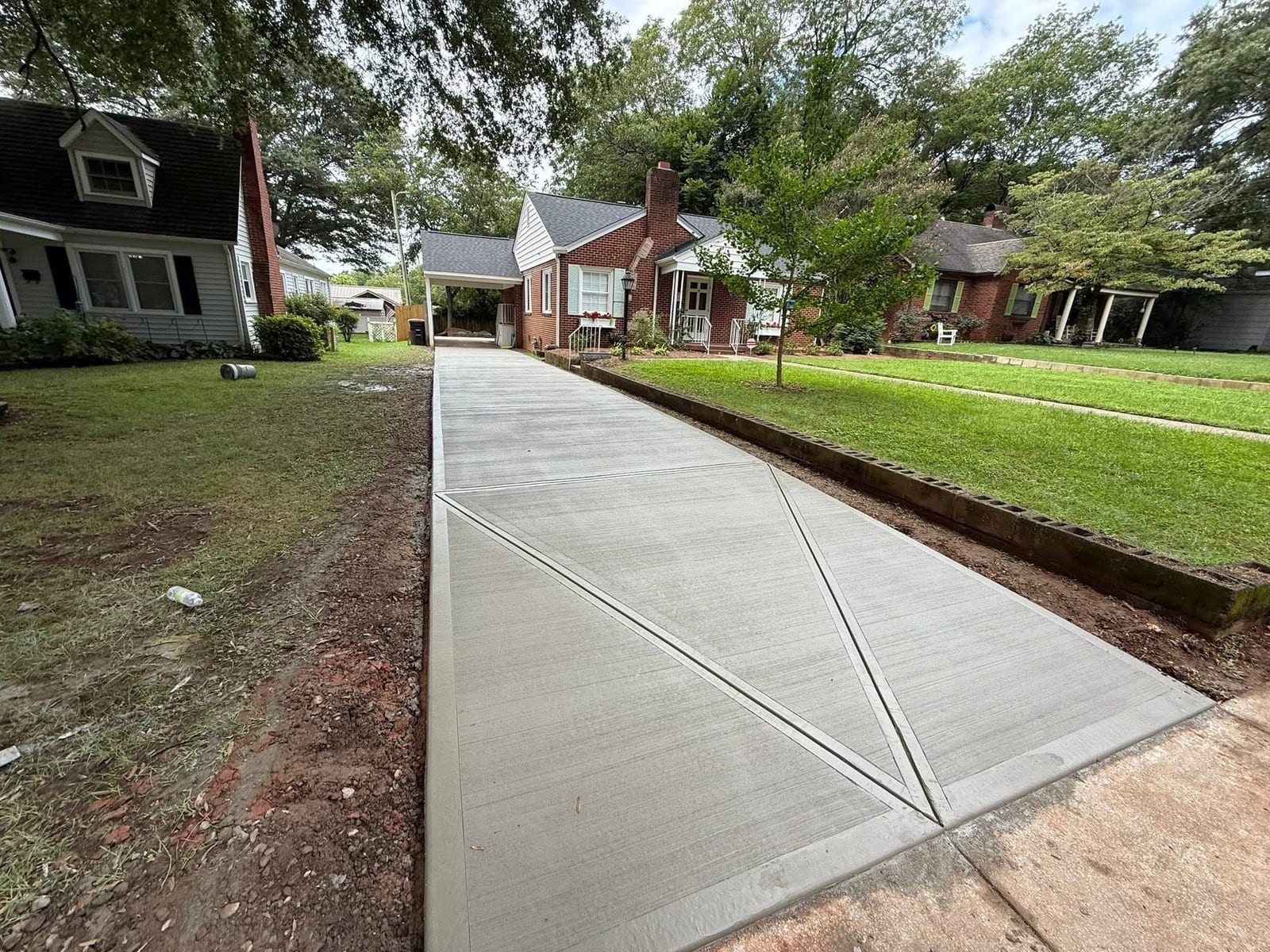
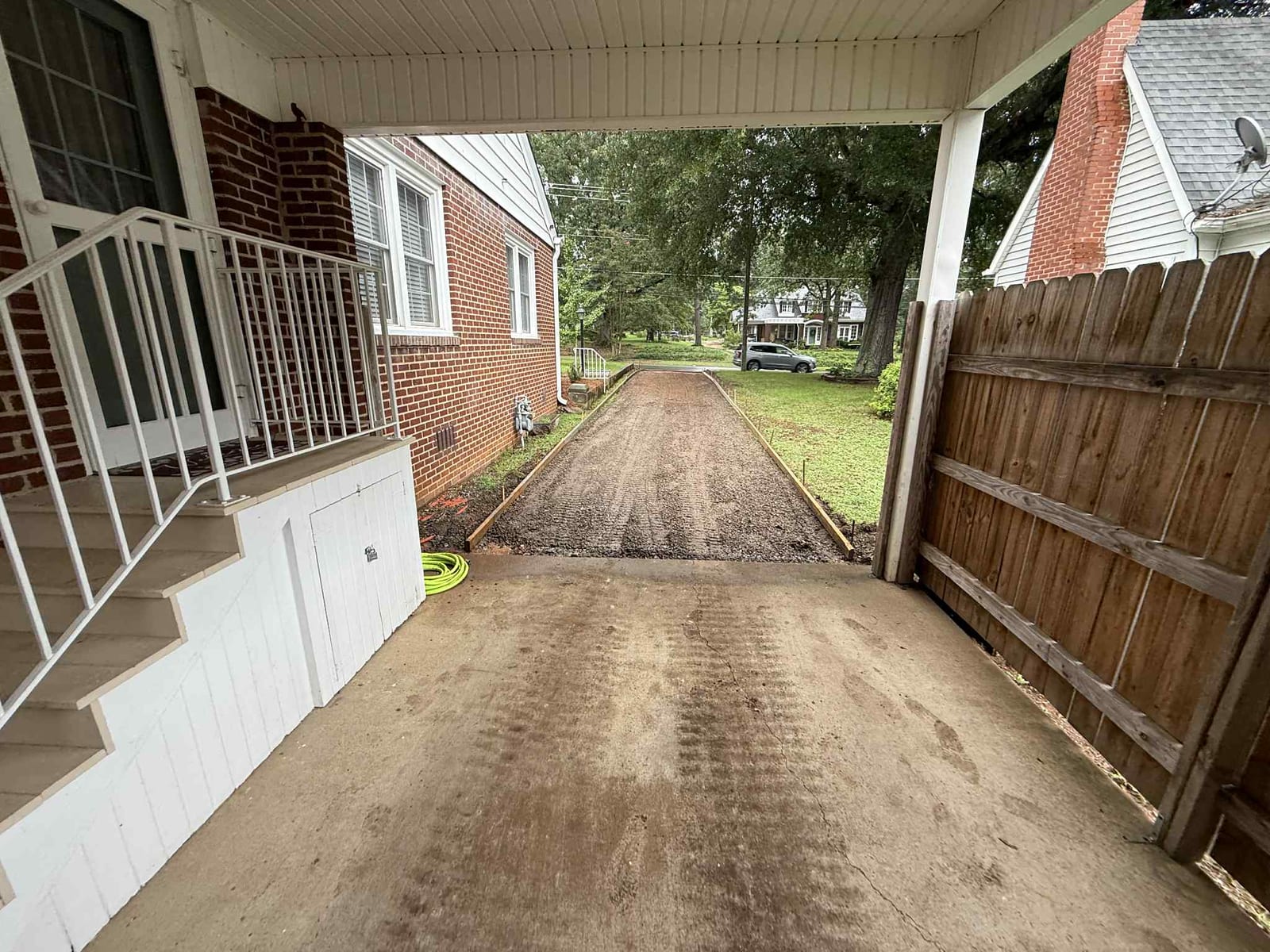
Driveway Revamp
Tear-out, re-grade, decorative border on broom field
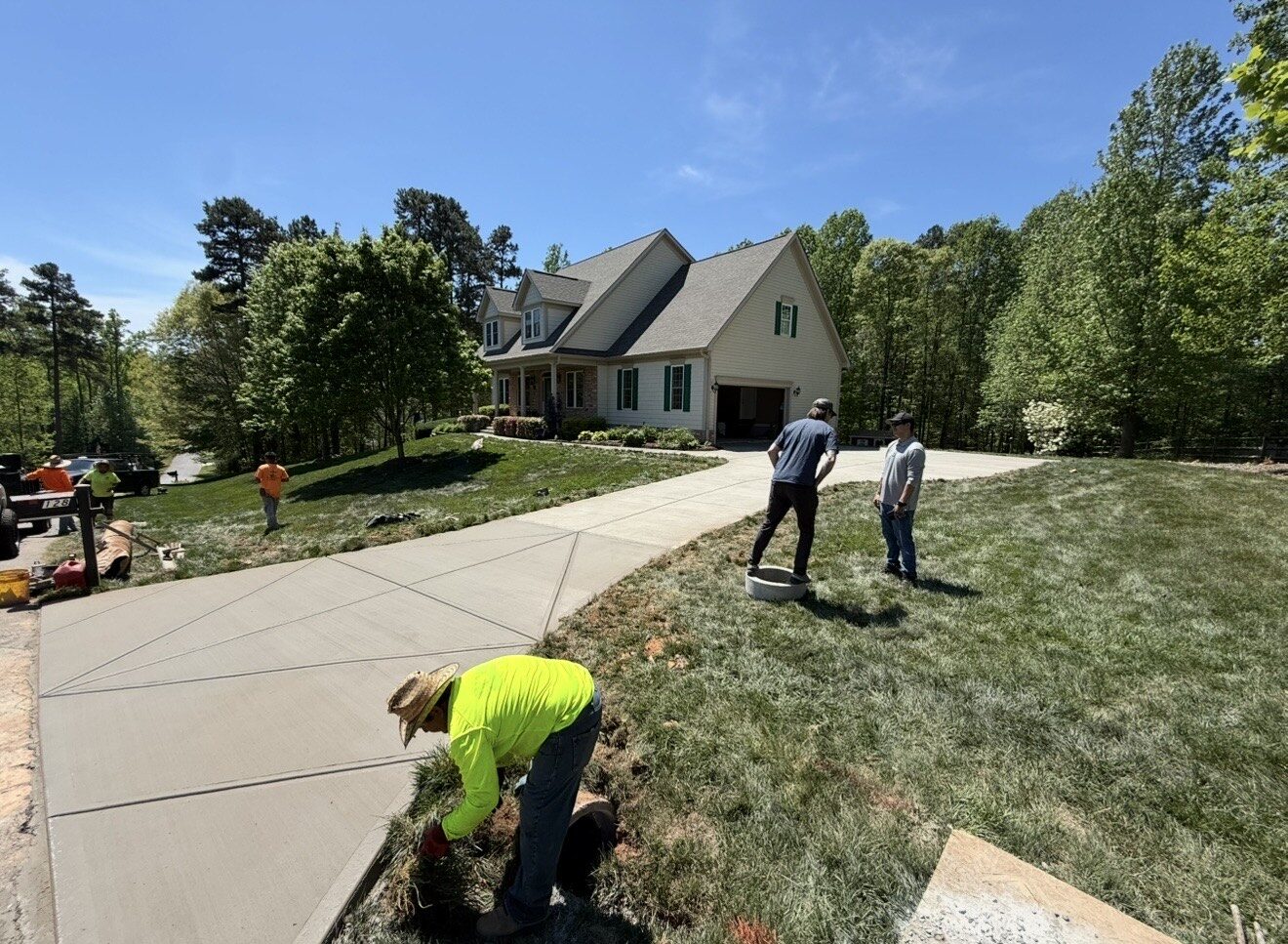
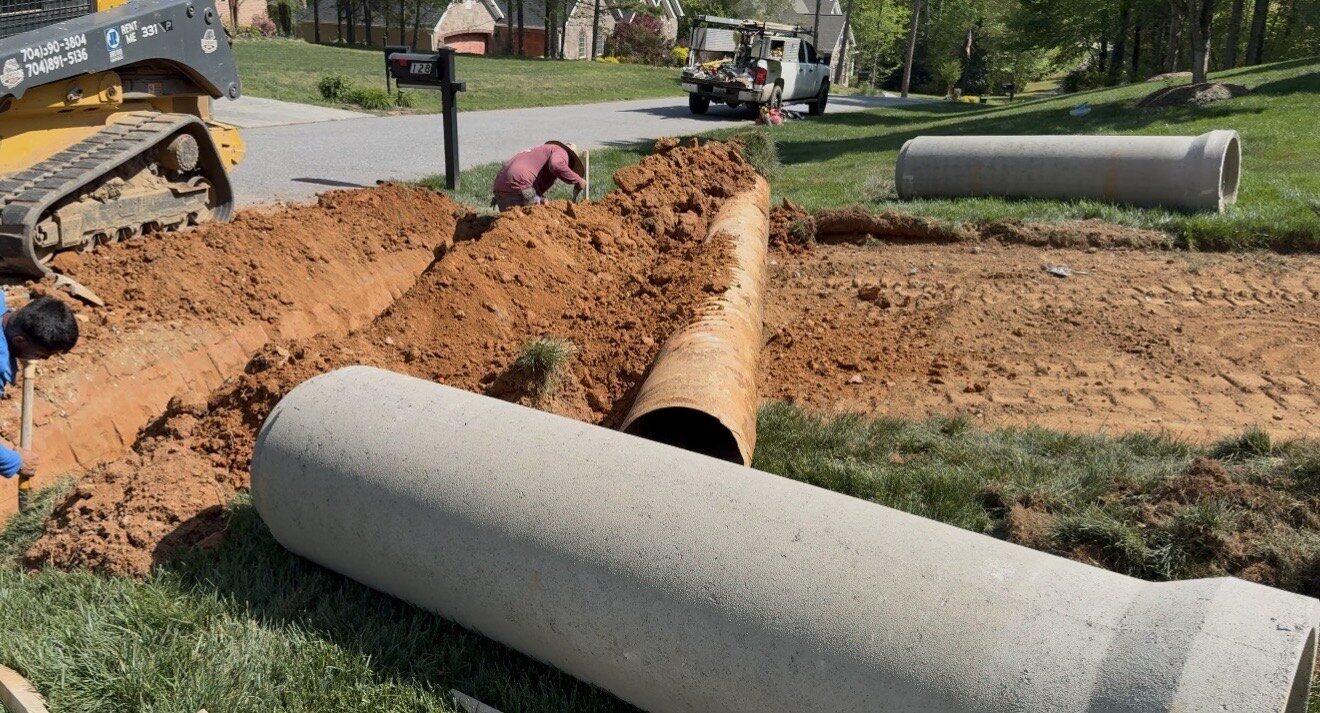
Failed Slab Replacement
Cracked and heaved slab replaced with new pour
Driveway repair covers a wide range of scopes—crack routing, spalling patches, joint sealant refresh, apron rebuilds, panel replacement, and slab-jacking on settled panels. The right repair depends less on the visible defect and more on the underlying slab and base condition. A quarter-inch crack on an eight-year-old drive with intact base is a straightforward sealing job. The same crack on a 25-year-old drive with widespread spider-webbing and apron settlement is a symptom of a slab that is coming apart, and any repair on it just resets the failure clock without extending real service life.
Local Concrete Contractor scopes driveway repair across North Carolina starting with a walk of the whole drive, not just the section the homeowner pointed at. We look at slab age, crack pattern, spalling depth, joint condition, panel plane, apron behavior, drainage, and whether nearby panels show early signs of the same failure. That walk turns into a written spec listing which repairs will hold, which are not worth the money, and what the honest ten-year outlook is if only repair happens versus full replacement. Both numbers go on the same quote. No deposit up front, no pressure.
Our Driveway Repair Services
Repair scopes fall into several distinct categories, and each one carries different life-extension math depending on how the rest of the drive is behaving.
- Crack routing and sealing—widening a crack to a clean profile with a saw, then filling with flexible polyurethane or epoxy sealant
- Spalling repair—removing loose surface material to sound concrete, then patching with a bonded overlay compound rated for exterior traffic
- Joint sealant refresh—clearing old failed sealant, installing new backer rod and self-leveling sealant in control and expansion joints
- Panel replacement—cutting out one failed panel to the nearest control joints and pouring a fresh one with doweled tie-ins
- Apron replacement when the road-tie section has failed but the rest of the drive is holding
- Slab-jacking or foam lift for settled but structurally intact panels
- Surface grinding to remove trip hazards on panels that have heaved slightly out of plane
- Full-depth patch for isolated blowouts, impact damage, or utility cuts
- Drainage correction where water has been undermining the base at a specific spot
Which of these actually buys life depends on the underlying slab condition, not the size of the visible defect. That is the first thing we look at on the walk-through.
Which Repairs Buy Time and Which Do Not
The honest distinction between real life extension and cosmetic delay comes down to whether the underlying slab and base are still intact.
- Real life extension: crack routing and sealing on cracks under a quarter-inch on a stable slab; joint sealant refresh on a drive that still has intact panels; panel replacement on one or two failed panels where the rest of the drive is sound; apron-only replacement when the failure is confined to the road tie-in; slab-jacking on settled but uncracked panels
- Cosmetic delay only: thin overlays on spider-webbed slabs; cosmetic patching on drives with base failure; sealant work on drives with panels out of plane by more than half an inch; any repair on a drive past 25 years old showing three or more failure signs at once
- Not worth the money: repairs on cracks wider than a quarter-inch that have already been filled once and reopened; overlay coatings on drives with active subgrade movement; grinding trip hazards on panels that have settled more than half an inch
Repair math works when the underlying slab is going to be around long enough to justify the fix. That is usually another 5 to 15 years. When the honest life expectancy is under 5 years, repair is throwing money at a slab that should be replaced.
Get your free quote
We respond in less than 2 hours.
Why Local Concrete Contractor?
- 01.Precision craftsmanship
- 02.Transparent pricing models
- 03.Dedicated project manager
- 04.Zero Deposit Required
Our Concrete Installation Process
Every general driveway repair we pour runs through the same 18 checkpoints — from the on-site consult through the final walkthrough.
Scope Walk & Written Bid
A crew lead walks the site (or reviews plans), scopes the failure mode or new pour against your operational constraints, and delivers a written fixed-price bid with milestone draw structure.

Logistics & Scheduling
Coordinating crew, equipment, and weather windows to ensure a seamless project start.
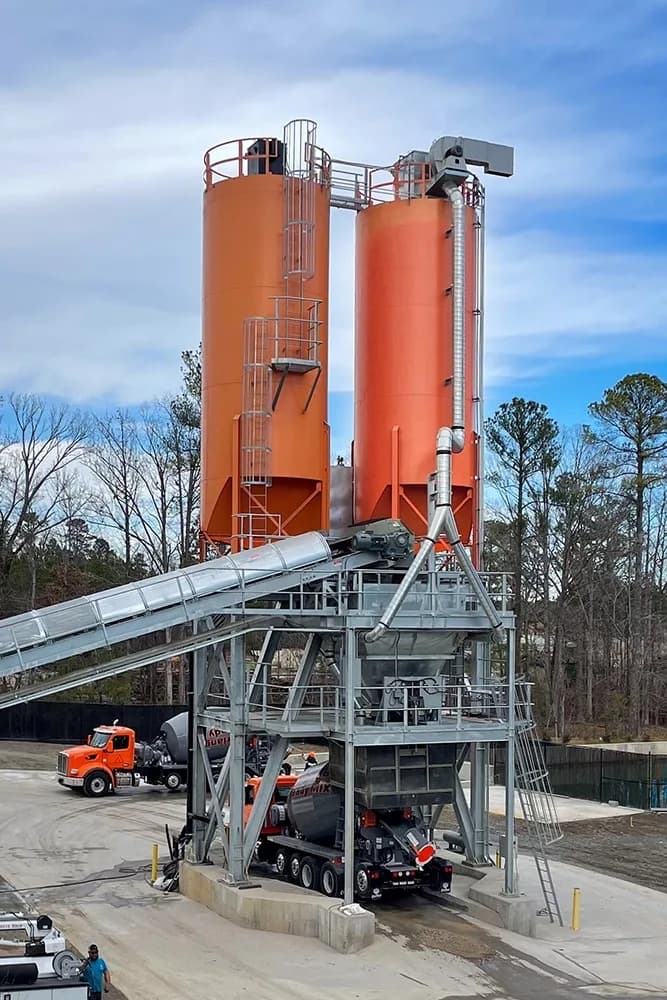
Custom Mix Design
Ordering specific concrete additives and slump requirements based on current temperature and humidity patterns.
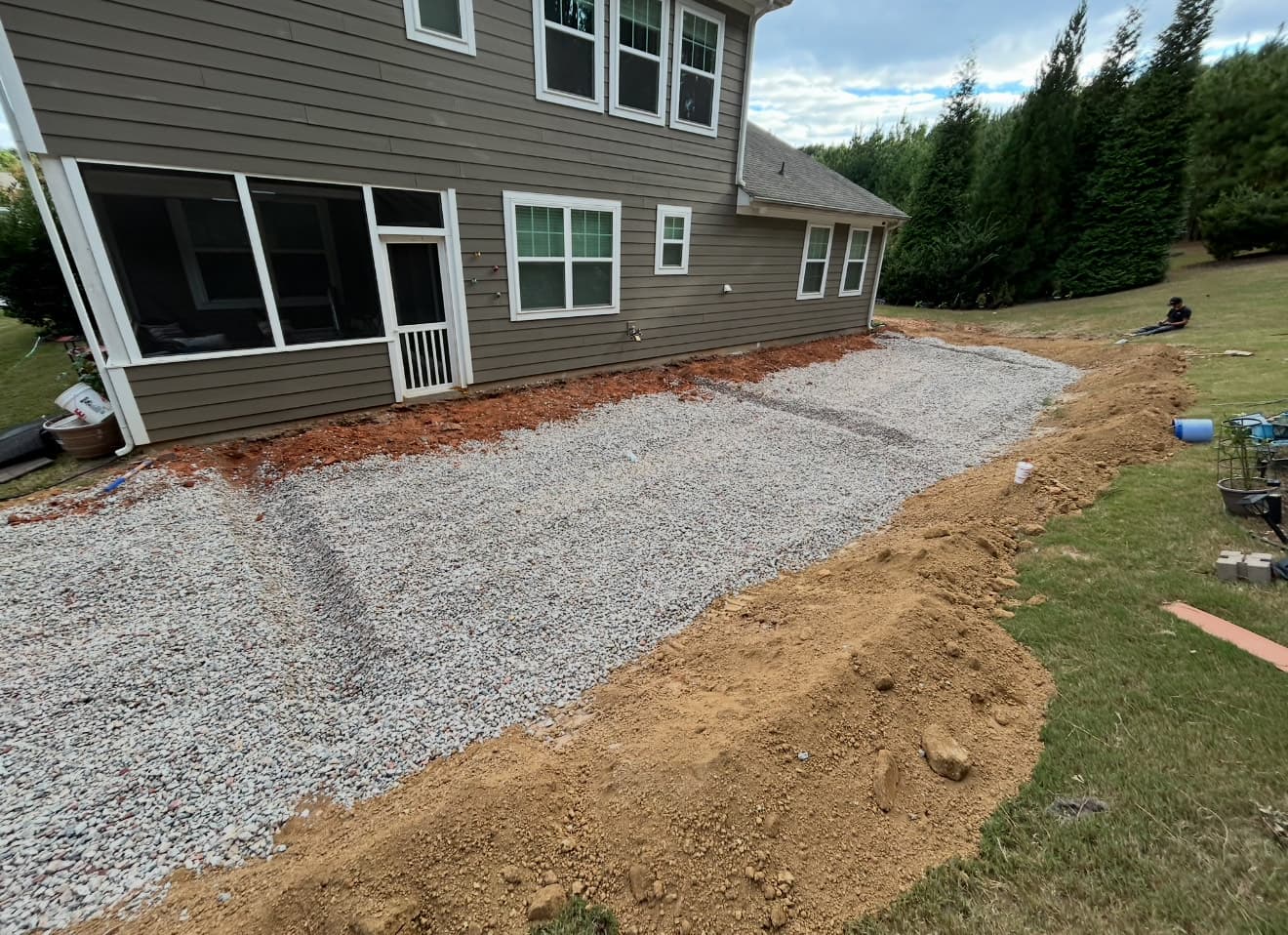
Site Preparation
Preparing the workspace and establishing safe access routes for our equipment and crew.
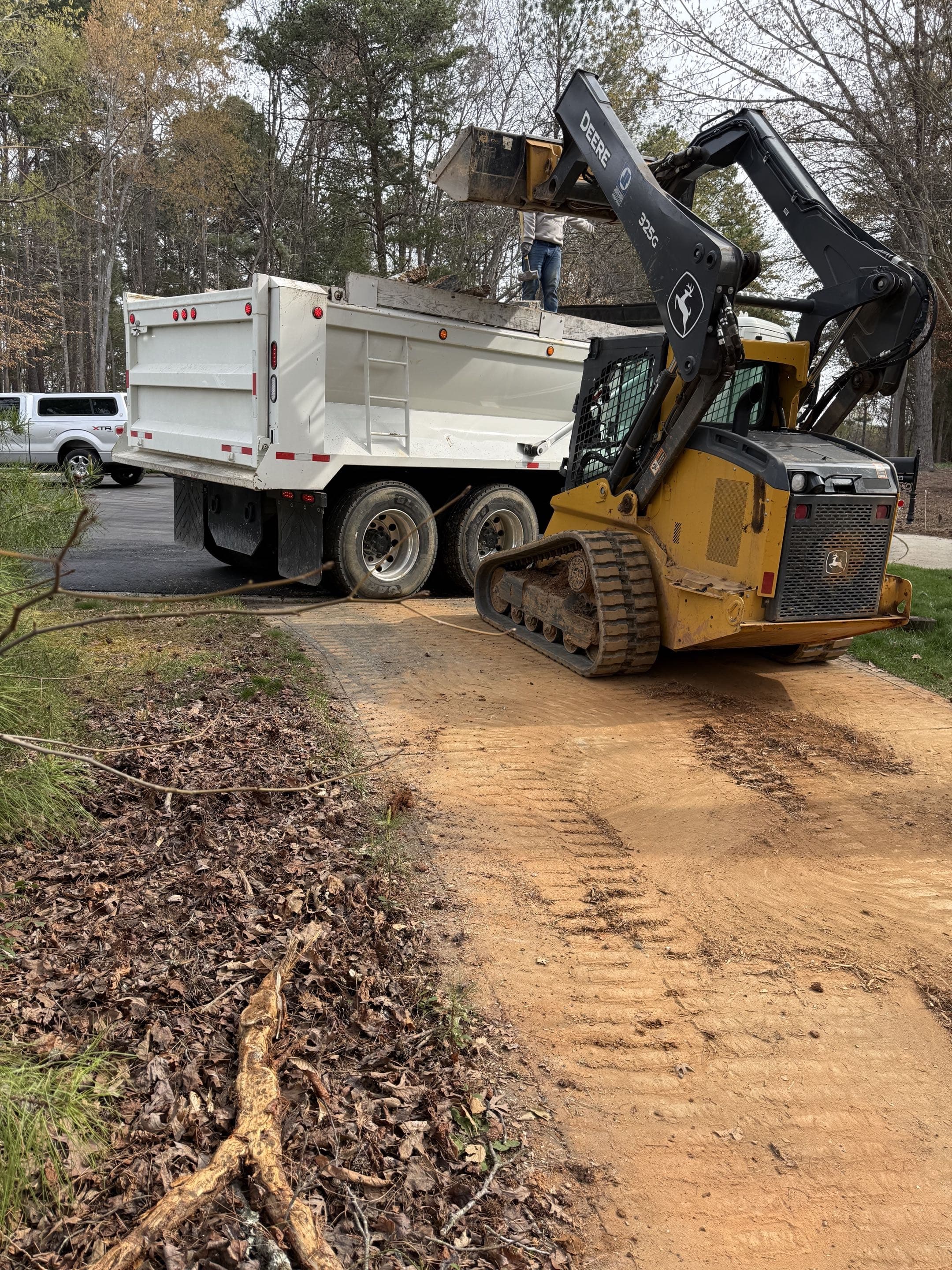
Demolition
Removal and disposal of existing concrete, leaving a clean slate for your new installation.
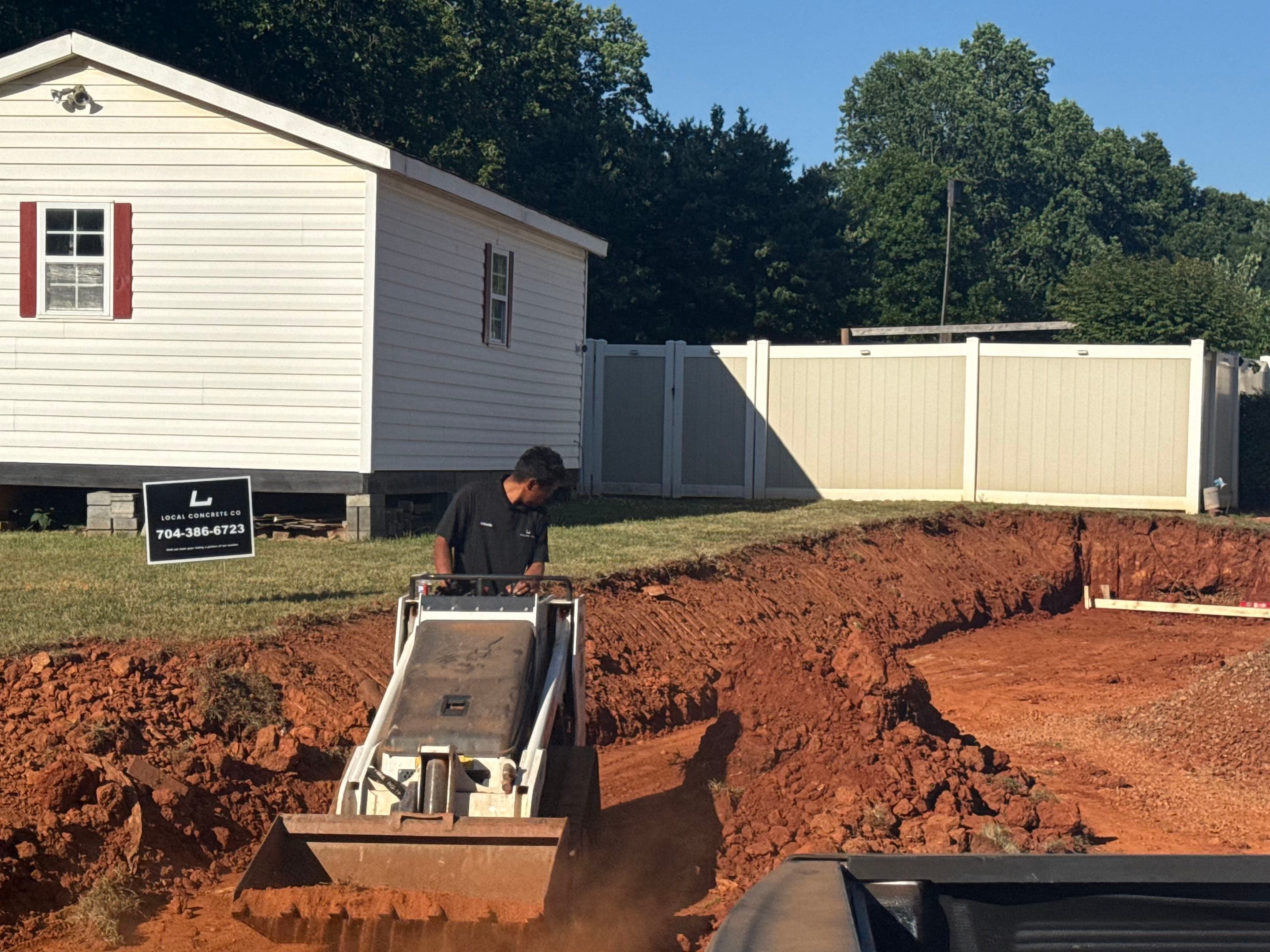
Grading & Forming
Expert grading for proper drainage and setting high-quality lumber forms for clean edges.
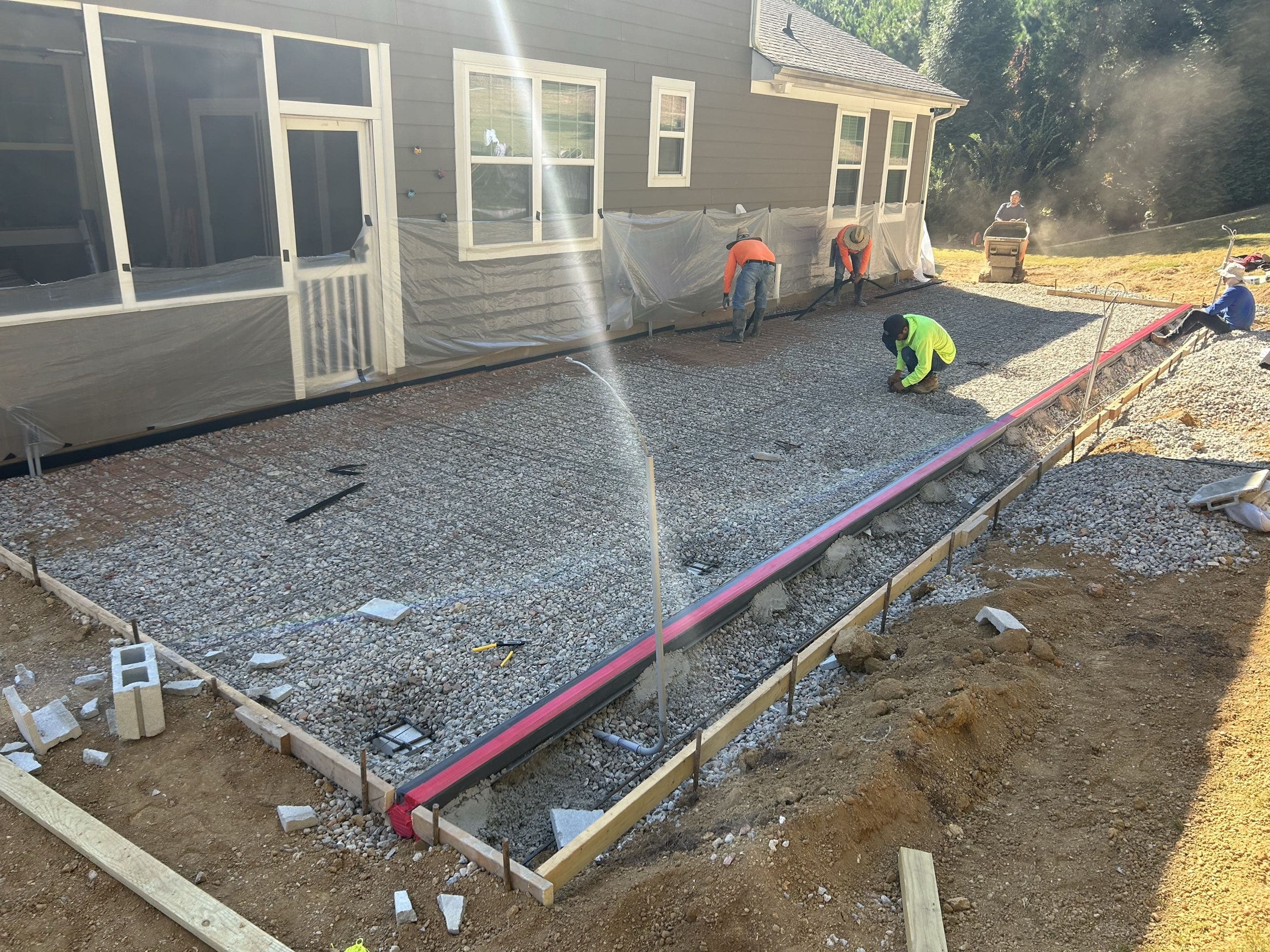
Reinforcement
Installation of steel rebar or wire mesh grid, using 1/2 inch grid for structural tensile strength.
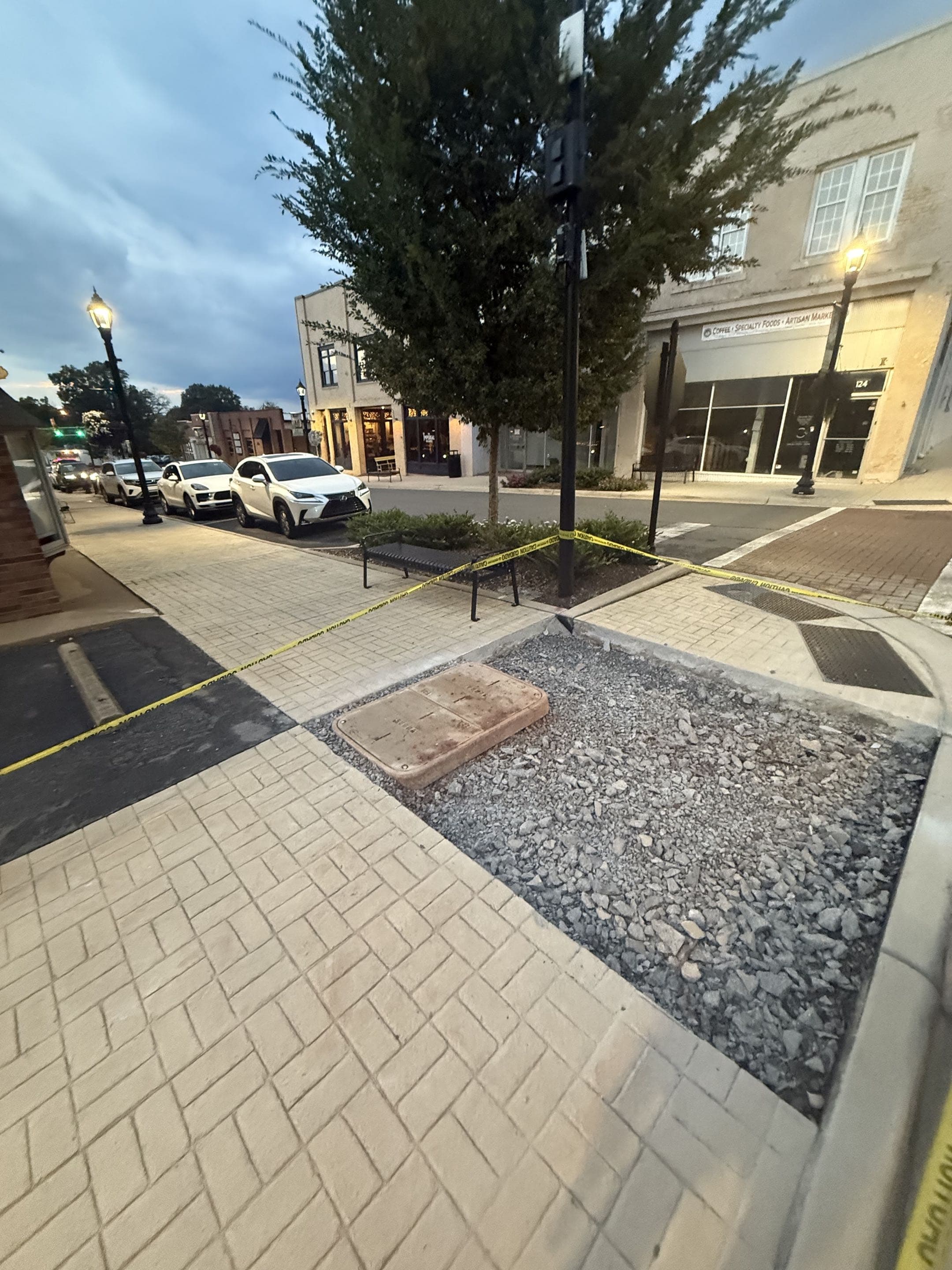
Pre-Pour Inspection
A final check of elevation, form stability, and reinforcement placement before the truck arrives.
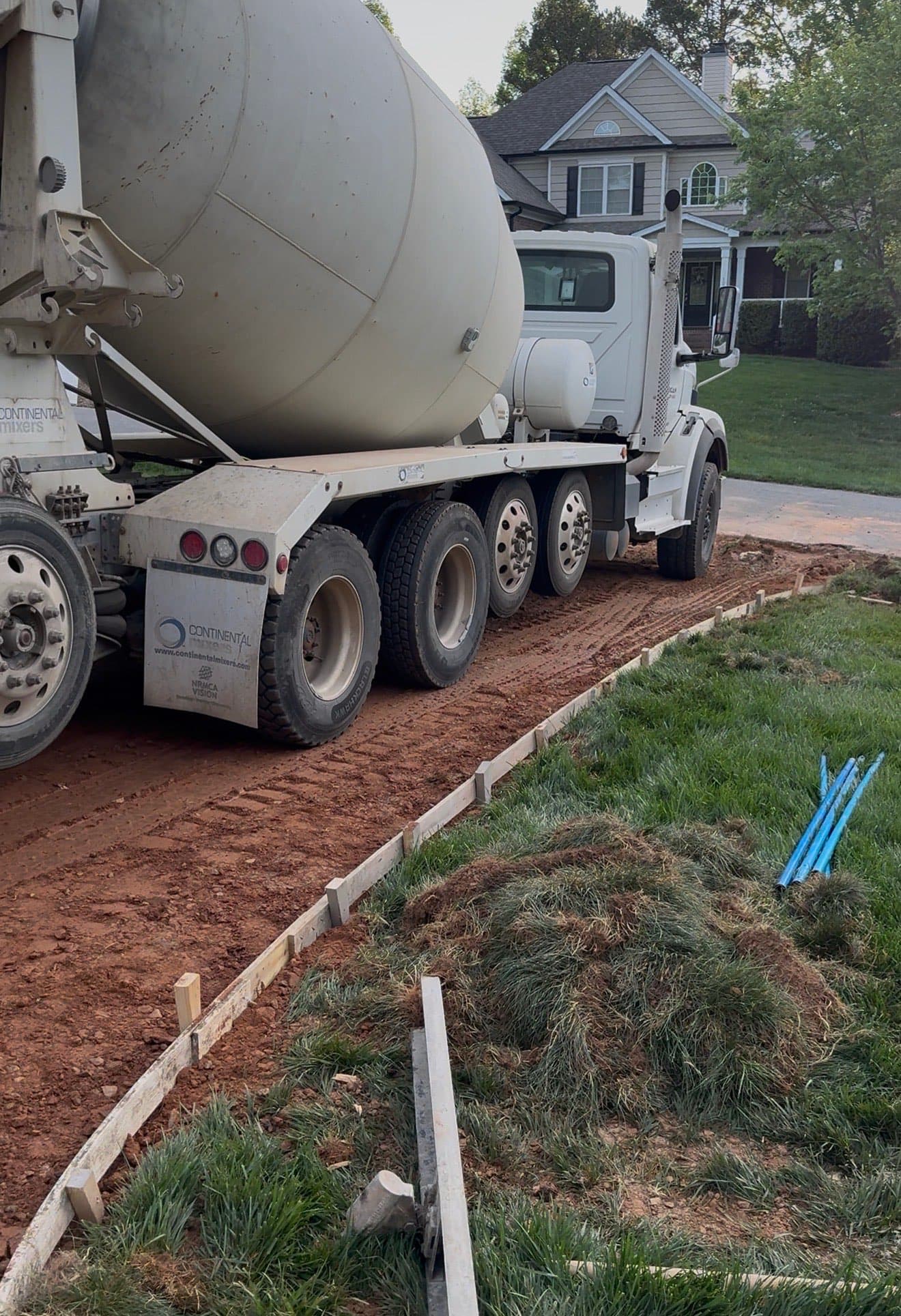
Slump Testing
Verifying concrete consistency on-site to ensure it meets the engineered mix design.
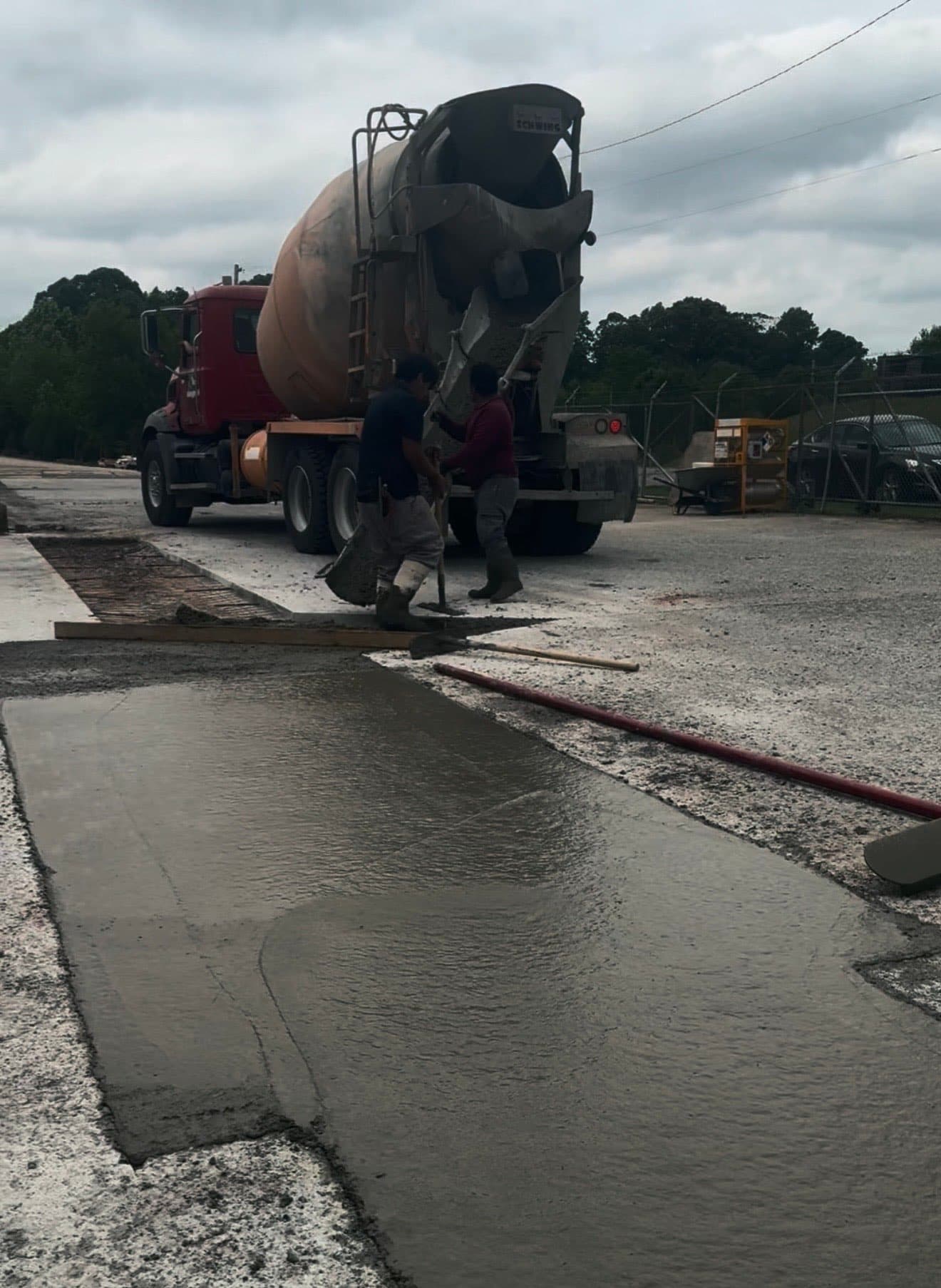
Placement
Controlled pouring and placement of concrete to avoid cold joints and ensure uniformity.
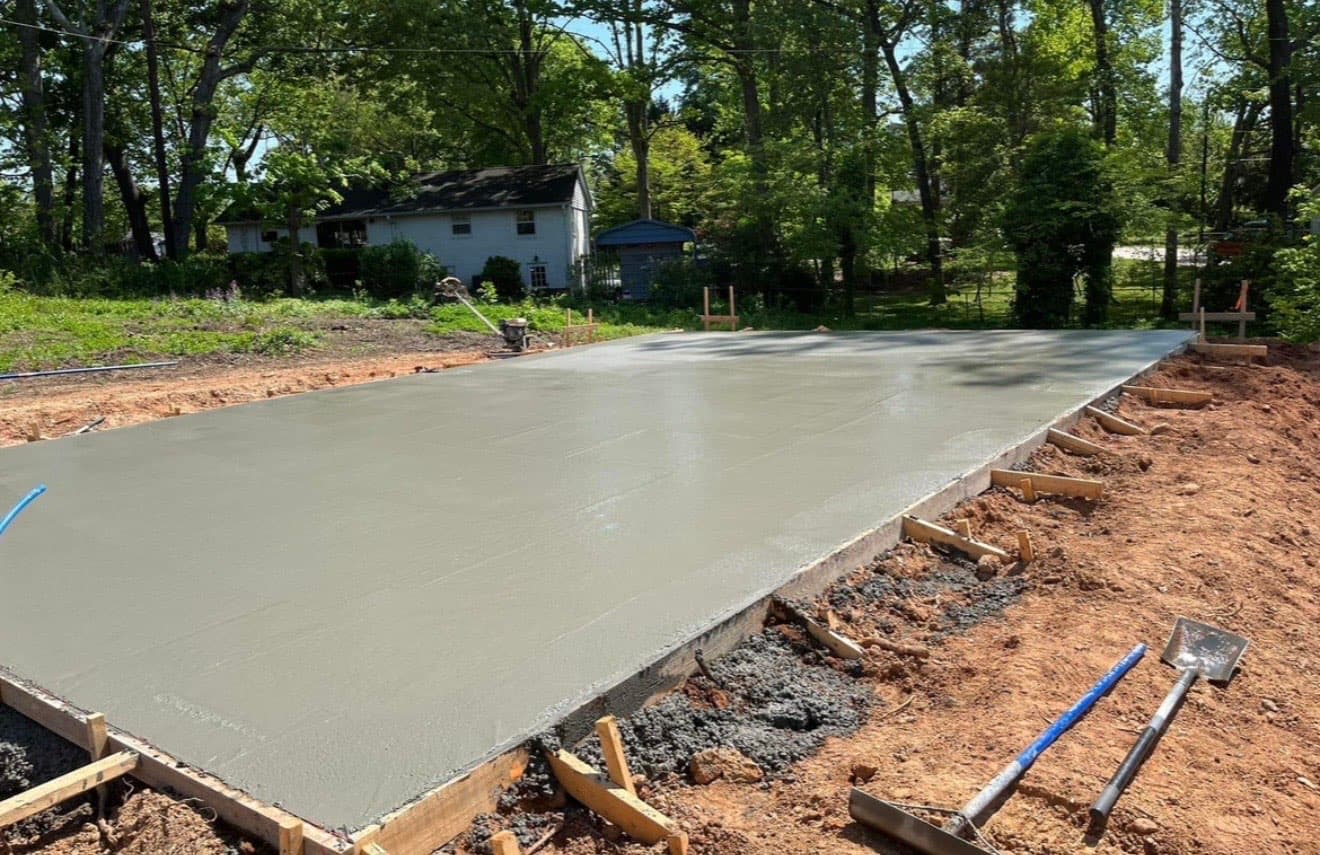
Bull Floating
Pushing aggregate down and bringing 'cream' to the surface for a smooth finishable layer.
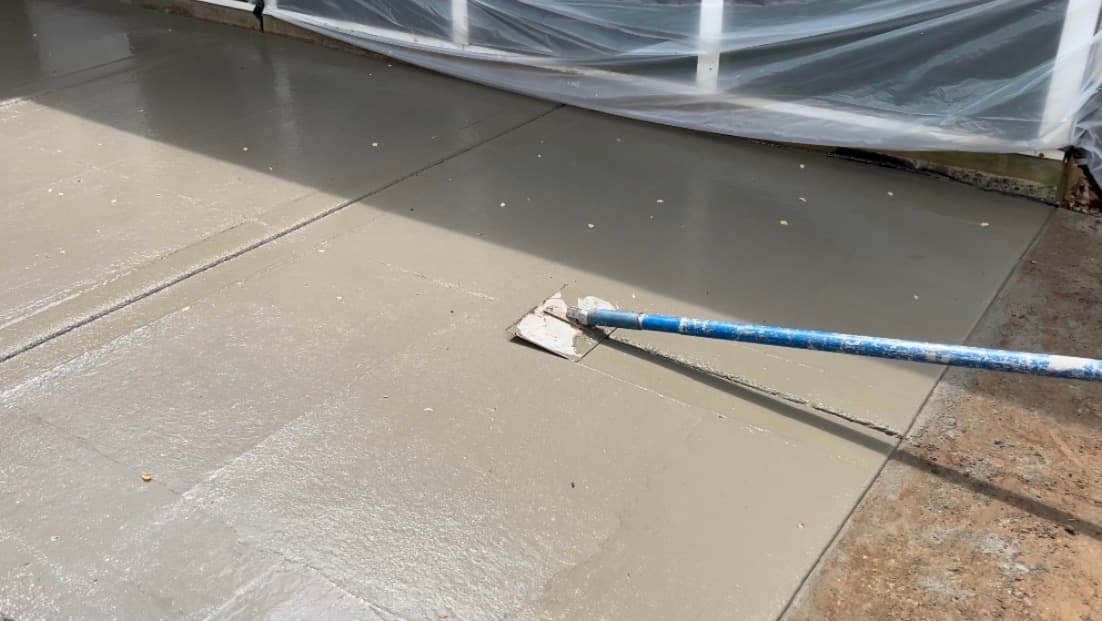
Edging & Jointing
Creating rounded edges for durability and cutting control joints to manage expansion.
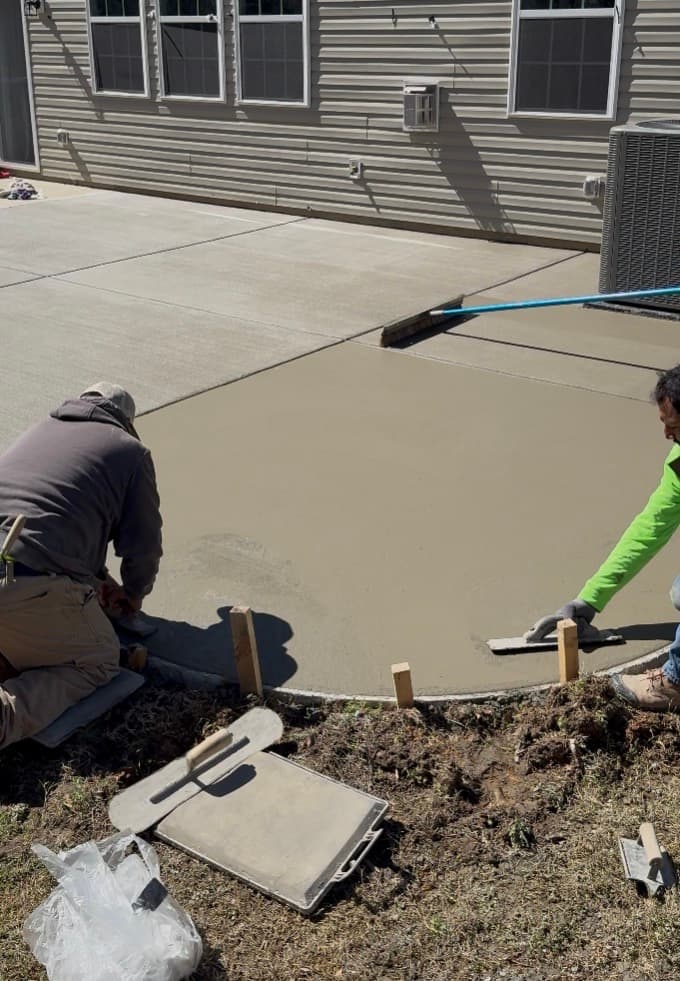
Fresno Finish
Final smoothing pass to close the surface pores and prepare for texturing.
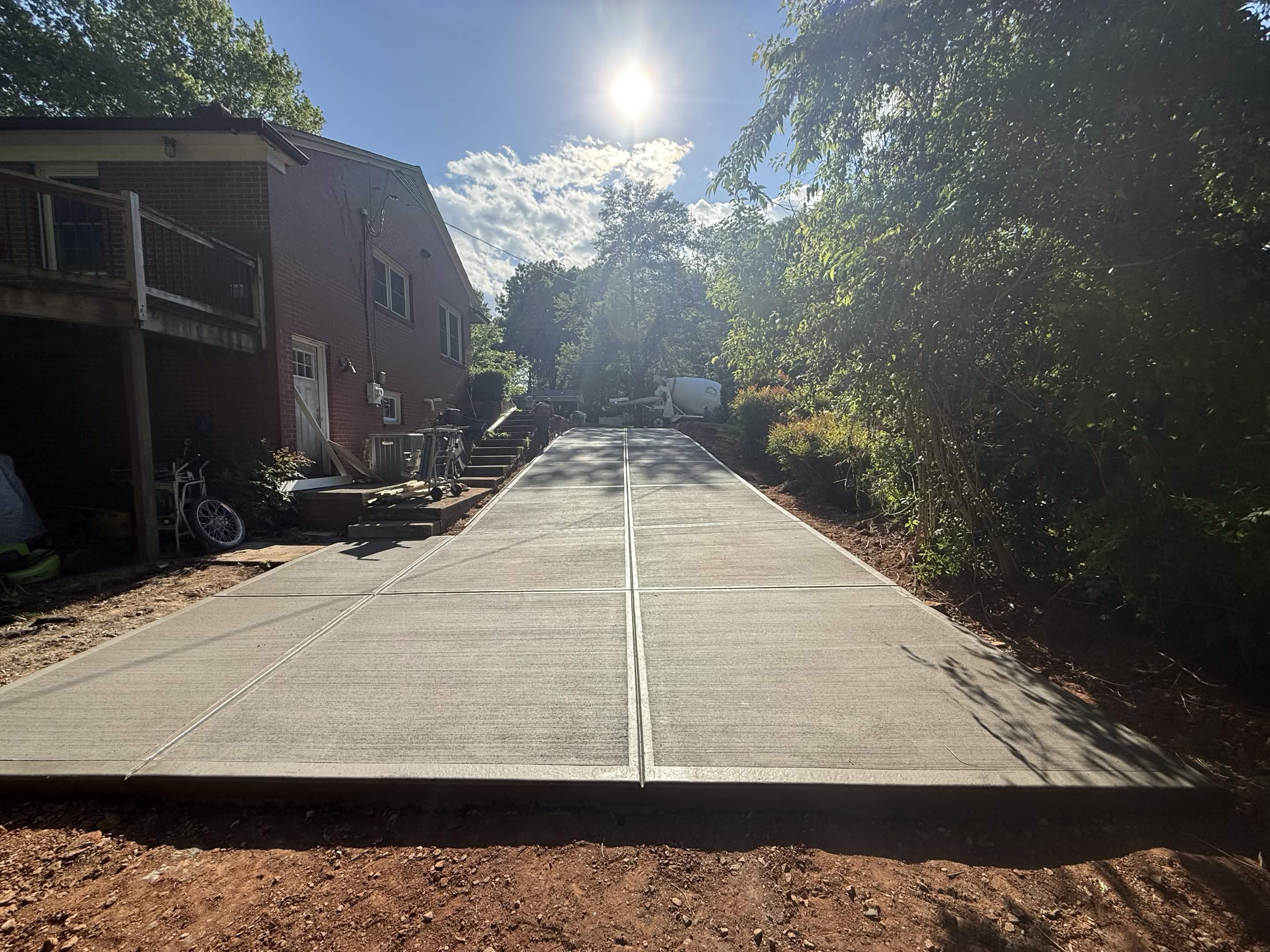
Decorative Detailing
Applying final broom texture, stamp patterns, or color treatments as specified for your project.
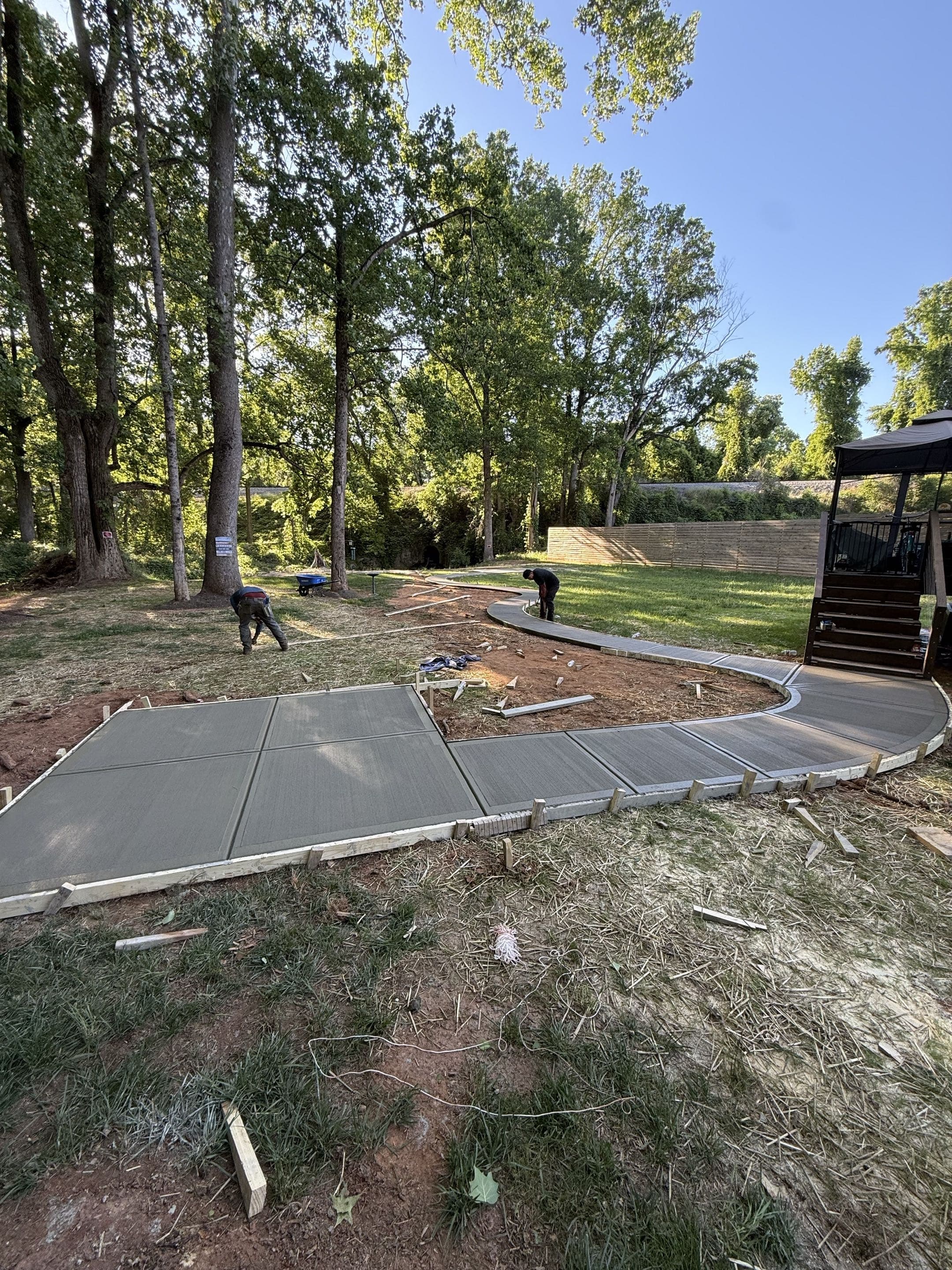
Form Removal
Careful stripping of forms once concrete has reached initial set stability.
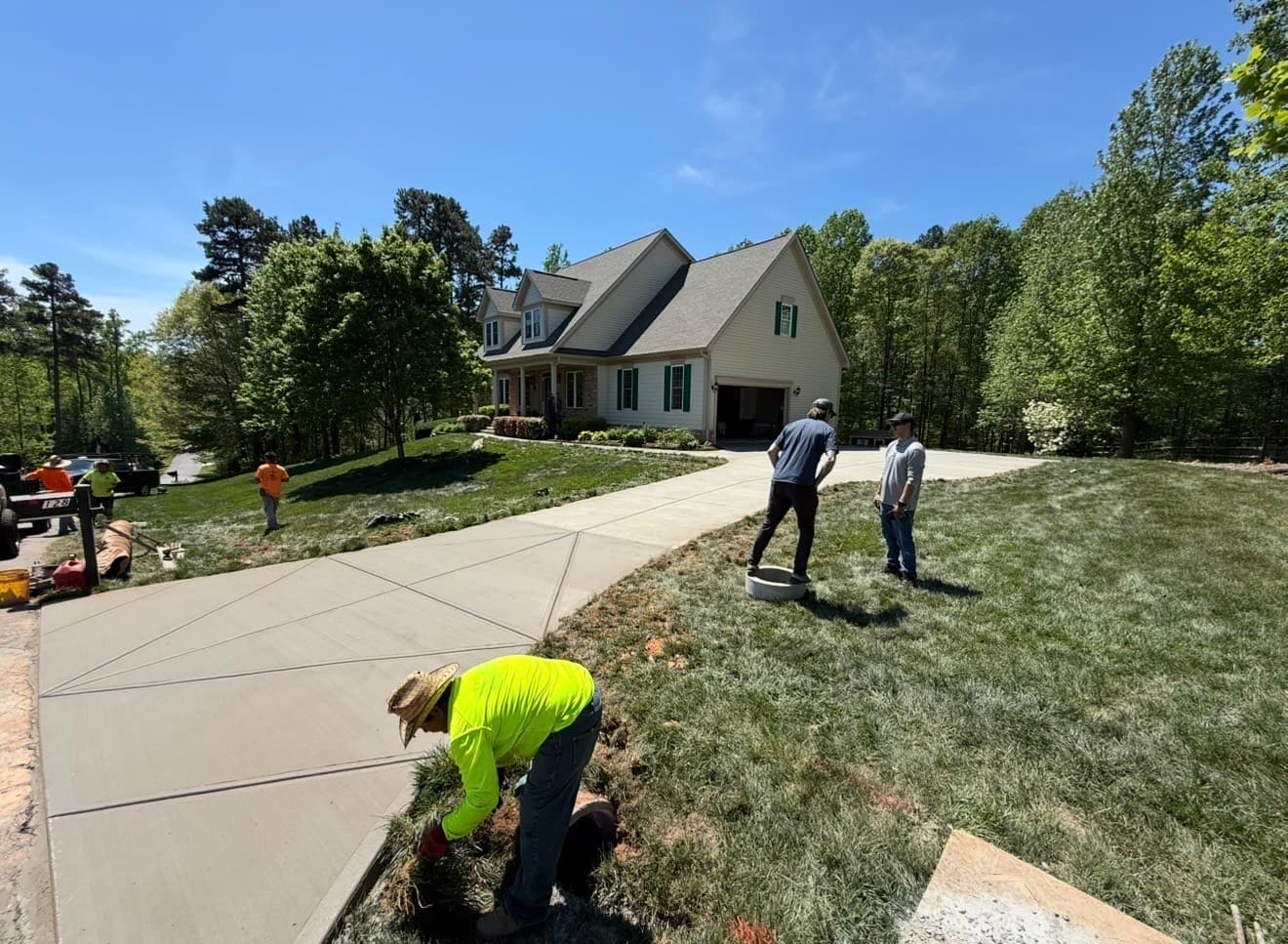
Final Walkthrough & Closeout Package
Reviewing the finished project with your ops manager, then delivering the closeout package (photos, lien releases, W-9, additional-insured cert) for your files.

Usage Guide
Providing clear instructions on cure times — when you can walk, drive, and park on your new concrete.
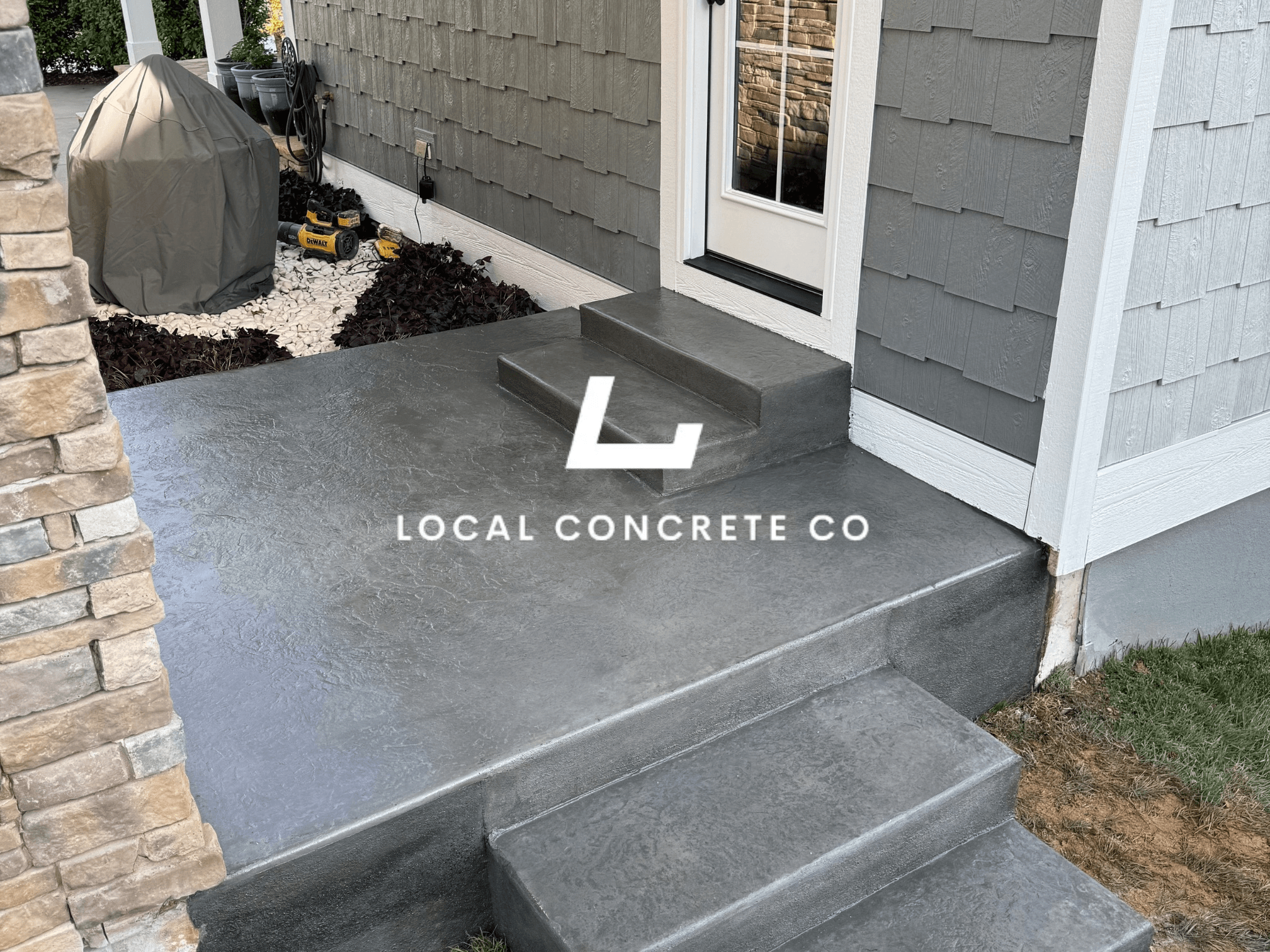
Project Completion
The job is done right, ensuring you have a durable surface for years to come.
Thresholds We Use to Sort Repair from Replacement
The working thresholds below are what we walk drives with. They go on the written quote so the homeowner can see exactly why each repair item is in or out.
- Crack width under 1/16 inch—cosmetic, no repair needed
- Crack width 1/16 to 1/4 inch and stable—rout and seal buys real time
- Crack width over 1/4 inch that keeps re-opening—signals underlying movement, repair does not hold
- Spalling under 1/2 inch deep in isolated areas—bonded overlay patch works
- Spalling deeper than 1/2 inch or spread across large sections—patch pops off, panel or full replacement is honest
- Panels less than 1/4 inch out of plane—grind flush to remove trip hazard
- Panels 1/4 to 1/2 inch out of plane—foam lift candidate if the panel is otherwise intact
- Panels more than 1/2 inch out of plane—usually replaced, not lifted, because settlement points to base loss
- Exposed rebar or wire mesh in a crack—load capacity is compromised, patching does not restore it
- Apron failure combined with interior cracking—failure is migrating, replacement is often cheaper long-term
The numbers cut through the guesswork on repair scope. Two contractors walking the same drive should reach roughly the same recommendation if they are using the same thresholds. When they do not, ask why.
When Repair Stops Making Sense
Repair becomes deferred replacement when several failure signs stack up on a drive past its twentieth birthday. Patching one issue on a slab with three underlying failures buys a season, not a decade.
- Two or more failure types together (cracking plus settlement, spalling plus apron loss, panels out of plane plus widespread map cracking)
- Slab age past 20 years combined with any active base movement
- Apron failing while interior panels are showing early cracking—the failure will keep migrating up the drive
- Widespread spider-webbing—no repair short of overlay addresses the underlying cause, and overlays on spider-webbed slabs almost never hold
- Multiple panels out of plane by more than half an inch—base loss across the drive, not localized
- Repeat repairs in the same area over several years—the underlying condition is not stabilizing with more patching
- Any drive showing widespread base movement in the first five years after installation—the original build was undersized, patching does not fix it
On every repair quote we also price the full replacement alongside it so the ten-year outlook is on the table. Sometimes repair wins that math. Sometimes replacement is honestly cheaper across ten years. The honest answer varies by drive, and neither answer gets pushed as a default.
Why Homeowners Work With Us
Local Concrete Contractor runs residential and light commercial concrete work across the North Carolina Piedmont and out into the coastal plain. Repair work gets the same operating standards as new pours because the risk on repairs is over-promising life extension on a slab that is already coming apart.
- Zero deposit—you pay after the repair is complete and walked with you, not before
- Free on-site quote with each repair item listed and priced separately
- Both repair and full replacement priced on the same quote so the ten-year math is visible
- Licensed and insured—proof of coverage available before work starts
- No pressure sales, no timeshare tactics, no artificial deadlines on the quote
- Straight answers on which repairs buy real time and which are cosmetic delay
- Same crew running the repair from start to finish
- Honest recommendation when repair is not the right answer—we will tell you when the drive is past its useful life instead of taking the repair check anyway
If you are still comparing quotes on driveway repair, ask each contractor which specific repairs they think will hold for 5 to 10 years, which will not, and whether the replacement is priced alongside. Those questions separate a repair scope that actually extends life from one that just delays the pour.
General Driveway Repair
FAQ
Straight answers on general driveway repair installation — thickness, base prep, cure time, deposit, and what it takes to make the slab last.
Get Free QuoteHow do I know if my driveway needs repair or full replacement?
The distinction usually comes down to how many failure signs are showing at once and how old the slab is. A single crack under a quarter-inch on an eight-year-old drive is a repair. Widespread spider-webbing, apron settlement, panels out of plane by more than half an inch, or exposed rebar on a 25-year-old drive is a replacement conversation. When two or more failure types stack up on an older drive, repair usually just resets the clock. We walk the drive, price both options, and explain which repairs actually buy time versus which push the pour a year or two out.
What repairs actually extend the life of a concrete driveway?
Can settled driveway panels be lifted without replacement?
How long do repairs actually last?
Should I reseal my driveway joints regularly?
Do you require a deposit for repair work?
Ready to talk about your project?
Free estimate. No pressure, no sales tactics. Zero deposit.
Get Free Quote