



Small Concrete Replacement & Spot Repairs
Single-panel driveway, patio, sidewalk, and apron replacement across North Carolina. Saw-cut removal, dowel tie-in, and proper spec on the new pour—without tearing out the whole slab. Zero deposit, licensed and insured, written quote before we cut.
Get your free quote
We respond in less than 2 hours.
Real Projects We've Completed
A cross-section of our real project work — driveways, patios, porches, pool decks. Every pair below is a real Local Concrete Contractor install.
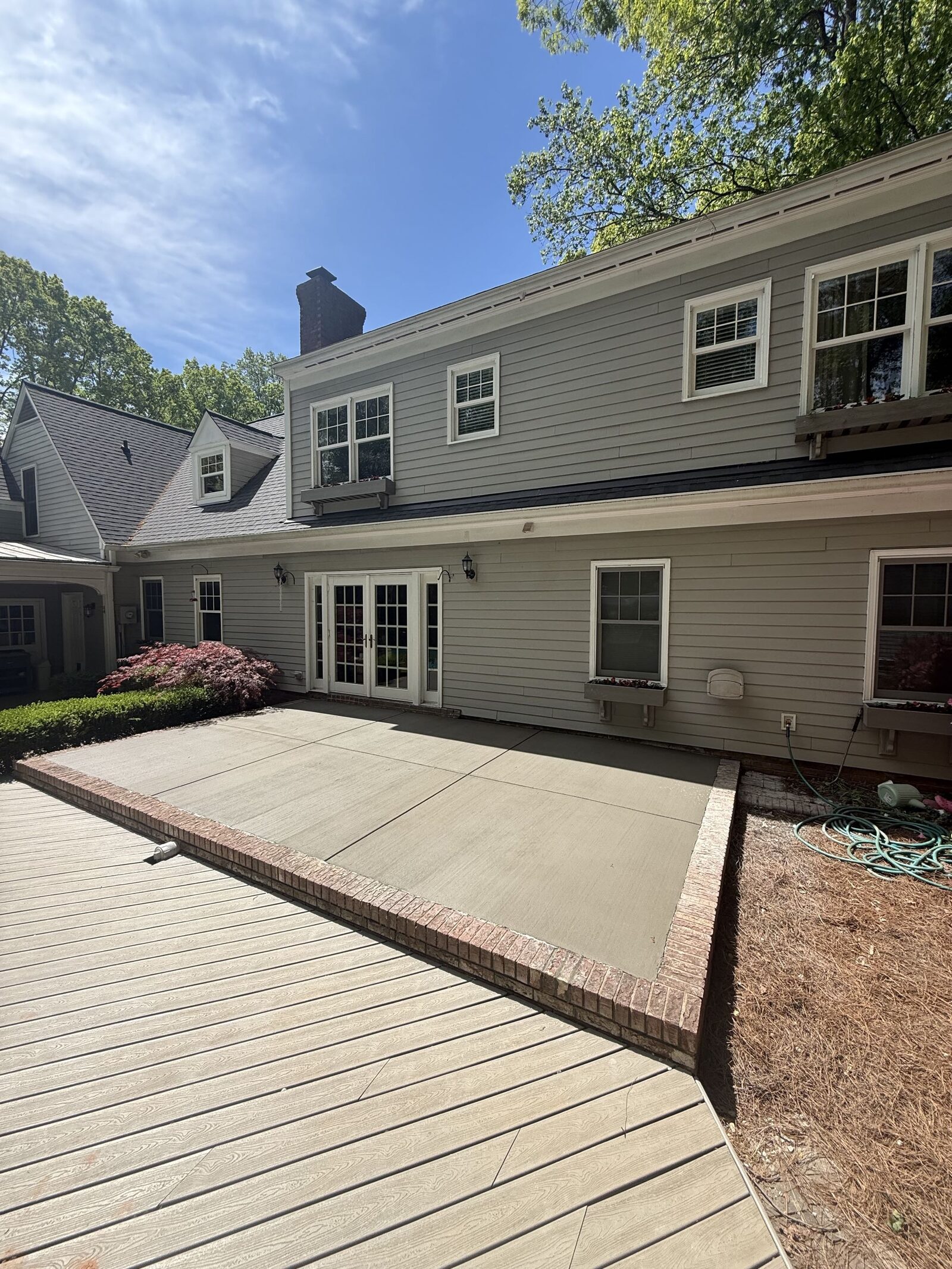

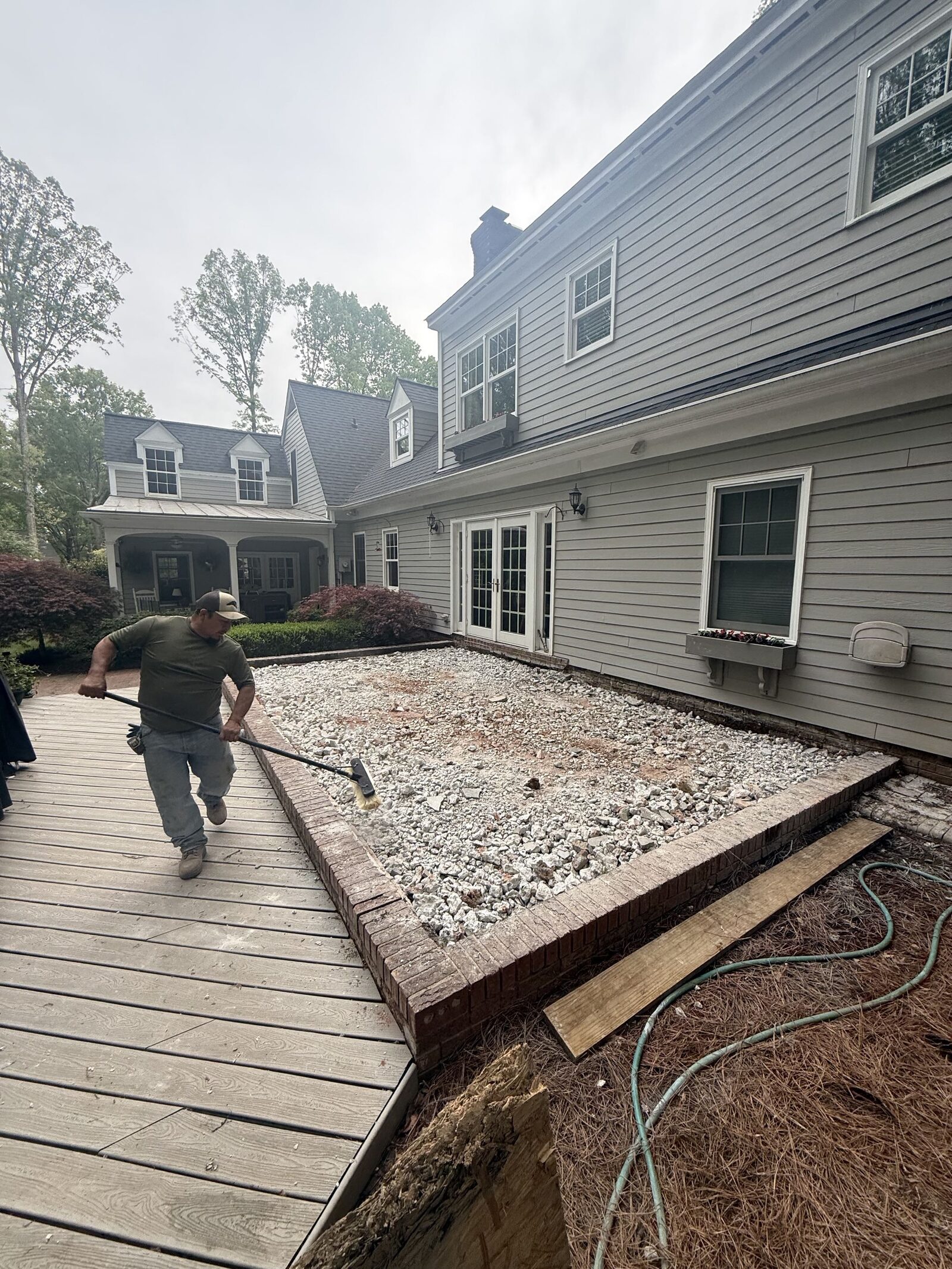
Backyard Patio
Full tear-out, new pour with brick-border detail
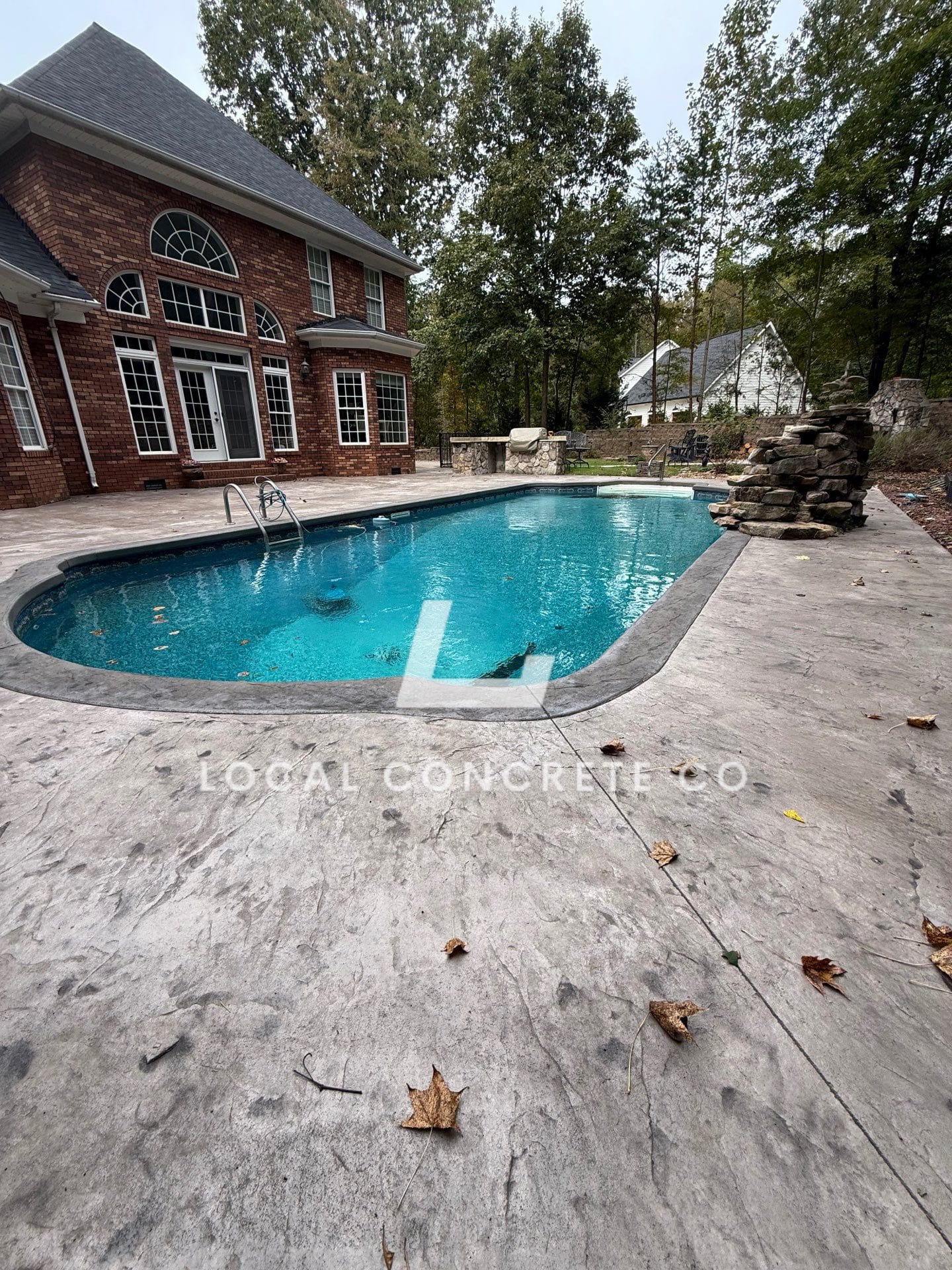
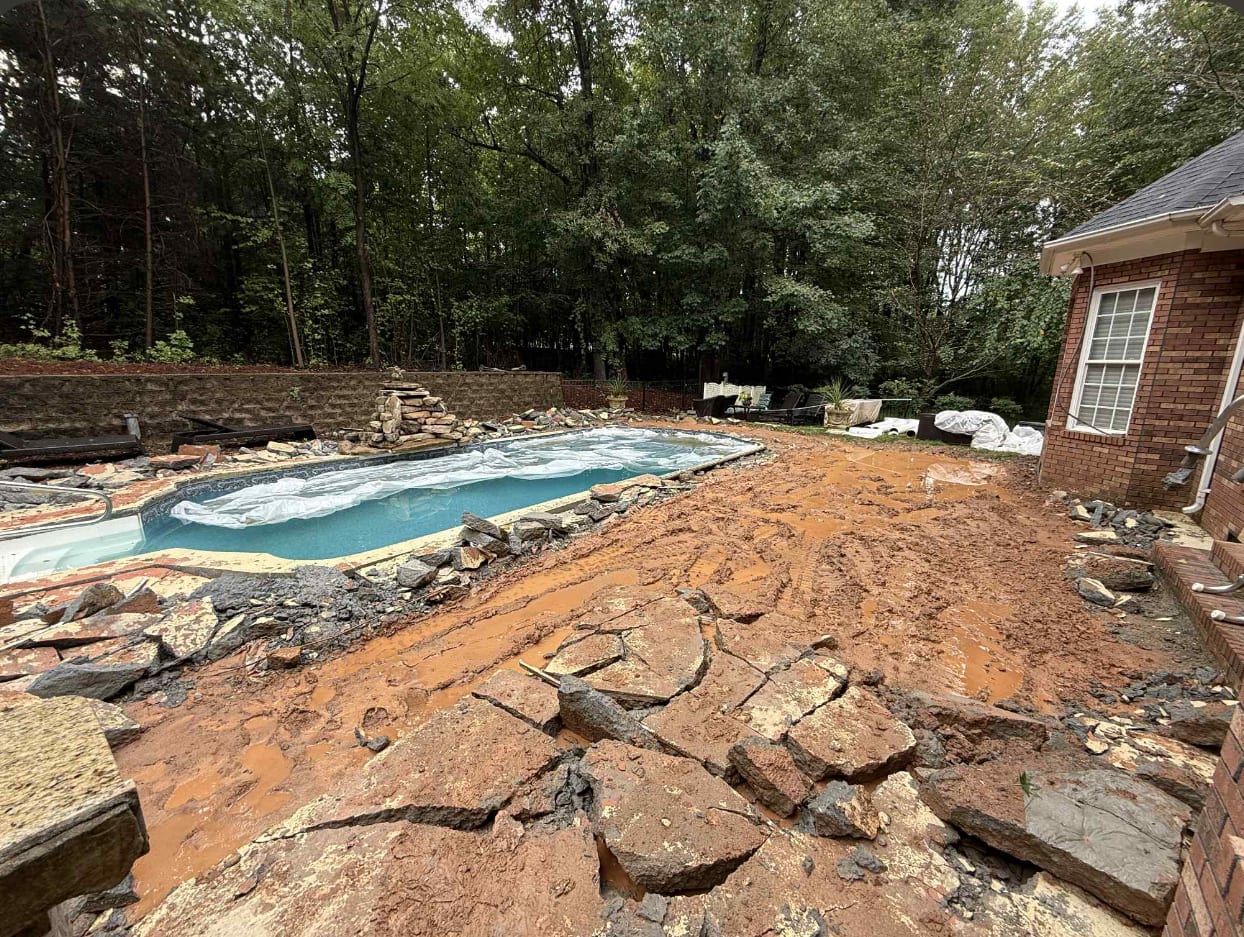
Stamped Pool Deck
Weathered deck replaced with textured stamped pour
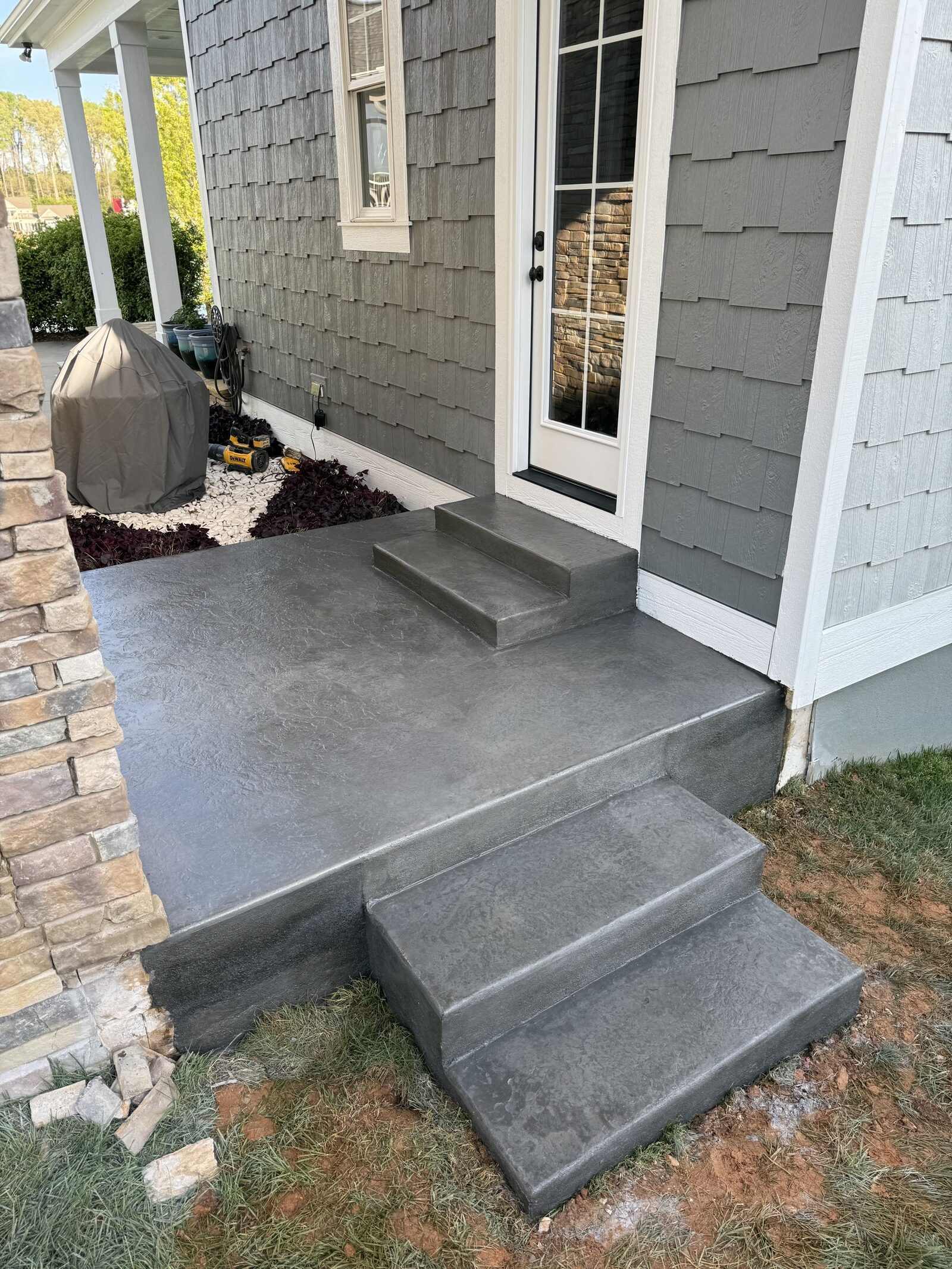
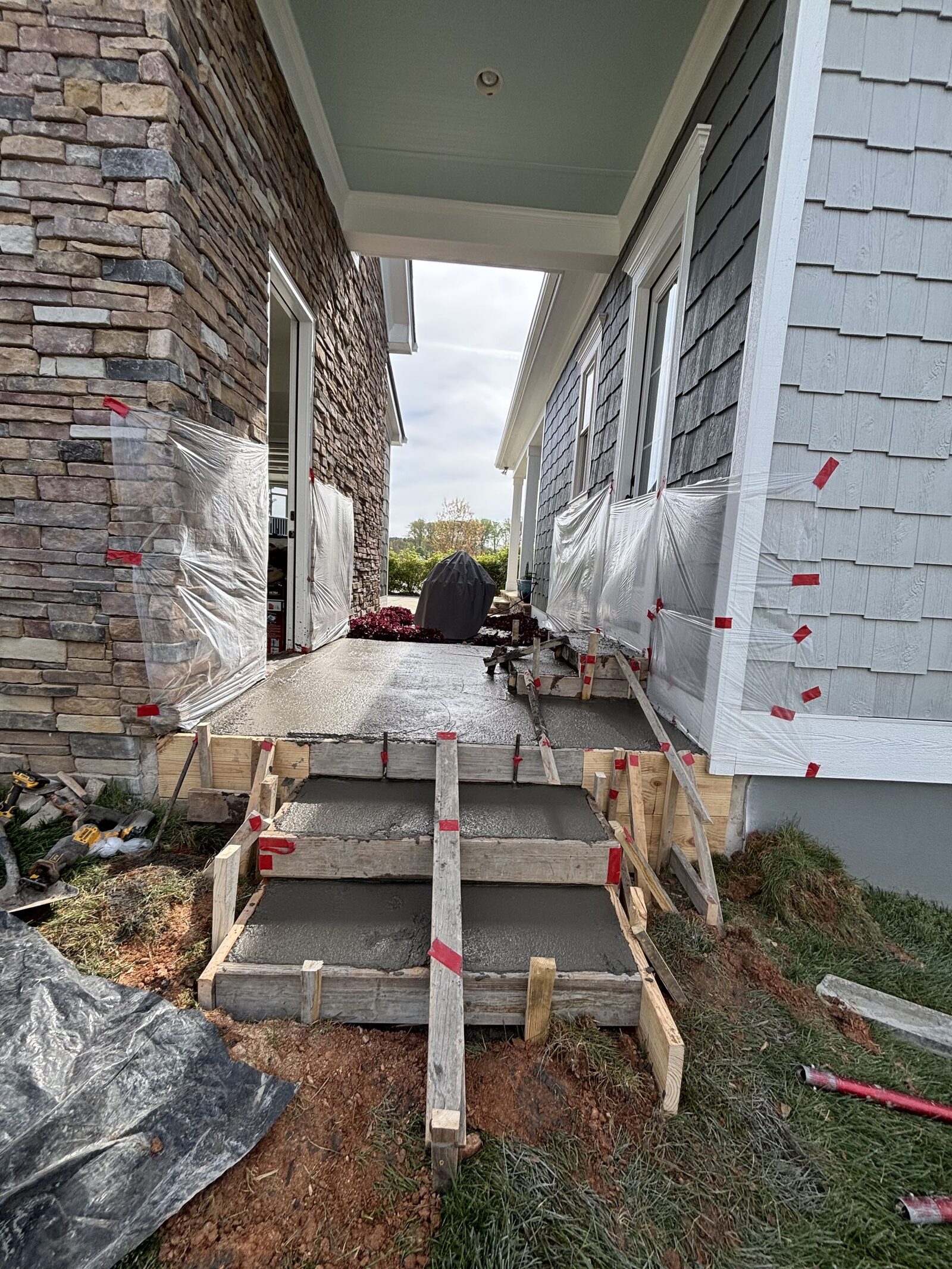
Front Porch & Steps
New entry pad plus poured steps to the door
Not every failed slab needs a full replacement. When one panel of a driveway has cracked into pieces, one section of sidewalk has settled below the neighbors, or the apron at the road has broken up while the rest of the driveway is still holding, a spot replacement is usually the right call. What matters is doing the replacement in a way that ties into the remaining concrete cleanly—saw-cut lines instead of ragged breaks, dowels into the adjacent panel so the two pieces move together, and a base prep pass that fixes whatever caused the original failure. Skip any of those and the new panel fails on the same schedule as the old one.
Local Concrete Contractor handles single-panel and spot concrete replacement across North Carolina. Every job starts with a site walk to look at what failed, why it failed, whether the rest of the slab is going to follow it soon, and whether a spot replacement genuinely makes sense versus a larger replacement. That walk becomes a written spec: cut lines, removal scope, base repair, dowel plan, mix design, thickness, and cure schedule. Zero deposit, honest read on what the repair actually buys you, no pressure to expand the scope.
Our Small Concrete Replacement Services
Spot replacement covers a lot of situations, and each one changes the cut plan, the tie-in detail, and how the new concrete meets the old.
- Single-panel driveway replacement where one section has cracked, spider-webbed, or heaved out of plane
- Apron-only replacement at the road tie-in where the apron has settled or broken up while the rest of the drive is still sound
- Garage-corner slab replacement where the panel at the garage entry has failed from repeated turning load or drainage issues
- Single-flight step replacement where the stoop and one flight of steps have failed at a front, side, or back entry
- One-slab patio panel replacement where a single section has settled or cracked while the rest of the patio holds
- Single-panel sidewalk replacement where one square has heaved, settled, or cracked into a trip hazard
- Trench-cut patching after a plumber, electrician, or utility crew has cut through a slab for underground repair
- Curb-cut and gutter replacement where a section has broken up while the rest of the curb line is sound
- Small pad replacement where an AC pad, generator pad, or shed pad has failed and the surrounding hardscape is fine
On any spot replacement, the honest question is whether the rest of the slab is close behind the failed panel. If two or three adjacent panels are showing early failure signs, replacing one now often just means replacing the others in a couple of years. That call gets made on the site walk, with both options priced.
When Spot Replacement Makes Sense vs Full Replacement
Spot replacement is the right call when the failure is localized and the rest of the slab has years of service life left. It's the wrong call when the failure is a symptom of a broader problem that's going to keep expanding.
Spot replacement usually works when:
- One panel or section has failed while adjacent panels are structurally sound
- The failure is traceable to a specific cause (a trench cut, a tree root, a plumbing leak, a settled apron) rather than general slab-wide breakdown
- The slab is under about fifteen years old and the failed panel is the exception, not the rule
- The rest of the slab shows normal cracking within control joints, not the widespread spider-webbing or spalling that points to a bad mix or base failure
Full replacement is the honest call when:
- Multiple panels are showing failure signs at the same time
- The slab shows widespread spider-webbing, map cracking, or spalling across the surface
- The apron and one or two adjacent panels have settled together, pointing to base loss under a broader area
- The slab is past its twentieth birthday and the failed panel is the first of many
- The subgrade has moved (visible from water pooling in new low spots that weren't there ten years ago) and the whole slab is following it
We walk the site, look at every panel, and price both options when both are reasonable. Nine times out of ten, the honest answer is clear once we've seen it in person.
Get your free quote
We respond in less than 2 hours.
Why Local Concrete Contractor?
- 01.Precision craftsmanship
- 02.Transparent pricing models
- 03.Dedicated project manager
- 04.Zero Deposit Required
Our Concrete Installation Process
Every small concrete replacements we pour runs through the same 18 checkpoints — from the on-site consult through the final walkthrough.
Scope Walk & Written Bid
A crew lead walks the site (or reviews plans), scopes the failure mode or new pour against your operational constraints, and delivers a written fixed-price bid with milestone draw structure.

Logistics & Scheduling
Coordinating crew, equipment, and weather windows to ensure a seamless project start.
Custom Mix Design
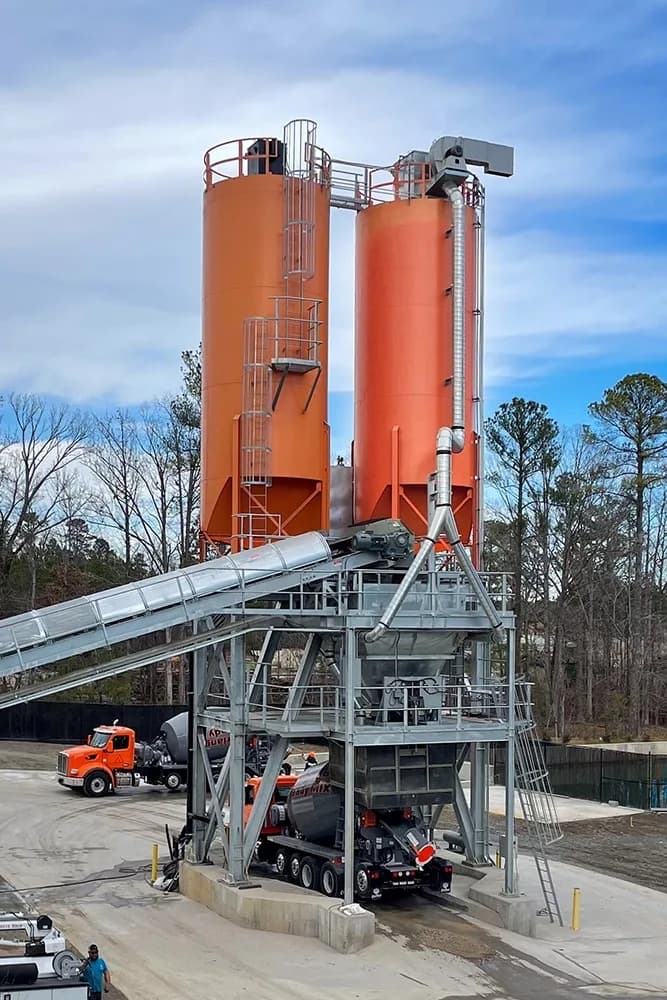
Ordering specific concrete additives and slump requirements based on current temperature and humidity patterns.
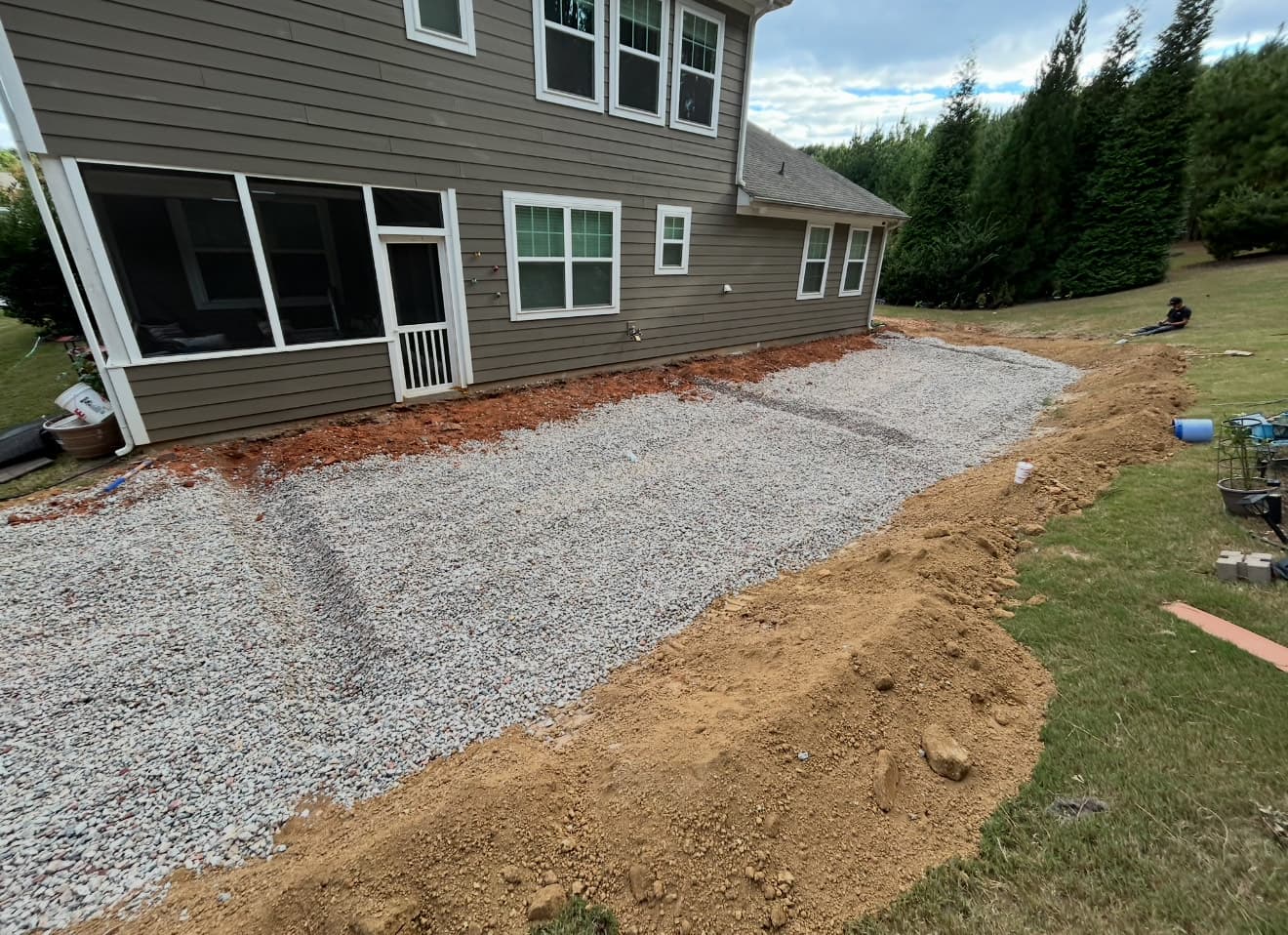
Site Preparation
Preparing the workspace and establishing safe access routes for our equipment and crew.
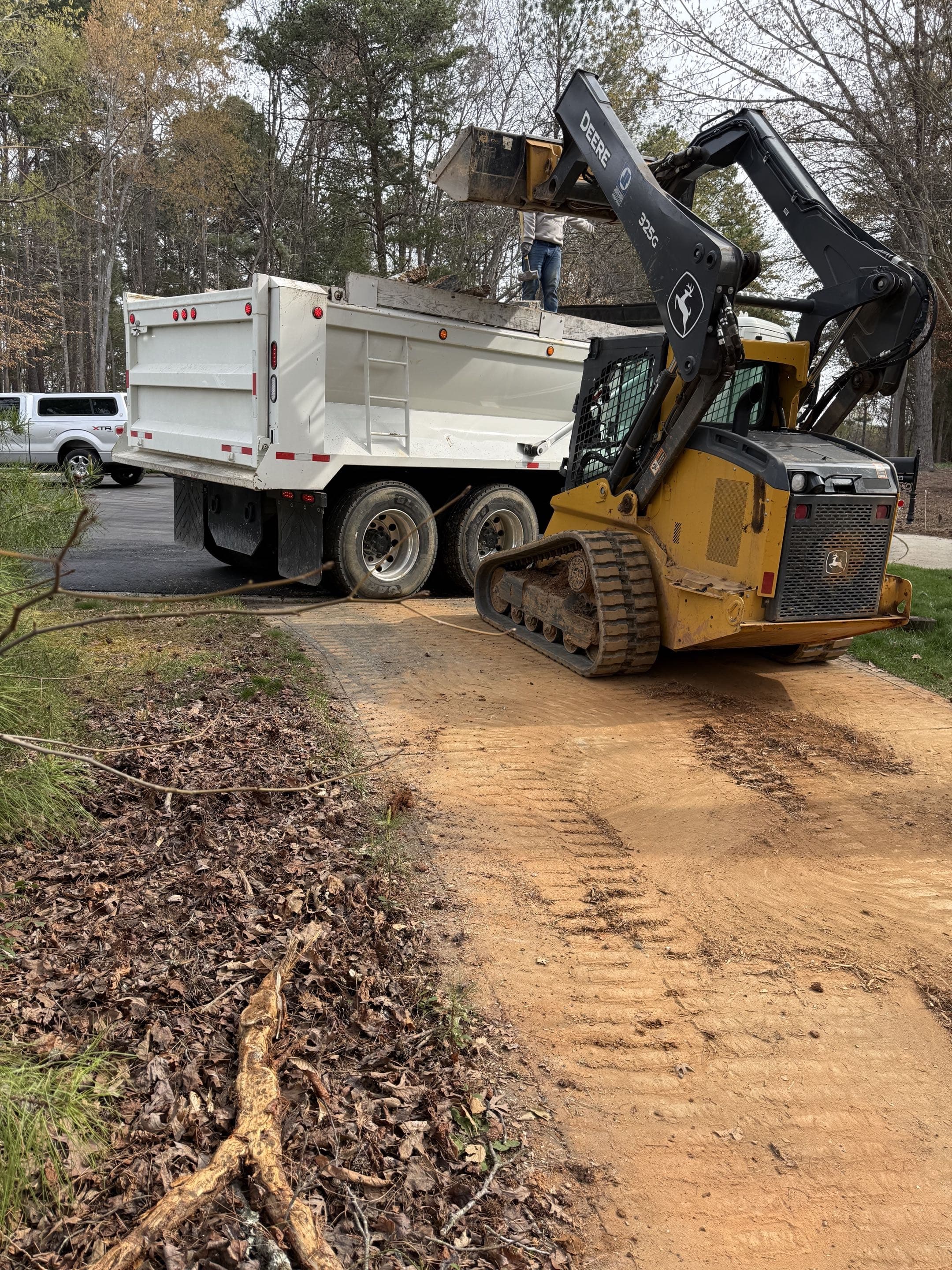
Demolition
Removal and disposal of existing concrete, leaving a clean slate for your new installation.
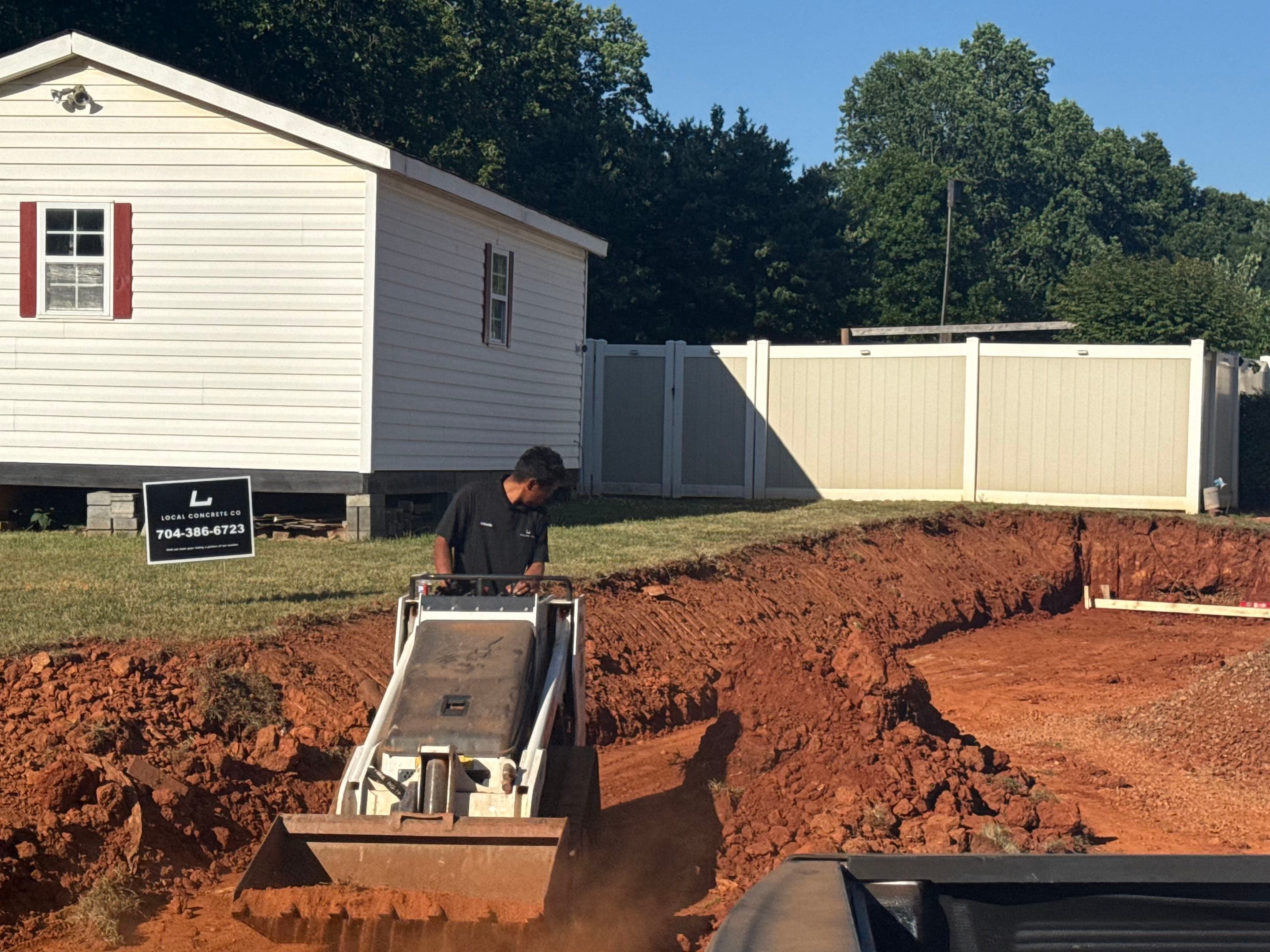
Grading & Forming
Expert grading for proper drainage and setting high-quality lumber forms for clean edges.
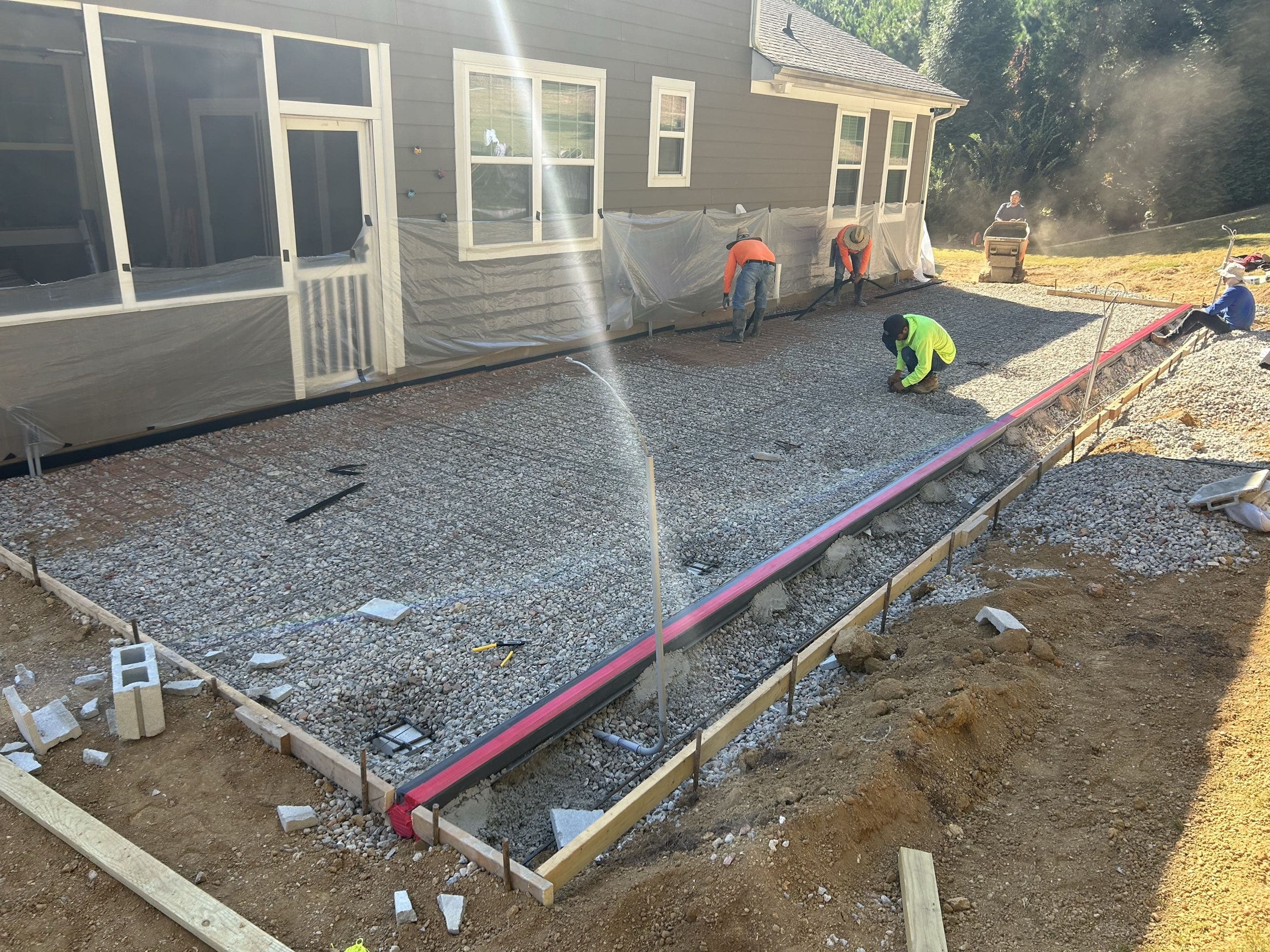
Reinforcement
Installation of steel rebar or wire mesh grid, using 1/2 inch grid for structural tensile strength.
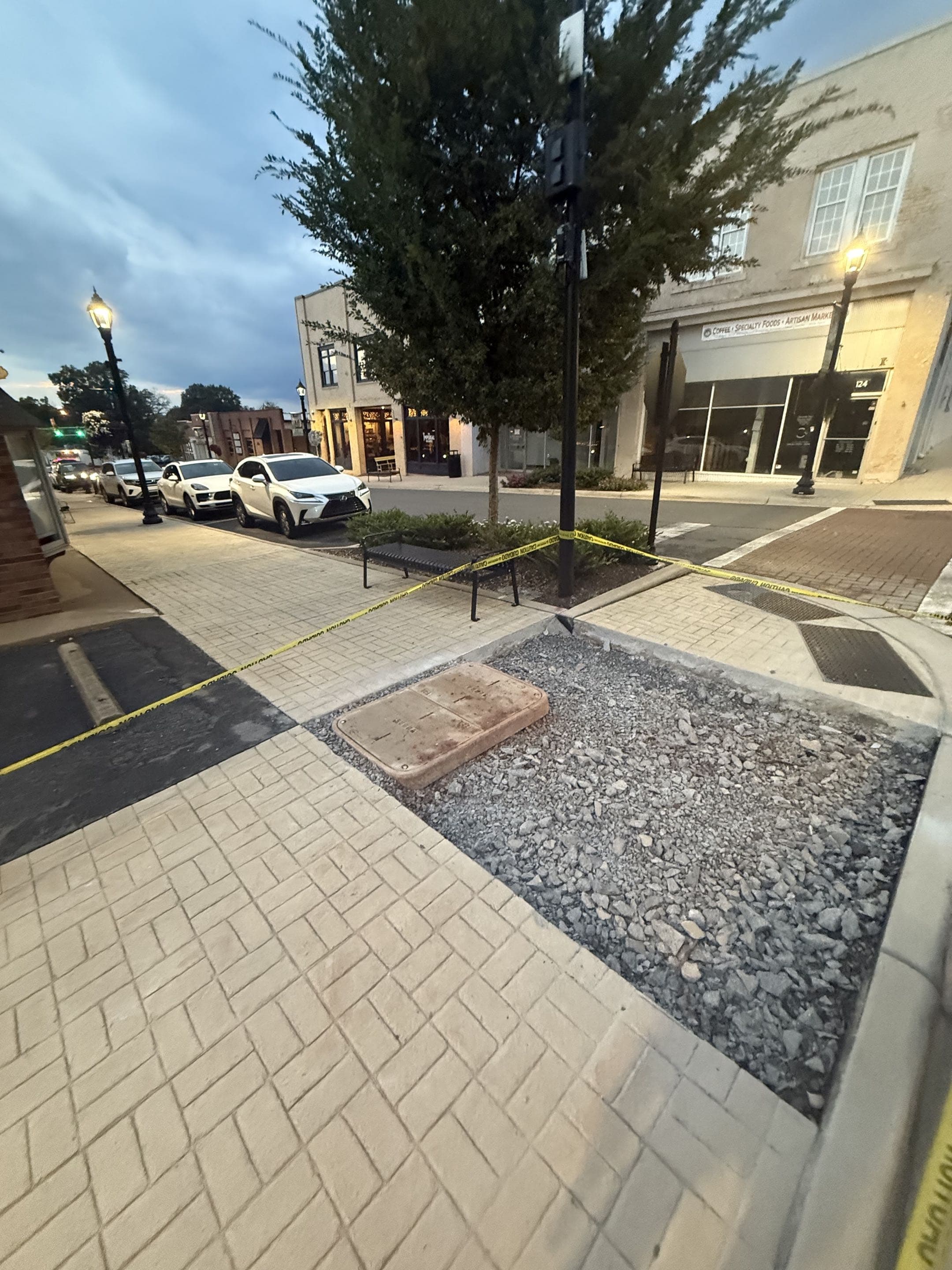
Pre-Pour Inspection
A final check of elevation, form stability, and reinforcement placement before the truck arrives.
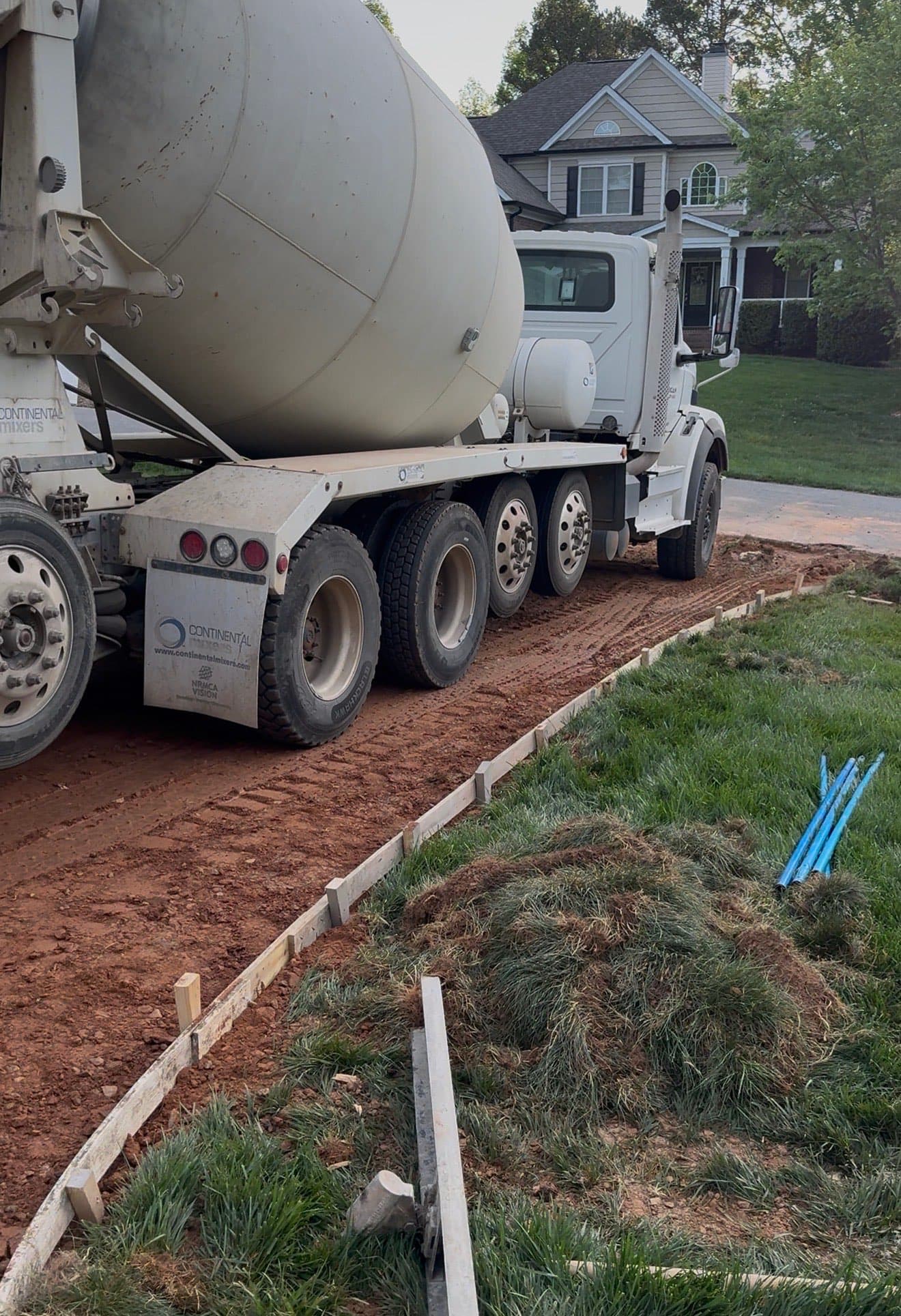
Slump Testing
Verifying concrete consistency on-site to ensure it meets the engineered mix design.
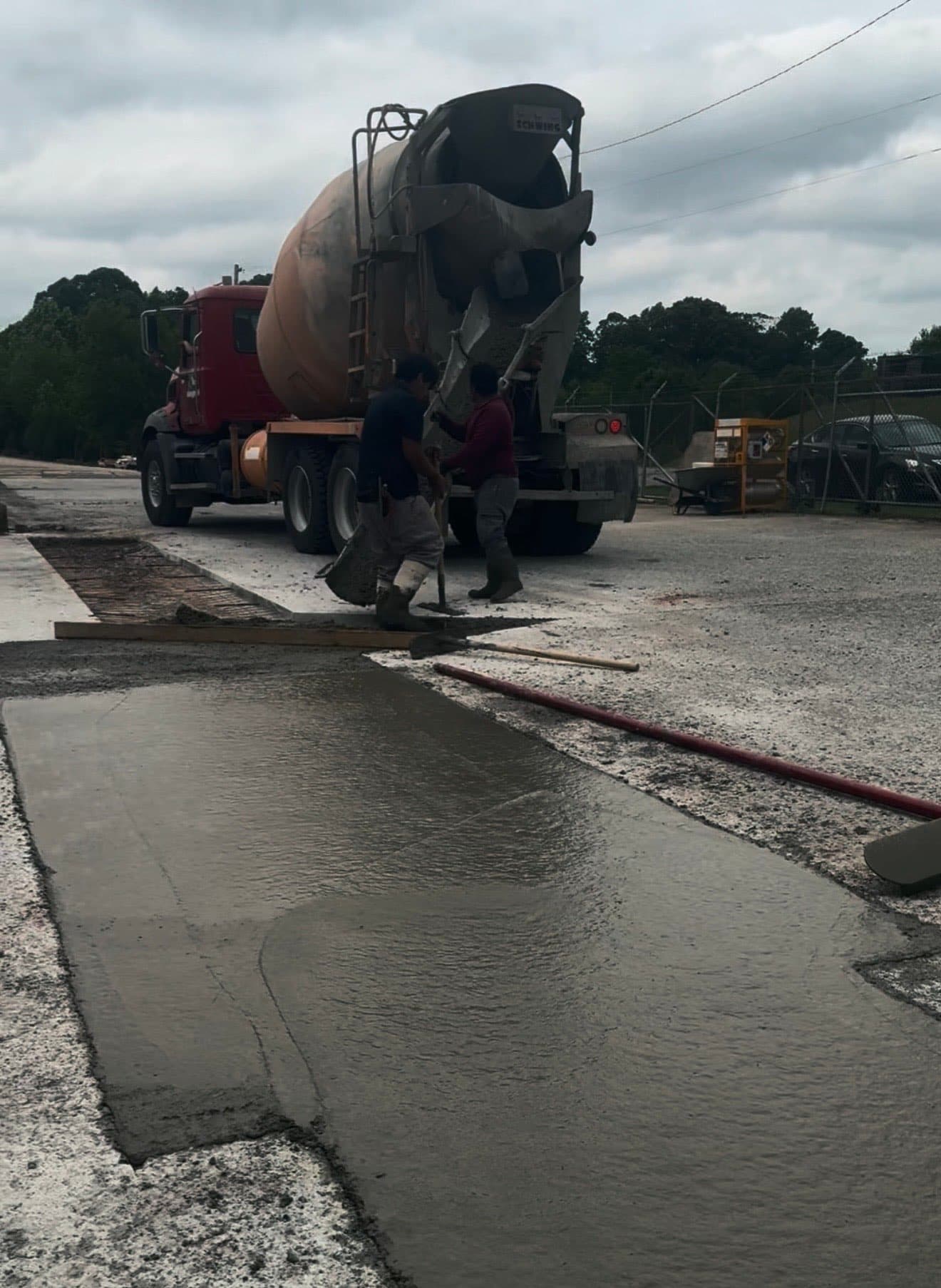
Placement
Controlled pouring and placement of concrete to avoid cold joints and ensure uniformity.
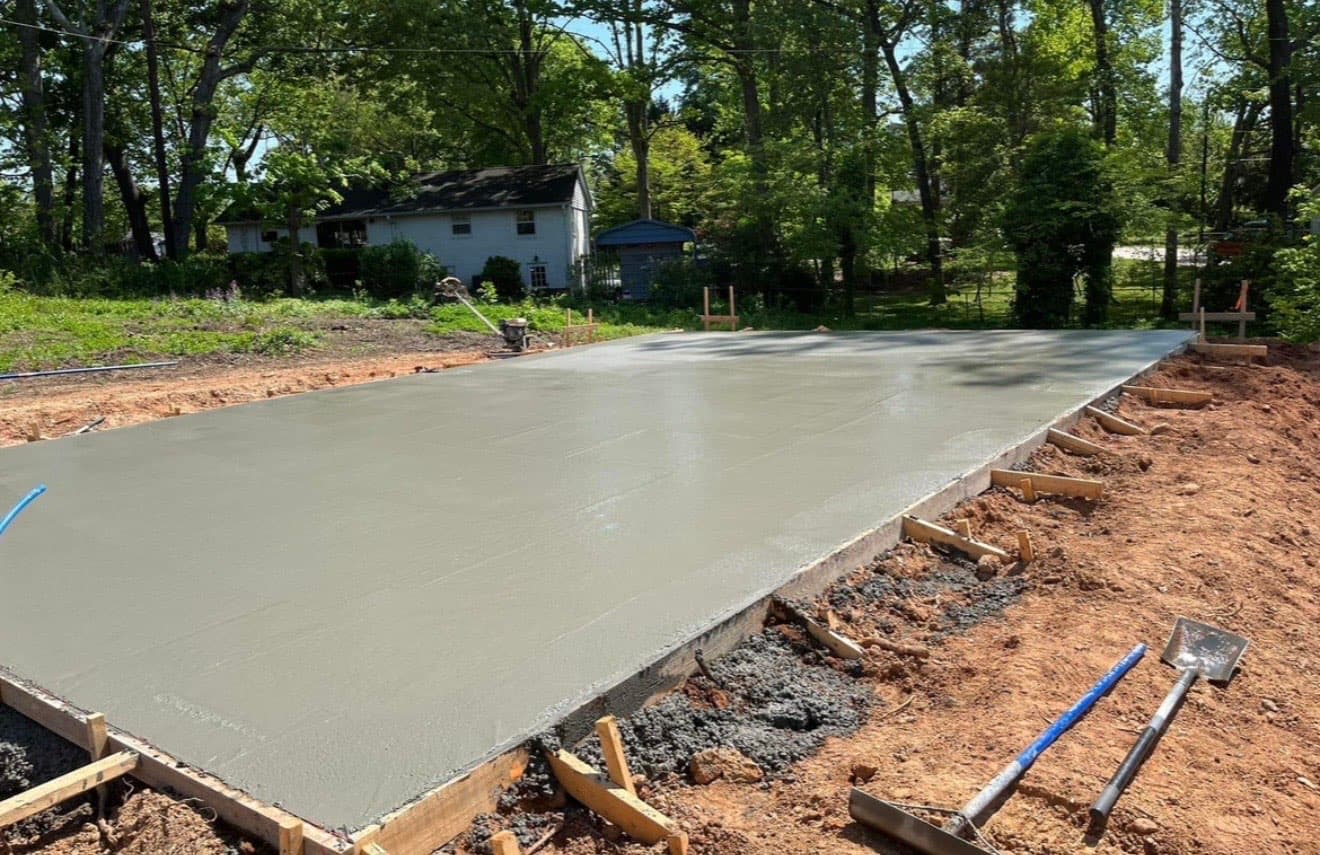
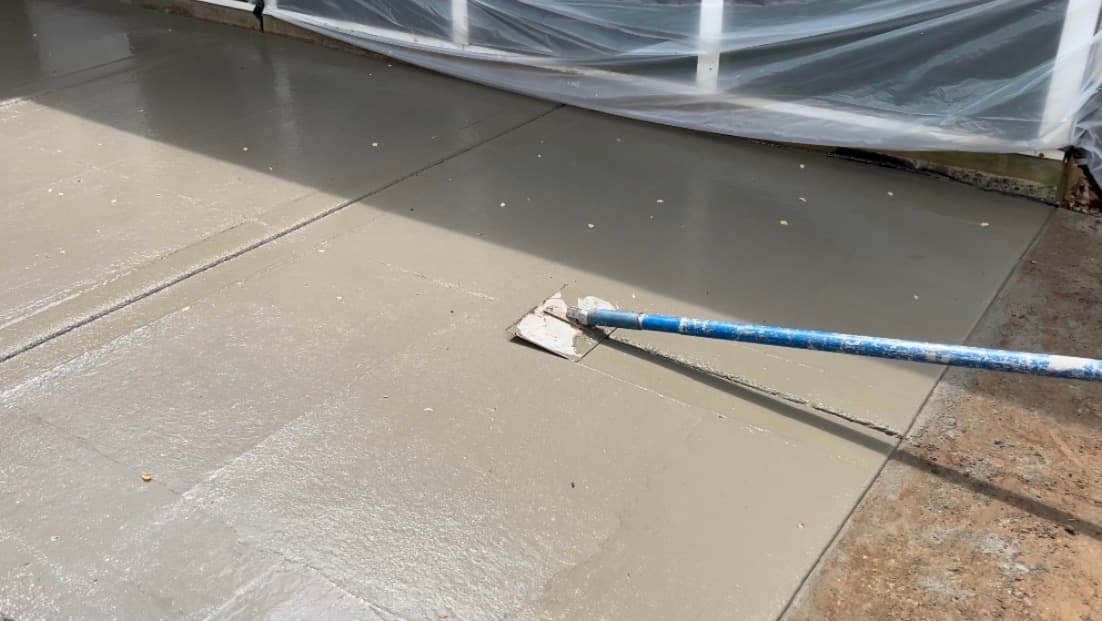
Bull Floating
Pushing aggregate down and bringing 'cream' to the surface for a smooth finishable layer.
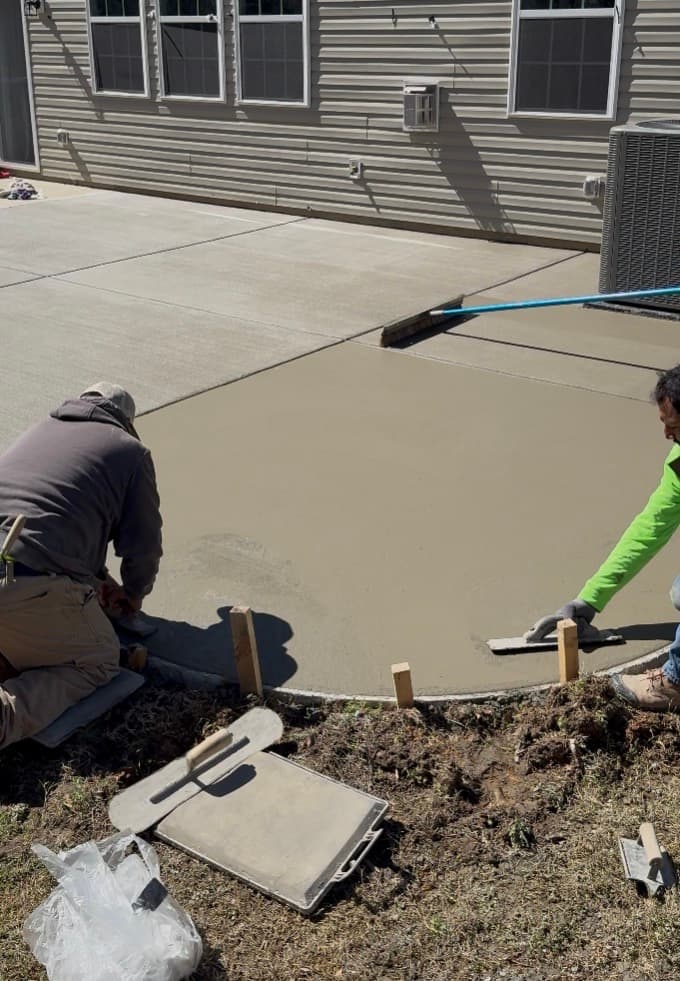
Edging & Jointing
Creating rounded edges for durability and cutting control joints to manage expansion.
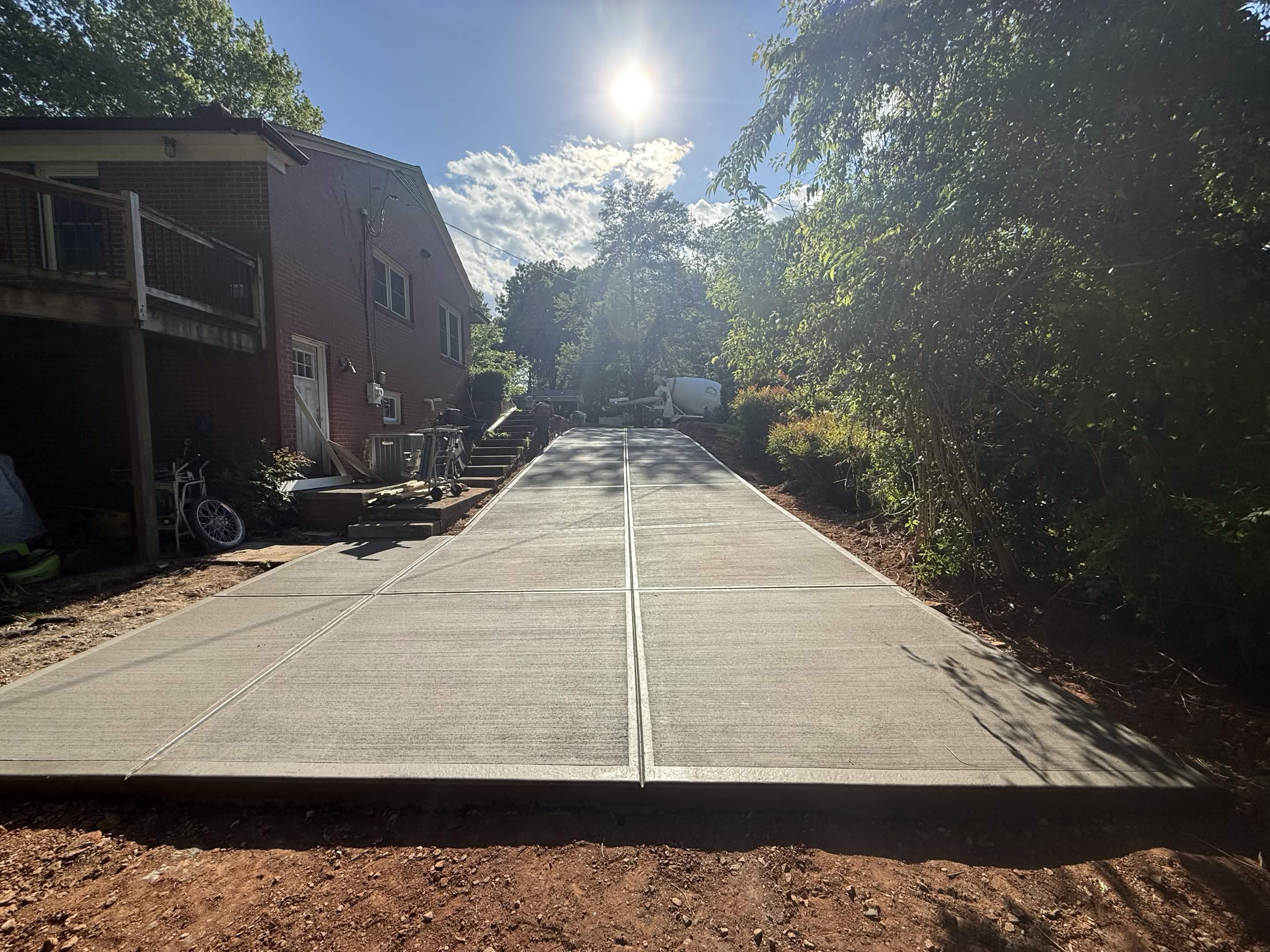
Fresno Finish
Final smoothing pass to close the surface pores and prepare for texturing.
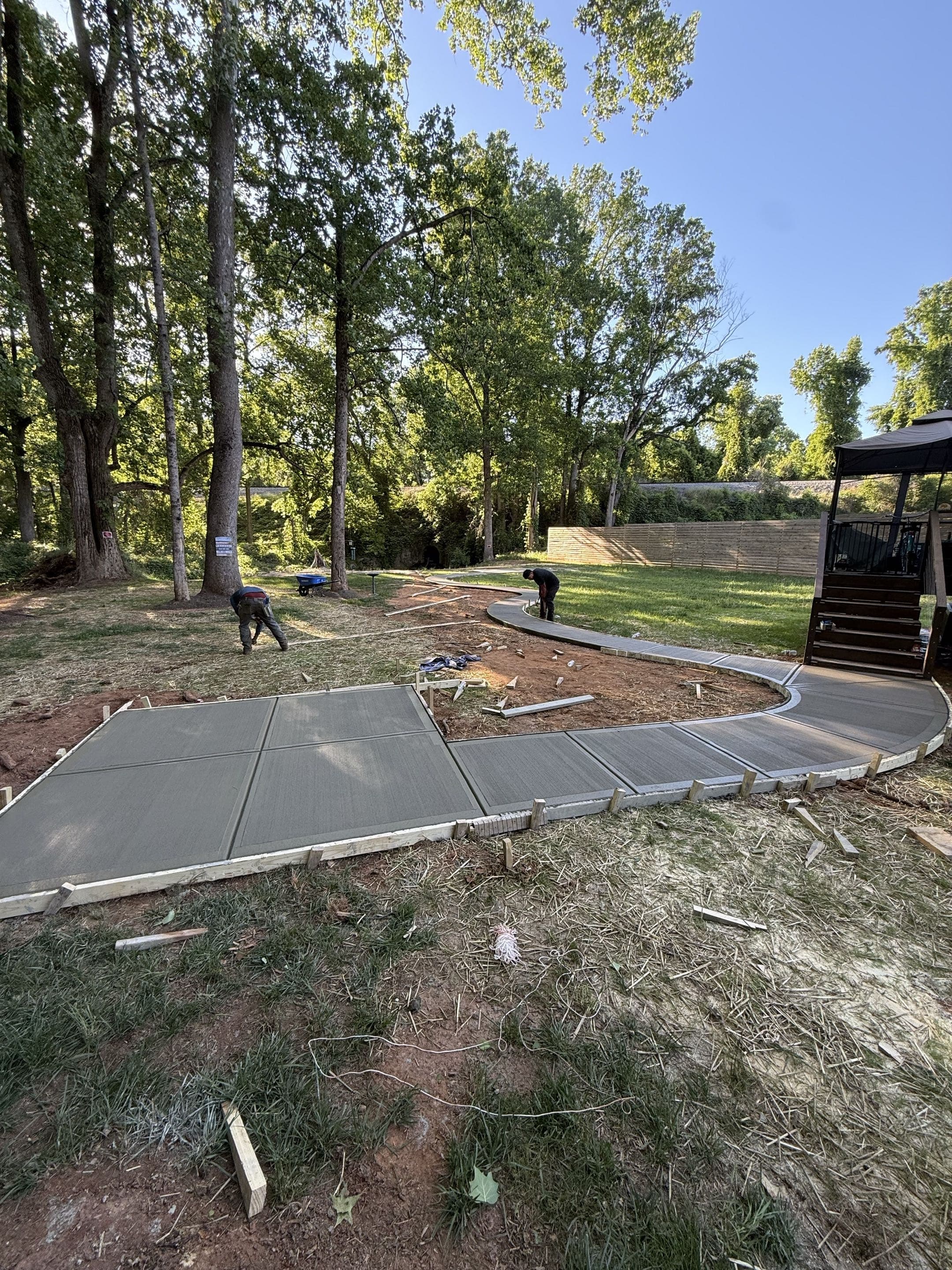
Decorative Detailing
Applying final broom texture, stamp patterns, or color treatments as specified for your project.
Form Removal
Careful stripping of forms once concrete has reached initial set stability.
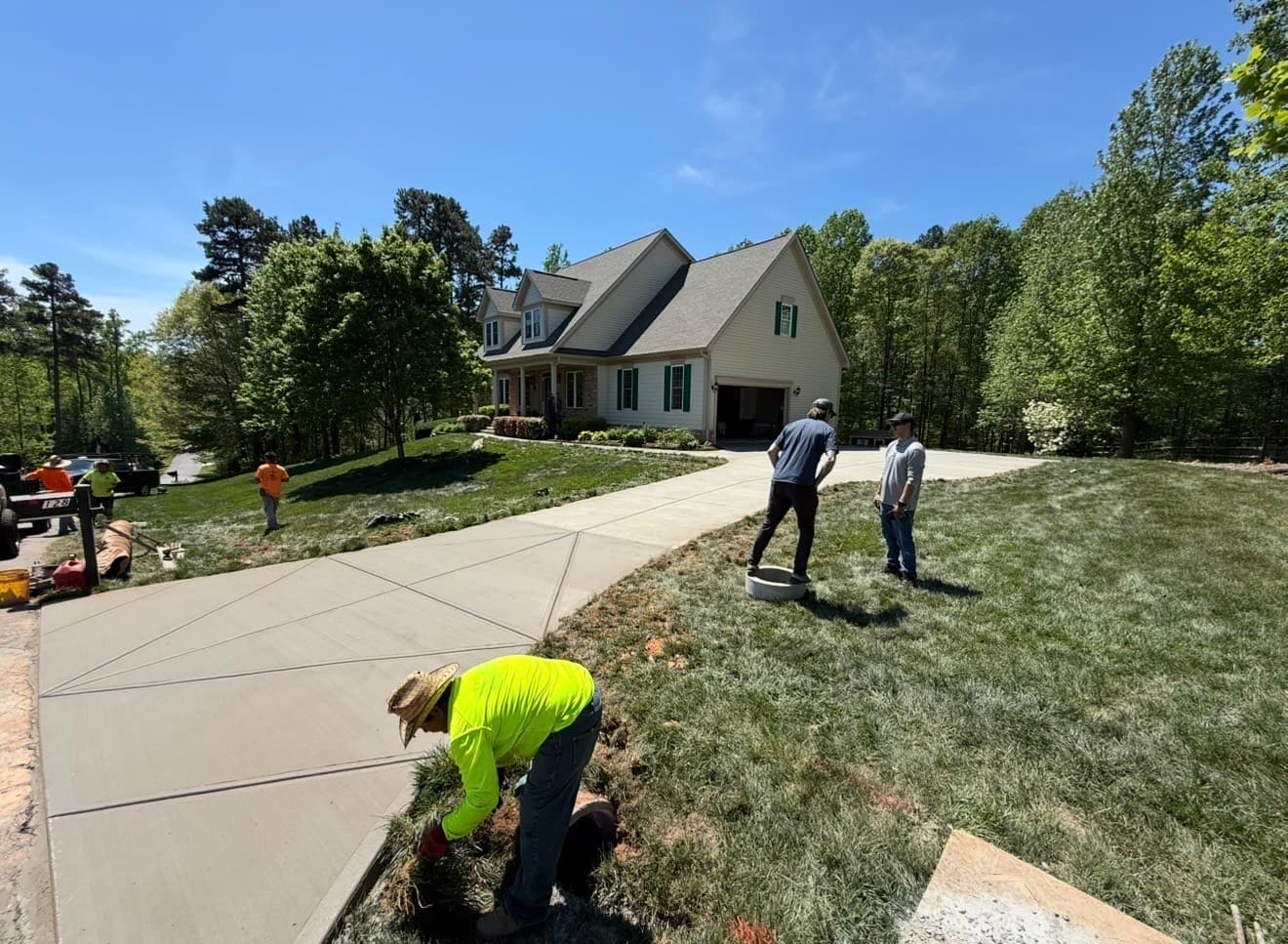
Final Walkthrough & Closeout Package
Reviewing the finished project with your ops manager, then delivering the closeout package (photos, lien releases, W-9, additional-insured cert) for your files.

Usage Guide
Providing clear instructions on cure times — when you can walk, drive, and park on your new concrete.
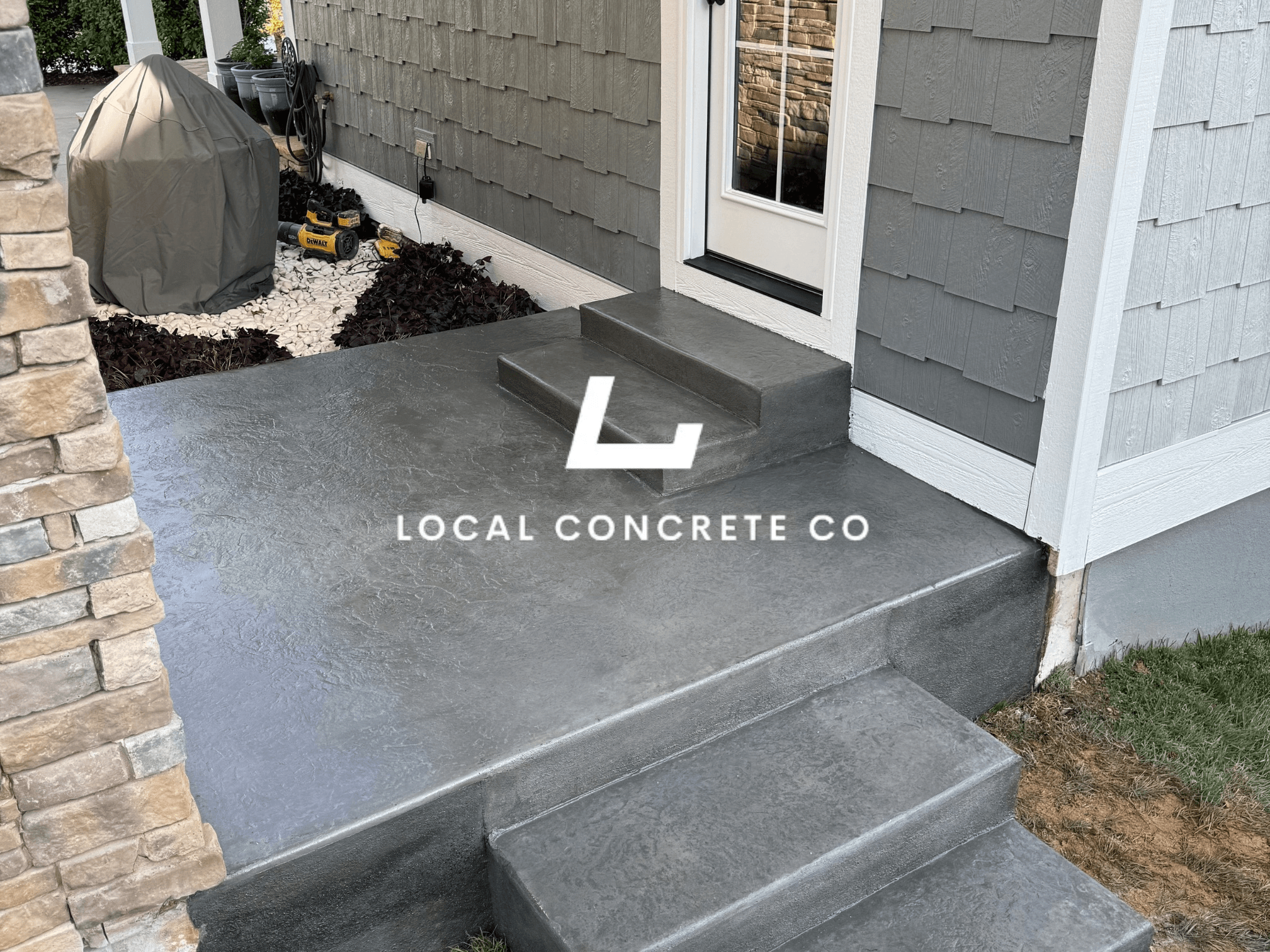
Project Completion
The job is done right, ensuring you have a durable surface for years to come.
Cut Lines, Dowels, and Tie-In
The mechanical detail on a spot replacement is what determines whether the new panel behaves like part of the slab or like a separate piece surrounded by concrete. A ragged break with no tie-in leaves the two pieces free to move independently, and the joint opens, chips, and eventually fails again.
- Full-depth saw-cut lines on the removal boundary, not ragged breakouts—the new pour meets a clean vertical face
- Cut lines placed at control joints or panel boundaries when possible, so the new panel sits inside its own joint layout instead of splitting an existing panel
- Dowel bars drilled and epoxied into the adjacent slab at the cut lines, tying the new pour to the remaining concrete for load transfer
- Isolation joint at any contact with a building foundation, garage slab, or dissimilar concrete
- Base repair before the new pour—whatever caused the original failure (undermined base, tree root, saturated subgrade) gets addressed, not just covered over
- Matched thickness with the adjacent slab so the transition doesn't create a stress riser
- Joint layout on the new panel that continues the existing joint pattern where the panel is large enough to need internal joints
That mechanical detail is what makes a spot replacement genuinely a repair, not a delay tactic. Done right, the new panel outlives the surrounding slab.
Color Matching and Realistic Expectations
The single most common surprise on spot replacement is color. New concrete does not match weathered adjacent concrete, and it never will exactly. This is worth understanding before the pour so nobody's disappointed after the cure.
- Fresh concrete is bright grey and slightly lighter than surrounding weathered pavement for the first several months
- The new pour gradually weathers toward the color of the surrounding slab over one to two years, though it typically stays slightly lighter
- Concrete from different suppliers, different batches, or different seasons can vary slightly in tone even when specified identically
- Integral color, dye, or a light stain can bring a new pour closer to the surrounding surface if a closer match matters
- Broom-finish texture matches easily; matching a stamped or exposed-aggregate pattern is harder and sometimes not fully possible
- Sealing the new pour and the surrounding slab together evens out surface sheen and slightly narrows the color gap
On a driveway where the failed panel is the eyesore, replacing it usually improves the overall look even with a color offset. On a patio where the whole surface is on display, the color mismatch is more visible and worth weighing against a full replacement. That conversation is part of the site walk, not an after-the-fact revelation.
Curing rhythm on a small pour surrounded by existing traffic also matters. Foot traffic in 24 to 48 hours, vehicle traffic in five to seven days, full strength at 28 days—same as any pour, just with the added constraint of keeping people and vehicles off the new panel while the surrounding slab keeps working.
Why Homeowners Work With Us
Local Concrete Contractor runs residential and light commercial concrete work across the North Carolina Piedmont and coastal plain. The way we quote and invoice a small replacement is set up around one idea: the homeowner shouldn't be holding the risk.
What that looks like on your repair:
- Zero deposit—you pay after the panel is poured, finished, and walked with you, not before
- Free on-site quotes with the actual cut lines, removal scope, base repair, dowel plan, mix design, thickness, and cure schedule written down
- Honest read on whether spot replacement makes sense or whether the rest of the slab is close behind the failed panel
- Both options priced when both are reasonable—spot replacement and full replacement, so the comparison is clear
- Licensed and insured—proof of coverage available before we set the first form board
- No pressure sales, no timeshare tactics, no "the whole thing has to come out" upsell when the honest answer is one panel
- Straight answers on the cost drivers (cut length, removal complexity, base condition, dowel count, decorative treatment, color matching) so the number is transparent
- Same crew from saw-cut through final broom pass—the finisher on your panel is the finisher on the pours in the truck ahead of you
If you're comparing quotes, ask each contractor how they'll tie the new pour into the remaining slab, whether they're saw-cutting or breaking out, and what caused the original failure. Those three answers separate a repair that actually holds from one that fails again in five years.
Small Concrete Replacements
FAQ
Straight answers on small concrete replacements installation — thickness, base prep, cure time, deposit, and what it takes to make the slab last.
Get Free QuoteCan one panel of a driveway be replaced?
Yes. Single-panel driveway replacement is a routine repair when one section has cracked, heaved, or settled while the rest of the drive is still structurally sound. The failed panel is saw-cut on all sides, removed cleanly, and the new panel is poured with dowels drilled and epoxied into the adjacent slab so the two pieces transfer load together. Base repair before the pour addresses whatever caused the original failure. Done right, the new panel outlives the surrounding slab.
Will the new panel match the old concrete color?
How is the new panel tied to the existing slab?
When is spot replacement the wrong call?
How long before we can drive on the new panel?
Do you require a deposit up front?
Ready to talk about your project?
Free estimate. No pressure, no sales tactics. Zero deposit.
Get Free Quote